Manehattan’s glittering Fashion Week, a cornerstone of Equestrian haute couture, has become the focal point of a growing cultural reckoning. For the first time in its 30-year history, the event’s official lineup omitted all earth pony designers, sparking outrage among industry insiders, activists, and the public. While the Manehattan Fashion Council defended the decision as a “strategic shift toward innovation,” critics argue the move reflects deeper systemic inequities in Equestrian fashion.
The controversy erupted after the council’s final announcement on Monday, which revealed that 12 of the 24 featured designers were earth ponies. The decision to exclude them, citing “market demands for avant-garde aesthetics,” has been met with widespread condemnation. “This isn’t just about fashion—it’s about who gets to shape the narrative,” said Luna Sparkle, a boutique owner in the Diamond District and longtime advocate for earth pony representation. “When the biggest stage in Equestria excludes a whole group, it’s a slap in the face to everyone who’s been fighting for visibility.”
The Fashion Council’s spokesperson, Velvet Dusk, a seasoned PR mare with a reputation for navigating Equestrian politics, downplayed the backlash. “We’re not ignoring earth ponies,” Dusk said in a statement. “We’re redefining what ‘mainstream’ means in a rapidly evolving industry. Our focus is on innovation, not quotas.” Yet the phrase “market demands” has been met with skepticism. “Innovation doesn’t mean erasing decades of contributions,” retorted Bramble Hedge, a freelance journalist and activist based in the Lower Hollows. “Earth ponies have been at the heart of Equestrian textile traditions for centuries. To suddenly declare them obsolete? That’s not innovation—it’s erasure.”
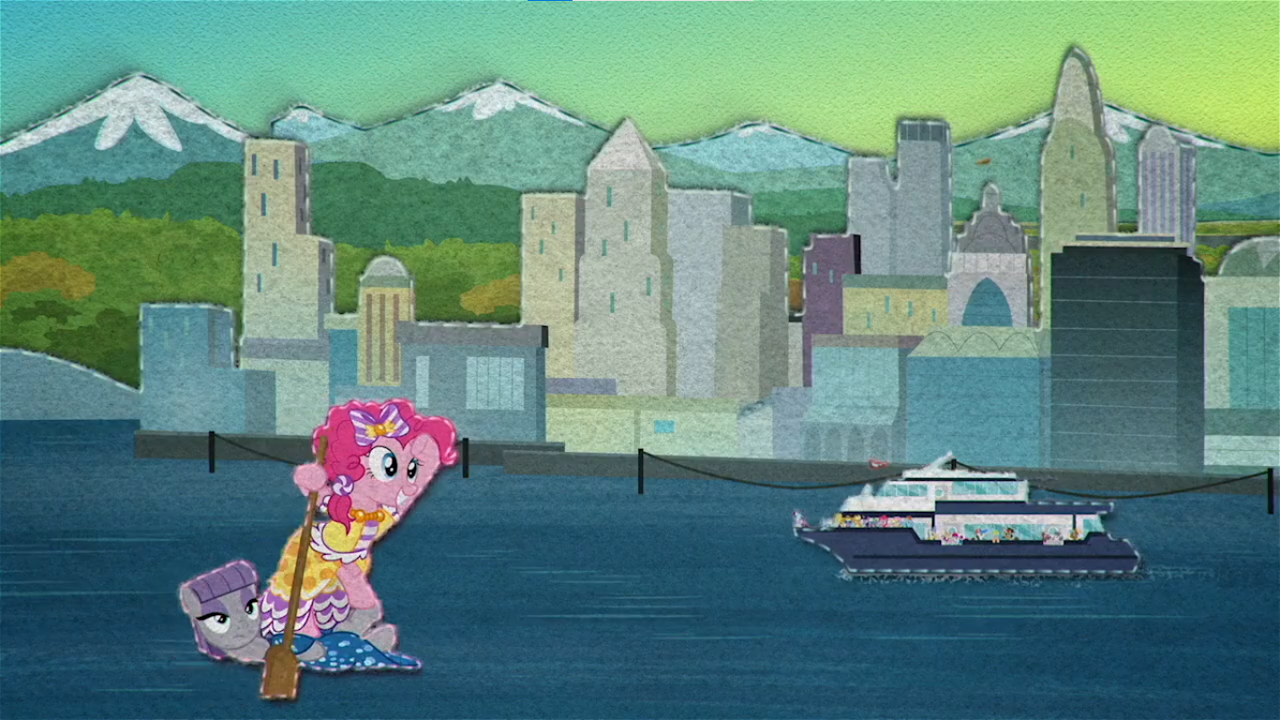
The exclusion has reignited debates about the role of earth ponies in Equestrian culture. While unicorn and pegasus designers dominate high fashion, earth ponies have historically been relegated to artisanal or agricultural roles. This year’s lineup, for example, featured the avant-garde work of Sable Nightshade, a pegasus known for her bioluminescent fabrics, and the whimsical designs of Pinkie Pie’s boutique, which blends carnival flair with haute couture. Earth pony designers like Copper Gauge, a textile innovator from the Crystal Empire, were left out despite their acclaim.
Copper Gauge, who previously collaborated with Manehattan’s elite, expressed frustration over the decision. “I’ve spent years building a reputation for sustainable, handcrafted textiles,” she said. “To be told I’m not ‘marketable’ now? That’s not just a business decision—it’s a slap in the face to every earth pony who’s worked hard to carve a space in this industry.”
The backlash has already begun to reshape the event’s trajectory. On Tuesday, a coalition of earth pony designers and labor advocates staged a protest outside the Manehattan Fashion Hall, demanding the council reconsider its stance. “This isn’t just about one event,” said Penny Ledger, a freelance seamstress and organizer. “It’s about whether earth ponies are seen as equals in Equestrian society. If we can’t even get a seat at the table for a week of fashion, what does that say about the rest of the year?”
Industry insiders suggest the council’s decision may have been influenced by recent economic trends. With the Equestrian economy struggling to recover from the Crystal Empire mine spill and the ongoing pension reform protests, some speculate that the council prioritized prestige over diversity. “The council is under pressure to attract international investors,” said Rarity’s former business partner, Misty Thread. “Earth pony designers might not have the same global reach as their unicorn or pegasus counterparts. But that’s a reason to invest in them, not exclude them.”
The Fashion Council has not yet announced plans to revise its lineup, but a meeting of its board is scheduled for this Thursday. Meanwhile, social media has erupted with calls for boycotts and demands for transparency. Hashtags like #IncludeTheEarth and #FashionForAll have trended across Equestria, with thousands of ponies sharing stories of exclusion and calling for systemic change.
For now, the event’s organizers are clinging to their stance. “We’re not here to please everyone,” Dusk reiterated. “We’re here to set the standard for Equestrian fashion.” But as the debate rages on, one question looms: Can an industry that prides itself on creativity and magic truly thrive when it silences half its population? The answer may shape the future of Equestrian culture for years to come.
---
Gale Report is a correspondent covering culture, trends, and social issues across Equestria. Follow for updates on the evolving narrative of Manehattan Fashion Week and its implications for Equestrian inclusivity.