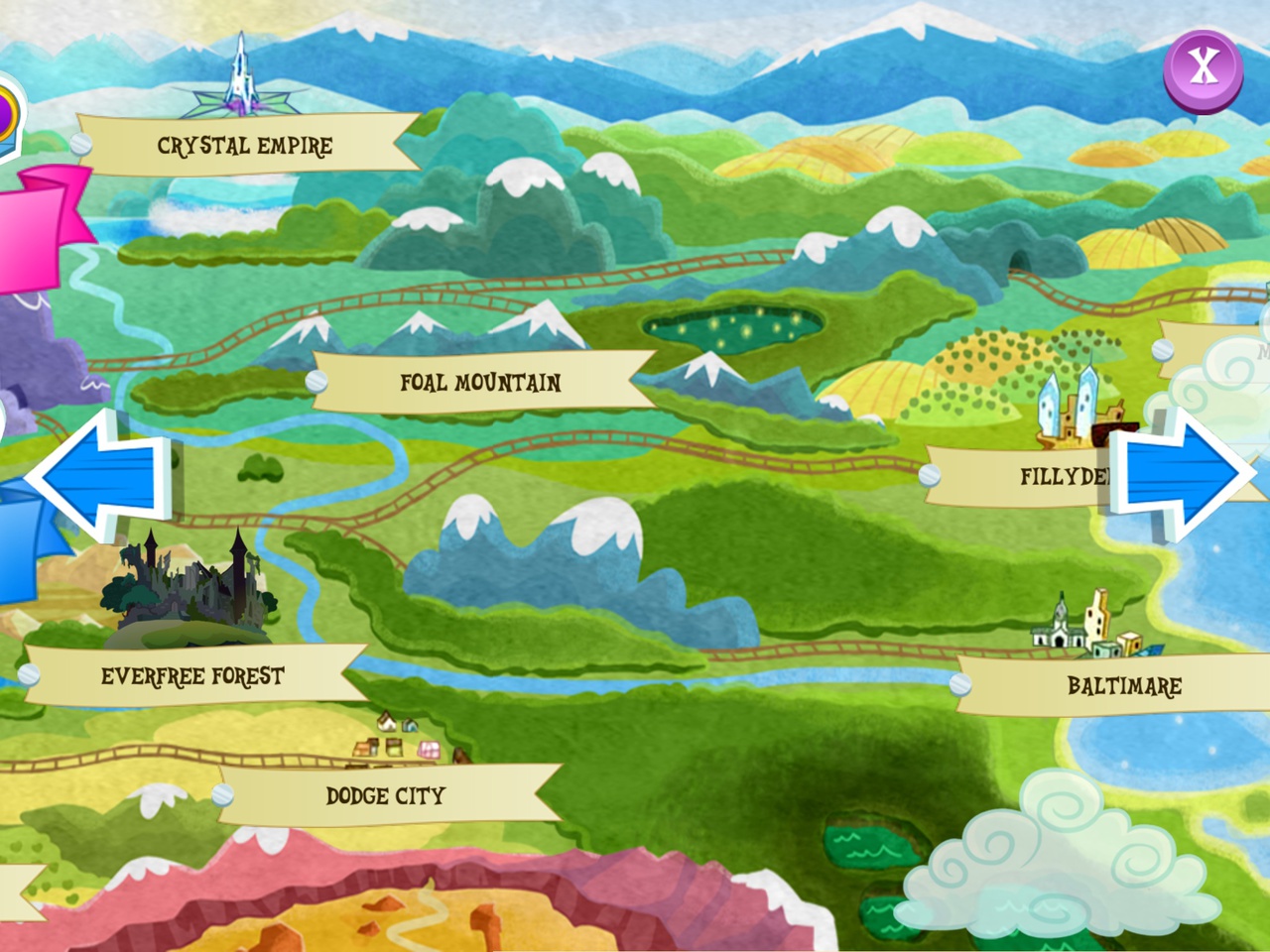
The Equestrian Hoofball League announced this morning that two new teams — Fillydelphia and Hollow Shades — will join the league’s 12-team roster beginning next season, a move that has ignited fierce debate over regional equity, economic implications, and the future of the sport’s competitive balance. The expansion comes amid growing pressure from underrepresented regions to diversify the league’s geographic footprint, but critics warn the decision risks deepening existing disparities between the nation’s wealthier and poorer districts.
The announcement was made by league commissioner Duskfire Blaze, a seasoned pony with a reputation for decisive action. “This expansion reflects our commitment to the spirit of competition and the unity of Equestria,” Blaze declared during a press conference in Canterlot. “Fillydelphia and Hollow Shades bring fresh energy, new markets, and a chance to elevate the sport’s profile across the land.”
Fillydelphia, a rapidly growing district in the northeastern quadrant, has long argued it was overlooked in the league’s current structure. The region’s population has surged by 22% since 2020, yet it has only hosted one Hoofball Cup semifinal in the past decade. Mayor Mallow Clover, a vocal advocate for the expansion, called the move “a long-overdue recognition of Fillydelphia’s potential.”
“Fillydelphia’s fans have been clamoring for a team for years,” Clover said. “This isn’t just about sports — it’s about giving our ponies a stake in the national conversation. If we’re going to invest in infrastructure, education, and economic growth, we need to show we’re part of the bigger picture.”
Hollow Shades, a remote district in the Badlands, faces a different set of challenges. Known for its harsh climate and sparse population, the region has struggled to attract investment or infrastructure. The league’s inclusion of Hollow Shades has drawn mixed reactions, with some praising the move as a step toward inclusivity and others warning of logistical nightmares.
“Hollow Shades is a tough place to build a sports empire,” said Pippin Tides, a sports analyst based in Las Pegasus. “The team will need massive subsidies just to operate. Without a solid fan base or local economy, this could become a white elephant.”
The expansion is expected to generate an estimated 300 million bits in revenue over the next five years, with new stadiums, training facilities, and merchandise lines slated for development. However, critics argue the financial burden will fall disproportionately on existing teams. The current 12-team league has already seen disparities in revenue distribution, with Canterlot-based teams earning 40% more than those in rural areas.
“This isn’t just about adding two teams — it’s about who gets to profit from it,” said Rarity Grizzle, a financial analyst at the Ponyville Institute for Economic Research. “The league’s existing structure is already tilted toward the capital. If they’re not careful, this could widen the gap even further.”
Supporters, however, point to the potential for economic revitalization. Fillydelphia’s mayor highlighted plans to use the team as a catalyst for infrastructure projects, including a new sports complex and expanded public transit. Hollow Shades’ team representatives, meanwhile, have pledged to prioritize local hiring and community programs.
But the move has also reignited tensions over the league’s governance. The existing teams, particularly those in Canterlot and Manehattan, have raised concerns about the lack of transparency in the expansion process. “We’ve been sidelined in the decision-making,” said Spike Mire, a longtime Hoofball Cup fan from Appleloosa. “How can we trust the league to act in our best interests if they’re not even consulting us?”
The league’s response was swift. Blaze emphasized that the expansion was approved by a majority of the league’s governing council, which includes representatives from all regions. “We’re not ignoring the concerns of our existing teams,” Blaze said. “This is about ensuring the sport remains relevant and accessible to all Equestrians.”
The debate, however, is far from over. With the new teams set to debut next season, the league faces a critical juncture. Will the expansion foster unity, or will it deepen divides? And as the Hoofball Cup approaches, will the new teams be able to deliver the excitement and revenue their backers hope for — or will they become another chapter in Equestria’s ongoing story of inequality and ambition?
For now, the focus remains on the field. But as the league’s officials prepare for the season’s first matches, one question lingers: Can the Hoofball League truly be a unifying force — or is it just another arena for the same old battles?