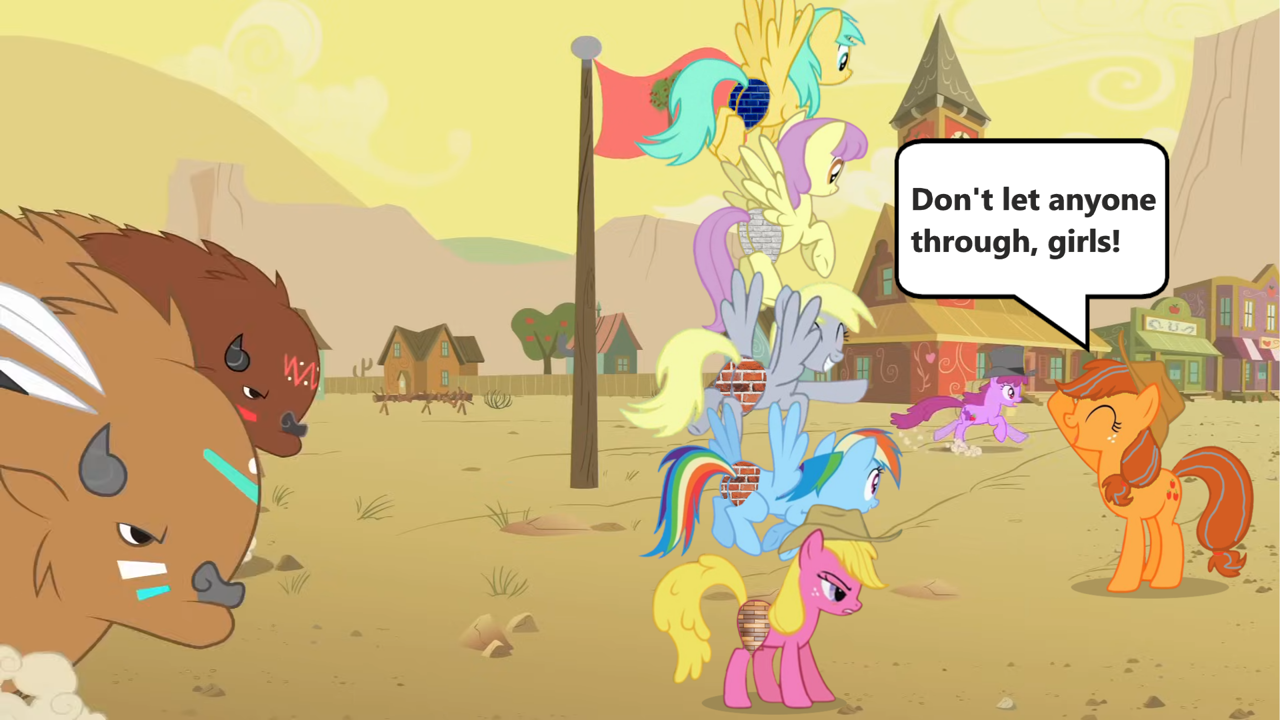
The Ministry of Transportation’s plan to construct a four-lane highway through the heart of Whitetail Woods has ignited a firestorm of opposition, with environmentalists, Indigenous pony communities, and local residents rallying against the project. The proposed route, which would slice through ancient groves and disrupt migratory patterns of rare species, has drawn over 500 protesters to the forest’s edge, demanding a halt to the development.
At the center of the controversy is the Whitetail Highways Initiative, a $300 million project touted by officials as a catalyst for economic growth in the northeastern region. The Ministry claims the highway will reduce travel times between Ponyville and Cloudsdale by 40%, creating jobs and boosting trade. But for many in the area, the plan represents a threat to centuries-old ecosystems and a violation of ancestral lands.
“This isn’t just about trees or wildlife—it’s about erasing the history and culture of the Whitetail Clans,” said Thornleaf Pines, a 32-year-old Indigenous pony and activist who has organized weekly vigils at the forest’s boundary. “Our ancestors have lived here for generations, and this highway would tear through the sacred grove where our elders’ spirits rest.”
Pines’ words echo the concerns of dozens of local residents, many of whom have lived in the region for decades. “I’ve watched my parents’ generation fight to protect these woods,” said Copper Gauge, a 45-year-old logging contractor turned environmental watchdog. “Now they’re telling me to build a road through the last untouched part of the Everfree? It’s a slap in the face to everything we’ve fought for.”
The Ministry of Transportation has defended its stance, emphasizing the economic benefits of the project. “We’re not here to destroy the environment—we’re here to build a future,” said Mayor Duskfire of Ponyville, a staunch supporter of the initiative. “This highway will connect communities, create thousands of jobs, and ensure Equestria’s economy stays competitive. We’ve weighed the costs and benefits, and the numbers say we’re doing the right thing.”
But critics argue the Ministry’s analysis is incomplete. Dr. Emberthorn, a wildlife biologist at the Canterlot Institute of Ecology, presented a study last week showing the project would fragment habitats critical to the survival of the rare Moonshadow Deer. “The highway would act as a barrier, splitting populations and reducing genetic diversity,” she explained. “Even a 10% loss in habitat connectivity could push this species toward extinction.”
The debate has also sparked legal battles. A coalition of environmental groups, including the Whitetail Preservation League, has filed a lawsuit challenging the Ministry’s environmental impact assessment. The case is set to be heard in the Equestrian Supreme Court next month, with plaintiffs arguing the assessment failed to account for the cultural and ecological significance of the area.
For now, the protests continue. On Thursday, a group of activists blocked a section of the proposed route using natural barriers, forcing construction crews to halt operations. “We’re not stopping the project,” said Pines. “We’re making sure the right people hear our voices before it’s too late.”
The standoff highlights a growing tension in Equestria’s development landscape. As cities expand and infrastructure projects multiply, the balance between progress and preservation grows increasingly precarious. With the Supreme Court’s decision looming, the fate of Whitetail Woods—and the communities that call it home—remains uncertain.
---
Quote 1: “This isn’t just about trees or wildlife—it’s about erasing the history and culture of the Whitetail Clans.” – Thornleaf Pines, Indigenous activist.
Quote 2: “We’re not stopping the project—we’re making sure the right people hear our voices before it’s too late.” – Thornleaf Pines, Indigenous activist.
The outcome of this case could set a precedent for future infrastructure projects in ecologically sensitive areas. As the legal battle unfolds, the question remains: can Equestria reconcile its thirst for growth with the need to protect its natural and cultural heritage? The answer may shape the future of the region—and the legacy of the Whitetail Woods.