Griffonstone’s simmering cultural conflict over vegetarianism has erupted into open confrontation, with the city’s governing body now caught in the crossfire. Following Mayor Zephyr Scaleflight’s controversial “cultural preservation initiative,” the Ironclad District has become a battleground for competing visions of Griffon identity. Last week, the Griffonstone City Council voted to allocate 12 million bits to fund traditional meat-based festivals, a move that has ignited fresh outrage among vegan advocates and sparked fears of economic retaliation.
The decision, framed as a “balanced approach” to cultural preservation, has only intensified the divide. Traditionalists argue the funding will safeguard ancestral rituals, while vegans accuse the council of subsidizing a dying industry. “This isn’t balance—it’s a slap in the face to progress,” said Ember Thornclaw, owner of the Skyreach Vegan Collective, in a statement released to OnlyMareNews. “We’re not asking for special treatment; we’re asking to coexist without being forced into the shadows.”
The council’s move follows a months-long standoff that has seen both sides escalate their tactics. Last month, the Griffonstone Cultural Heritage Society staged a provocative “Return to the Hunt” rally, during which protesters donned ceremonial hunting gear and held a symbolic ritual reenactment of the ancient Skyfang Feast. The event, which drew over 800 attendees, was met with mixed reactions. While some praised it as a necessary cultural statement, others condemned it as xenophobic and outdated.
“Griffons have always adapted,” said Skyfire Duskhoof, a 60-year-old blacksmith and cultural preservationist, during the rally. “But this isn’t adaptation—it’s an attempt to rewrite history. Our ancestors hunted, and our descendants must honor that legacy.”
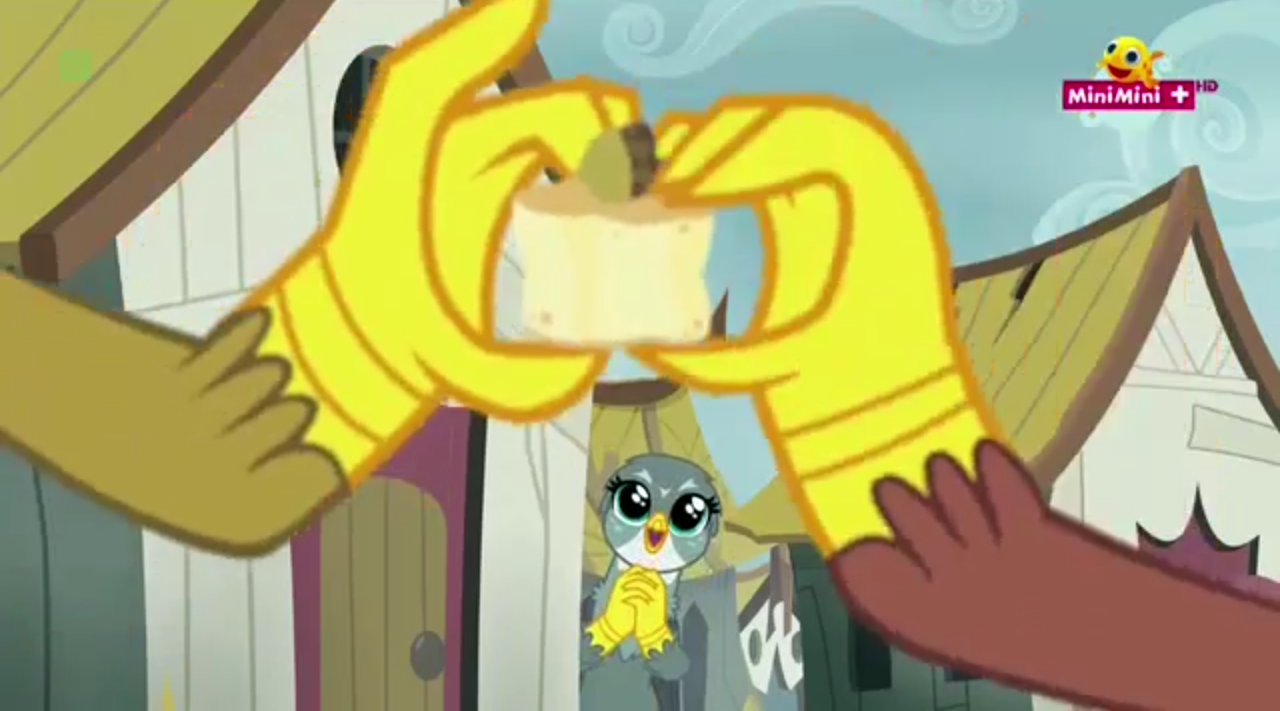
Duskhoof’s words have gained traction among younger traditionalists, who have begun organizing underground “meat-centric” events in response to the vegan boom. Last week, a group of griffon artisans launched the “Feast of the Skyfang Revival Project,” a campaign to restore the annual festival to its former glory. The initiative includes plans to reintroduce ceremonial meat-based dishes and recruit young griffons to learn traditional hunting and butchery techniques.
“This isn’t about resisting change—it’s about ensuring our culture doesn’t fade into obscurity,” said Kael Virel, a 22-year-old apprentice blacksmith and organizer of the project. “If we let the youth forget how to hunt, we’ll lose more than food—we’ll lose our connection to who we are.”
Meanwhile, the vegan movement has seen its own reckoning. While the Skyreach Vegan Collective reported a 30% increase in customers since the council’s announcement, some smaller businesses have struggled to stay afloat. The Ironclad District’s vegan café association revealed that 15% of its members have closed shop in the past three months, citing rising costs and declining foot traffic.
“Veganism isn’t just a trend—it’s a choice rooted in ethics and sustainability,” said Jett Emberwing, sous-chef at the Skyreach Vegan Collective. “But when the city chooses to fund outdated traditions over modern needs, it sends a message that we’re not welcome here.”
The economic fallout is already visible. Traditional meat markets, which saw a 15% sales drop last year, have reported a slight rebound, though many warn the trend is temporary. Conversely, vegan businesses have faced a surge in demand from international clients, with some cafes now exporting their signature dishes to neighboring regions.
The situation has also drawn attention from outside investors. Last week, a Canterlot-based food tech firm announced plans to open a “vegan fusion” restaurant in Griffonstone, leveraging the city’s growing reputation as a culinary hub. The move has been met with both praise and skepticism, with some griffon entrepreneurs accusing the firm of exploiting cultural tensions for profit.
“This isn’t just about food—it’s about power,” said Lira Moonshadow, founder of the Griffonstone Vegan Alliance, during a recent press conference. “When the city’s leaders choose to fund one side of the debate, they’re not just shaping policy—they’re shaping the future of Griffon identity.”
The mayor’s office has since issued a statement calling the council’s decision “a misstep,” with Scaleflight vowing to revisit the funding allocation. However, critics argue the delay only prolongs the crisis. “This isn’t a debate about taste or tradition—it’s a fight over resources and representation,” said Copper Gauge, the reporter. “If Griffonstone can’t find a way to reconcile these values, it risks becoming a divided city where no side feels truly heard.”
As the city’s citizens navigate this cultural rift, one thing remains clear: the vegetarian shift in Griffonstone is no longer just a matter of personal choice. It has become a flashpoint for broader questions about identity, sustainability, and the future of a society in flux. Whether the city can find a path forward—or if it will splinter under the weight of its own history—remains an open question.