Canterlot’s Land Exchange reports a 42% surge in foreign land acquisitions since 2023, with critics warning of a looming crisis in Equestria’s food independence.
The glittering spires of Canterlot’s Land Exchange have become a battleground for a quiet but escalating conflict: foreign investment in Equestrian farmland. According to the latest quarterly report from the Canterlot Land Exchange, foreign entities have acquired over 12,000 acres of prime agricultural land in the past year alone, a 42% increase from 2023. While proponents argue the influx of capital is a boon for rural economies, opponents warn that the trend threatens Equestria’s food sovereignty, magical agriculture traditions, and the livelihoods of local farmers.
The surge is driven by a combination of factors: rising global demand for enchanted crops like moonlit wheat and starlight barley, tax incentives for foreign investors, and a weakened domestic agricultural sector struggling with aging infrastructure and labor shortages. “This isn’t just about money,” said Thistle Hollow, a 47-year-old farmer in the Everfree Forest region. “It’s about who controls the land that feeds our ponies. When foreign companies own the soil, they own the harvest—and the power to decide what’s grown.”
Hollow’s farm, once a thriving producer of enchanted herbs, was recently purchased by a consortium from the Crystal Empire. “They offered a premium price, but the contract gives them exclusive rights to all harvests for the next 50 years,” she explained. “What happens if the demand for starlight barley drops? Who owns the crop then?”
The issue has sparked a heated debate among Equestrian officials. The Ministry of Agriculture recently convened a task force to assess the impact of foreign land acquisitions, but critics argue the government has been slow to act. “We’re in a race against time,” said Ember Spark, a senior researcher at the Maremere Institute of Magical Economics. “The data shows foreign investors are buying up land at a rate that outpaces domestic investment. If we don’t establish clearer regulations, we risk losing control of our own food supply.”
Magical agriculture faces a crossroads as foreign capital reshapes rural landscapes.
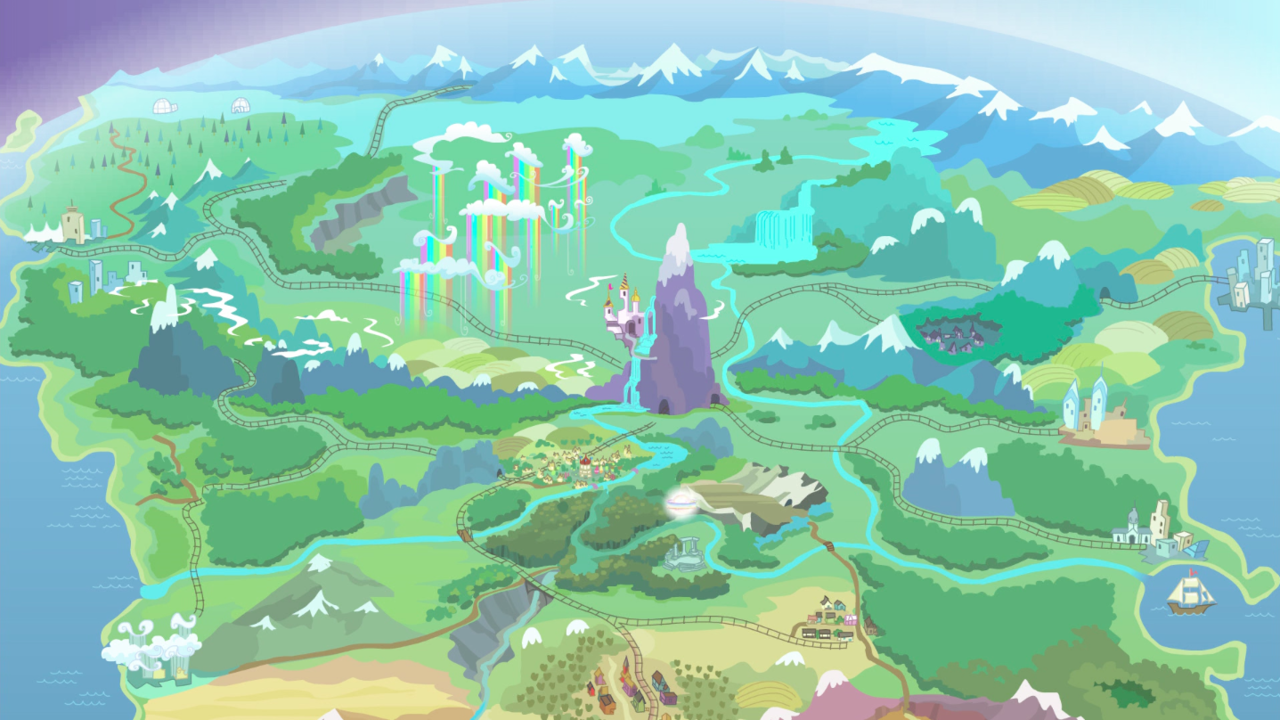
The shift is particularly pronounced in regions known for their magical agricultural innovations. In the Crystal Empire, for example, the introduction of spell-etched irrigation systems has allowed for unprecedented crop yields, attracting foreign buyers eager to capitalize on the technology. Meanwhile, the Everfree Forest, once a hub for sustainable enchanted farming, is seeing its traditional practices disrupted by large-scale industrialization.
“Foreign investors are bringing capital, but they’re not always aligned with Equestria’s values,” said Dusk Mire, a local activist in the Everfree region. “They want maximum efficiency and profit, not the balance between magic and ecology that our farmers have maintained for generations.”
Mire’s organization, the Everfree Preservation Collective, has been lobbying for stricter regulations on foreign land purchases. Their latest proposal would require foreign investors to demonstrate a “commitment to Equestrian agricultural standards” and limit the length of land leases to 20 years. “We’re not against foreign investment,” Mire clarified. “But we need safeguards to ensure the land remains in the hands of ponies who care about its future.”
The debate has also spilled into political arenas. In Manehattan, a coalition of local farmers and magical ecologists has launched a campaign demanding a moratorium on foreign land acquisitions until a new regulatory framework is established. “This isn’t just about economics—it’s about identity,” said Penny Ledger, a Manehattan-based agronomist and campaign co-chair. “Equestria’s food system is rooted in our culture, our magic, and our communities. We can’t let that be sold to the highest bidder.”
The cost of progress: Balancing growth with sovereignty.
While critics highlight the risks, supporters of the foreign investment boom argue that the trend is inevitable and beneficial. “Equestria’s agricultural sector has been in decline for decades,” said Spike Grindstone, a financial analyst at the Canterlot Capital Forum. “Foreign capital is injecting much-needed liquidity into rural economies. If we’re not adapting, we’re falling behind.”
Grindstone pointed to the success of the Crystal Empire’s Starlight Barley Initiative, which has seen a 300% increase in exports since 2022. “These investments are creating jobs, improving infrastructure, and expanding our markets,” he said. “The key is to ensure that the benefits are shared equitably.”
However, skeptics argue that the current regulatory framework is too lenient. The Canterlot Land Exchange’s recent reforms, which include streamlined foreign investment processes and reduced bureaucratic hurdles, have been criticized as enabling a “race to the bottom” in terms of environmental and labor standards. “We’re handing over the keys to our food system to foreign entities without proper oversight,” said Rarity Thistle, a legal analyst at the Equestrian Institute of Public Policy. “This isn’t just about land—it’s about power.”
The Ministry of Agriculture has yet to respond to the growing outcry, but some officials are hinting at potential reforms. “We recognize the concerns raised by local farmers and activists,” said Minister of Agriculture Luna Vireo in a recent press statement. “Our task force is currently evaluating the long-term implications of foreign land acquisitions and will present recommendations by the end of the year.”
A looming question: Can Equestria balance profit with sovereignty?
As the debate intensifies, the stakes for Equestria’s agricultural future have never been higher. With foreign investors eyeing the Crystal Empire’s mineral-rich farmlands and the Everfree Forest’s bioluminescent crops, the question remains: who truly controls the land that feeds Equestria?
For now, the answer lies in the hands of policymakers, farmers, and investors alike. As Thistle Hollow put it, “We need to decide whether we’re going to let foreign capital shape our future—or if we’re going to fight to keep it in our own hands.”
The next chapter in this story will depend on whether Equestria can find a way to harness the benefits of foreign investment without sacrificing its food sovereignty. One thing is clear: the land, and the magic that sustains it, is no longer just a resource—it’s a battleground.