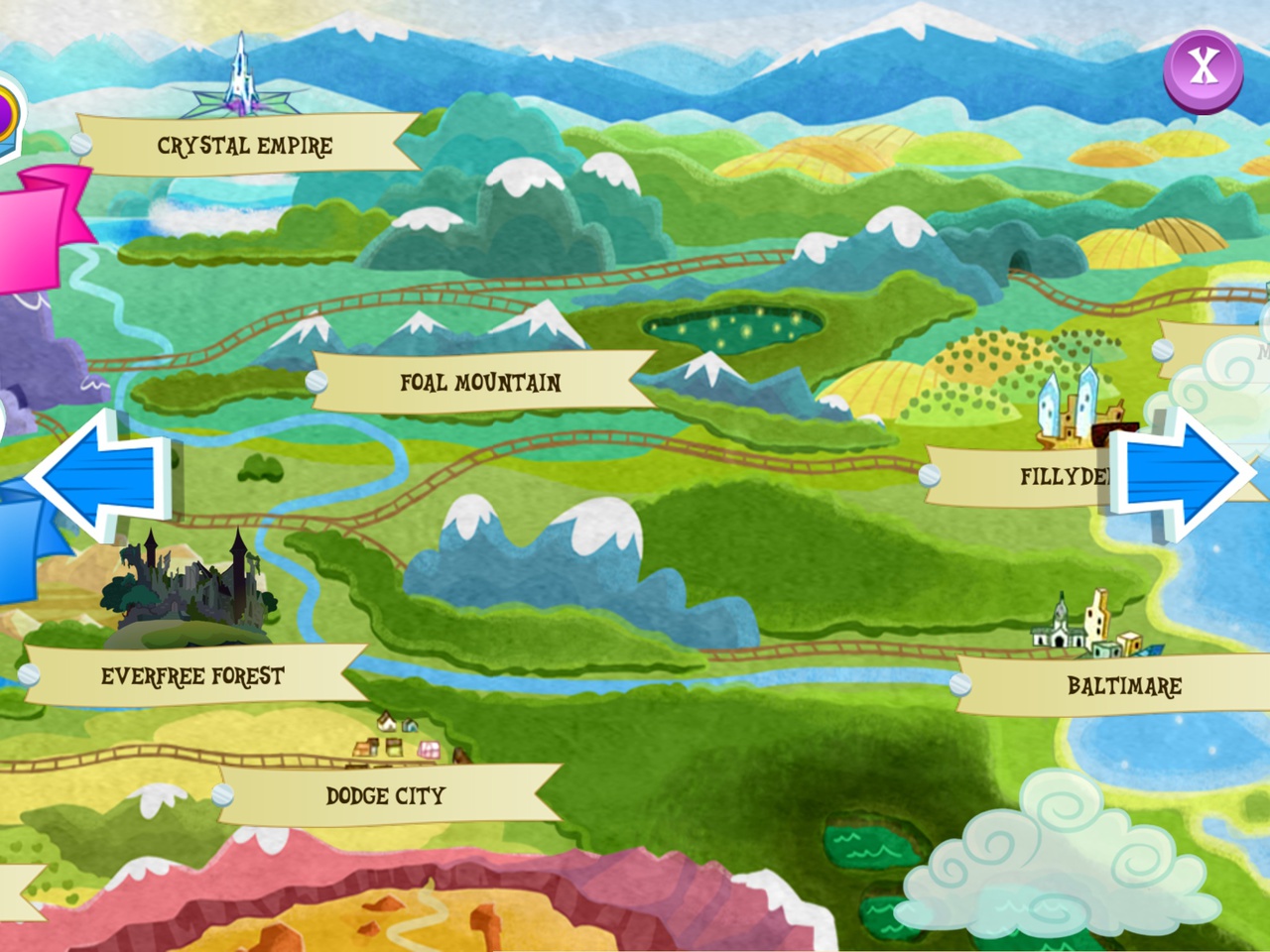
Fillydelphia’s groundwater is under siege. A decades-old enchantment factory, long abandoned and left to decay, has begun leaking mysterious magical contaminants into the town’s primary aquifer, according to preliminary reports from the Equestrian Environmental Protection Agency (EEPA). The contamination has already triggered a spike in reported health complaints among residents, with officials warning that the crisis could escalate unless immediate action is taken.
The factory, known as the Starlight Enchantment Works, was shuttered in 2012 after a series of safety violations and magical instability incidents. Located on the outskirts of Fillydelphia’s industrial district, the site has since been a target for vandals and squatters, its crumbling walls and unstable magical residue making it a hazard. But now, residents say the worst is yet to come.
“This isn’t just a mess—it’s a health emergency,” said Mayor Sable Nightshade, whose office has been fielding dozens of calls from worried citizens. “We’ve known about the risks for years, but the EEPA’s been too slow to act. Now families are dealing with skin rashes, respiratory issues, and even neurological symptoms.”
Nightshade’s claims are backed by Dr. Luna Sparkle, a senior toxicologist at the EEPA, who confirmed that initial tests detected high concentrations of “unidentified magical compounds” in water samples taken from three residential wells. “These contaminants are reactive and volatile,” Sparkle said. “They’re not just harmful—they could alter the local ecosystem in ways we’ve only begun to understand.”
The contamination’s origins remain unclear, though investigators suspect a combination of factors: residual magical residue from the factory’s operations, improper containment protocols during its closure, and recent heavy rainfall that has saturated the soil. “We’re seeing a mix of traditional pollutants and something… unnatural,” said Sparkle. “It’s as if the factory’s magic is still trying to find a way out.”
For residents like Clover Margin, a dairy farmer whose herd has shown signs of distress, the crisis feels personal. “My cows are acting sick, and I can’t afford to lose milk production,” Margin said. “This isn’t just about water—it’s about survival.” Her farm, located just two miles from the factory, has already seen a 30% drop in milk yield, with several animals exhibiting unexplained weight loss and behavioral changes.
The EEPA has launched an emergency investigation, but critics argue the agency has been too cautious in its response. “We need more than lip service,” said local activist Rusty Bolt, a member of the Fillydelphia Environmental Coalition. “This is a systemic failure. The EEPA’s been slow to regulate magical industries, and now we’re paying the price.”
The factory’s closure in 2012 was a result of a state-mandated safety audit, but loopholes in the regulatory framework allowed it to remain operational until its final days. “The law didn’t account for the unique risks of magical industries,” said EEPA spokesperson Zephyr Windfall. “We’re reviewing our protocols, but this is a complex issue.”
Compounding the crisis, Fillydelphia’s aging infrastructure has made it difficult to isolate affected areas. The town’s water distribution system, built in the 1970s, lacks modern filtration capabilities, leaving residents vulnerable to contamination. “We’re in a race against time,” Windfall admitted. “We’ve identified the source, but we need months to implement a full-scale remediation plan.”
Meanwhile, the local economy is feeling the strain. Fillydelphia’s tourism sector, which relies heavily on its reputation as a family-friendly destination, has seen a drop in visitors since the contamination was first reported. “Parents are hesitant to bring their kids here,” said business owner Penny Ledger, owner of the Fillydelphia Carousel. “Even if the water is safe, the perception of risk is spreading.”
The situation has also reignited debates over the role of magical industries in Equestria’s economy. While the factory’s closure was intended to protect public safety, its abandonment has left a void in the region’s industrial landscape. “We need better oversight, not just after the fact,” said Bolt. “Magic is powerful, but it’s not a substitute for regulation.”
As the EEPA works to contain the crisis, residents are left with more questions than answers. What long-term effects will the contaminants have on the environment? How will the town afford the cleanup? And who will hold the officials accountable for years of inaction?
For now, the focus remains on immediate relief. The EEPA has announced plans to install temporary filtration units in affected neighborhoods, but experts warn that a full recovery could take years. “This is a wake-up call,” said Sparkle. “We can’t ignore the risks of magical contamination anymore. The cost of inaction is too high.”
The fate of Fillydelphia’s groundwater—and its residents—now rests on the shoulders of regulators, scientists, and the community itself. Whether this crisis will lead to meaningful reform or another chapter of bureaucratic neglect remains to be seen.
---
DIRECT QUOTES
- “This isn’t just a mess—it’s a health emergency.” – Mayor Sable Nightshade
- “We need more than lip service. This is a systemic failure.” – Rusty Bolt, Fillydelphia Environmental Coalition
- “We’re in a race against time.” – EEPA spokesperson Zephyr Windfall
- “The cost of inaction is too high.” – Dr. Luna Sparkle, EEPA toxicologist