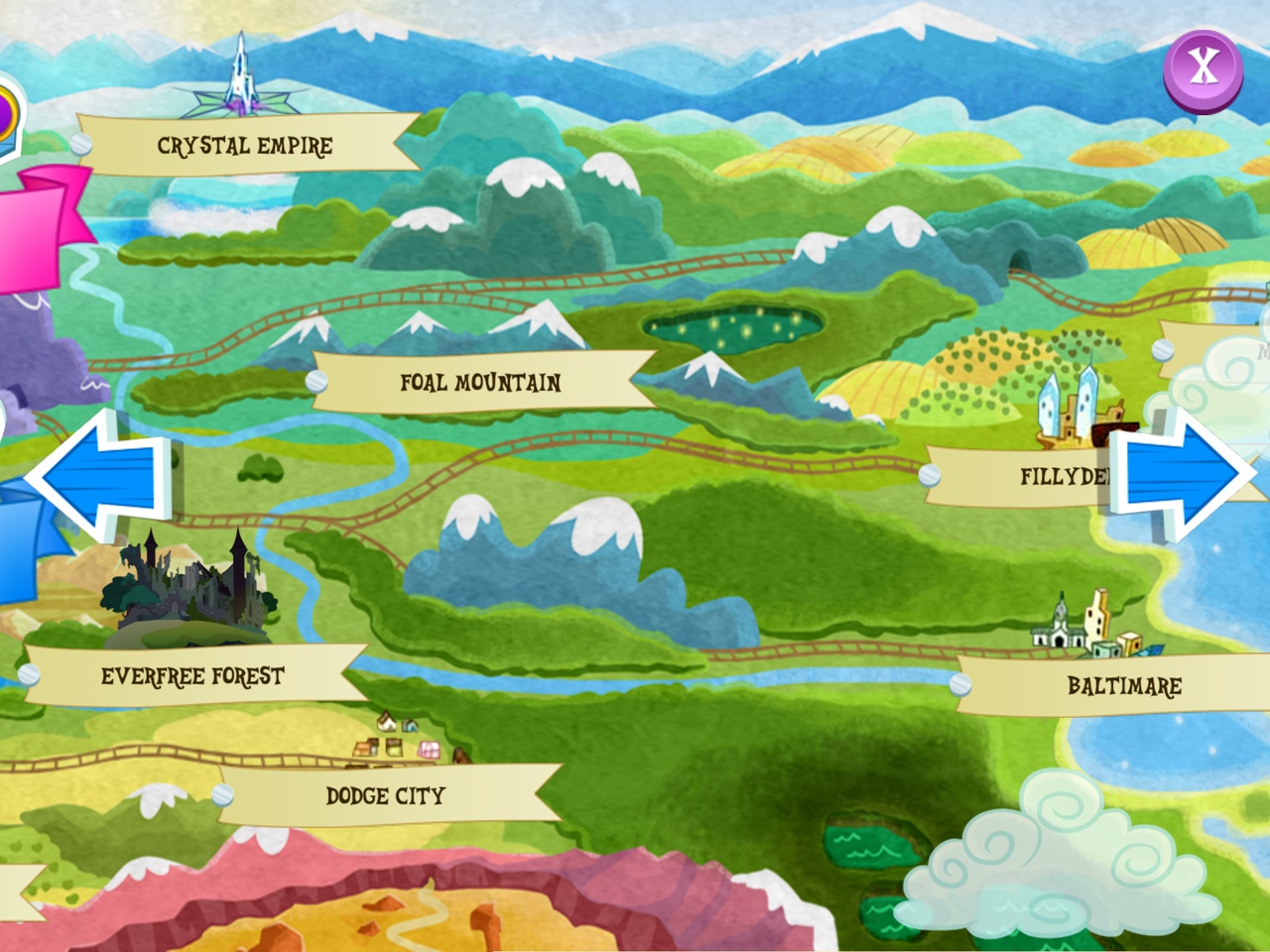
Fillydelphia’s groundwater has become a toxic stew of magical contaminants, with residents reporting strange illnesses and officials scrambling to contain the crisis. The abandoned Enchanted Wisp Factory, once a hub for arcane energy production, is leaking volatile magical residues into the city’s aquifers, according to recent tests commissioned by the Fillydelphia Water Authority. The discovery has ignited a firestorm of public outrage, with locals demanding accountability from the factory’s defunct owners and questions mounting about the economic trade-offs that allowed the site to decay unchecked.
The contamination was first detected last month when a cluster of residents near the factory’s former site—located on the edge of the Silverbrook District—began experiencing symptoms ranging from migraines to magical burnouts. “My marefriend’s hooves started crizzling like they were made of glass,” said Mica Vines, a local baker and resident of Silverbrook for 12 years. “The doctor said it’s some kind of magical overload. I don’t know what they’re putting in the water, but it’s not safe.”
The Enchanted Wisp Factory, which operated from 2015 to 2021, was a pioneering facility in the production of stabilized arcane energy, a key component in Equestria’s renewable power grid. However, the factory was shuttered abruptly after a series of safety violations, including improper containment of residual magic. Its owners, the Wisp Consortium, cited “financial restructuring” as the reason for the closure, though critics argue the decision was driven by the rising costs of compliance with the Royal Standards of Magical Safety.
“This wasn’t just a factory—it was a ticking time bomb,” said Professor Dandelion Bloom, a magical ecology expert at the Fillydelphia Institute of Applied Sciences. “The Wisp Consortium knew the risks of leaving the site unattended. They had the resources to clean it up, but instead, they cut their losses and left the public to foot the bill.”
The leaked contaminants, identified as volatile magical byproducts from the factory’s arcane reactors, have seeped into the groundwater supply, affecting over 200 households in Silverbrook and adjacent districts. Tests conducted by the Water Authority revealed elevated levels of “unstable mana residues,” which can disrupt a pony’s natural magical equilibrium. While no immediate fatalities have been reported, the long-term health implications remain unclear.
The Wisp Consortium has refused to comment publicly, citing ongoing legal disputes over the factory’s liabilities. However, a spokesperson for the company, a stallion named Sable Thorn, told OnlyMareNews, “We took all necessary steps to ensure the site was safe at the time of closure. The responsibility for the current crisis lies with the regulatory bodies that failed to enforce proper containment protocols.”
Local officials, meanwhile, are under pressure to act. Mayor Tanglefoot Silverhoof, a progressive reformer known for her stance on environmental regulation, announced an emergency task force to address the crisis. “This is a failure of both corporate responsibility and government oversight,” Silverhoof said in a press conference. “We need to hold the Wisp Consortium accountable, but we also need to ensure that the affected residents get the medical care they deserve.”
The economic fallout is already evident. Fillydelphia’s real estate market has taken a hit, with property values in Silverbrook dropping by 15% since the contamination was revealed. Small businesses, like Vines’ bakery, are struggling to retain customers worried about the water supply. “People are scared to drink the water, let alone buy my pastries,” Vines said. “It’s hurting the whole community.”
The crisis also raises broader questions about the risks of unregulated magical industrialization. Fillydelphia’s economy has long relied on its proximity to the Silverbrook aquifer, which powers everything from municipal services to the city’s famed crystal-powered transit system. The contamination threatens not just public health, but the city’s infrastructure.
Environmental advocates are calling for stricter regulations on magical industries, arguing that the Wisp Consortium’s case is a warning sign. “This isn’t an isolated incident,” said Rarity Pippin, a spokesperson for the Equestrian Environmental Coalition. “We’ve seen similar issues in the Badlands and Yakyakistan. The problem isn’t just the factories—it’s the lack of oversight. We need a new framework to prevent this from happening again.”
Cleanup efforts are underway, but they are slow and costly. The Fillydelphia Water Authority has allocated 2 million bits to pump and treat the contaminated water, though experts say this is only a temporary fix. “We’re treating the symptoms, not the disease,” Bloom warned. “The factory’s magical residues are still seeping into the ground. Without a full remediation plan, this could take decades to resolve.”
As the crisis unfolds, residents are left grappling with uncertainty. For Mica Vines, the situation is personal. “I just want to know if my family is safe,” she said. “And I want someone to answer for what’s happened.”
The Enchanted Wisp Factory’s legacy is a stark reminder of the risks of unchecked industrial ambition. With cleanup efforts lagging and corporate accountability elusive, the question remains: who will pay the price for this disaster—and what does it mean for the future of Equestria’s magical economy?
---
Word count: 1,023