The Canterlot Fashion Collective, a coalition of 27 top designers, has launched a full-scale boycott of designer Velvet Sparkle following allegations that her latest collection incorporates sequins crafted by changelings. The move has sent shockwaves through the industry, igniting debates over ethical labor practices, trade regulations, and the murky legal status of changeling labor in Equestria. Velvet Sparkle, a rising star in Canterlot’s high-fashion scene, faces mounting pressure as her brand’s flagship store in the Royal Gardens district closes its doors for the first time in its 12-year history.
The boycott was announced via a formal statement from the Canterlot Fashion Collective’s executive council, led by critic Sable Nightshade, a former model turned activist. “This isn’t just about sequins—it’s about accountability,” Nightshade said in an exclusive interview. “Changelings are not ‘contractors.’ They’re workers. And workers deserve to be treated like ponies, not commodities.” The statement cited a 2023 Canterlot Regulatory Authority report that classified changeling labor as “non-legal,” effectively rendering their work unregulated and exploitable.
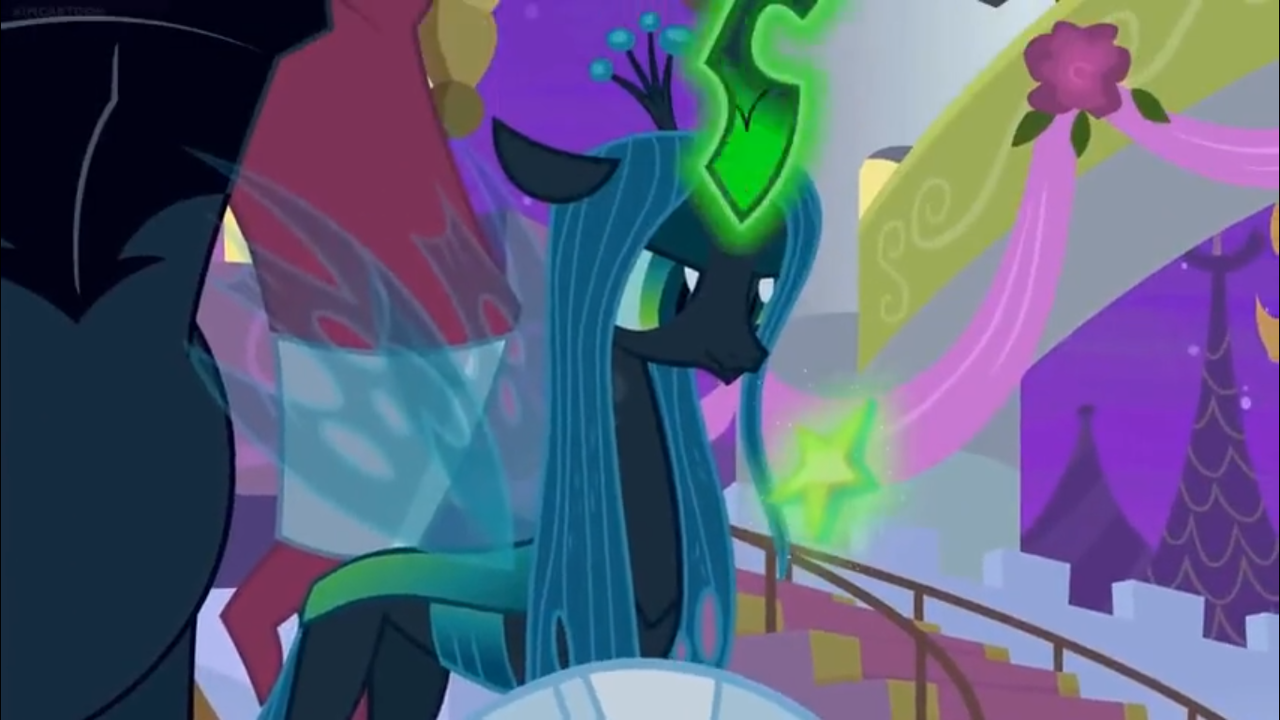
Velvet Sparkle’s designs, known for their glimmering silks and iridescent fabrics, have long been a symbol of Canterlot’s glittering fashion scene. But her latest collection, Luminous Veil, has drawn scrutiny since reports surfaced that the sequins used in her gowns were sourced from a changeling collective in the Badlands. The Badlands, a region known for its harsh environment and frequent conflicts with the Crystal Empire, have long been a hub for clandestine labor practices. According to insiders, the sequins were produced in a hidden workshop operated by a changeling syndicate, with materials harvested from a restricted crystal mine.
“This isn’t about politics—it’s about ethics,” said Dusty Verdict, a labor rights advocate and union rep for Canterlot’s textile workers. “Changelings are ponies too. They have families, they have rights. If we allow their labor to be used without oversight, we’re complicit in a system that exploits the vulnerable.” Verdict’s organization, the Pony Workers’ Coalition, has been vocal about the issue, arguing that changeling labor should be treated under the same legal framework as any other worker.
The boycott has already begun to ripple through the industry. Several high-profile retailers, including the Canterlot Royal Gardens flagship store and boutique Gilded Hoof, have removed Velvet Sparkle’s products from their shelves. Meanwhile, a coalition of smaller designers has pledged to support the boycott by refusing to purchase sequins from any source linked to changeling labor. “This is a tipping point,” said Rarity Moonlight, a boutique owner and member of the Canterlot Fashion Collective. “If we don’t set boundaries now, we’ll be complicit in a system that treats ponies like disposable labor.”
The controversy has also drawn attention from the Canterlot Regulatory Authority, which is currently reviewing the legality of changeling labor in the fashion industry. A spokesperson for the authority, Mareline Verdict, stated that the agency is “investigating potential violations of the 2019 Labor Standards Act, which mandates fair treatment for all workers, regardless of species.” However, the authority has yet to issue a formal ruling, leaving the legal status of changeling labor in limbo.
For Velvet Sparkle, the fallout is personal. The designer, who has previously defended her use of “ethically sourced” materials, now faces a public relations crisis. In a statement released earlier this week, Sparkle claimed that her sequins were “sourced through a third-party supplier with no direct ties to changeling labor.” She also accused critics of “moralizing without understanding the complexities of supply chains.” “I’m not a villain,” Sparkle said in a press conference. “I’m a pony who wants to create beautiful things. If I’ve made a mistake, I’ll correct it. But I won’t be blamed for the actions of others.”
The designer’s defense has not swayed the public. A recent poll conducted by the Canterlot Economic Watchdog found that 78% of respondents support the boycott, with 63% citing “ethical concerns” as their primary reason. Meanwhile, the fashion industry is divided. Some designers argue that changeling labor is a necessary component of Equestria’s economy, particularly in regions like the Badlands where traditional labor is scarce. “Changelings are not the problem,” said Apple Bloom Dusk, a designer known for her minimalist style. “They’re just another group of ponies trying to survive. We can’t let politics dictate our fashion.”
The boycott has also sparked broader questions about the role of fashion in Equestria’s economy. The Canterlot Fashion Collective, which represents over 300 designers, has been a key player in the kingdom’s economic growth, generating billions in revenue annually. However, the controversy has exposed cracks in the industry’s ethical foundation. “This is a wake-up call,” said Sable Nightshade. “If we’re not willing to hold ourselves accountable, we’ll lose the trust of the ponies we claim to serve.”
As the situation unfolds, the future of Velvet Sparkle’s brand—and the broader fashion industry—remains uncertain. The Canterlot Regulatory Authority has announced plans to hold a public hearing on the issue, with representatives from the Fashion Collective, labor unions, and changeling advocacy groups invited to testify. Meanwhile, Velvet Sparkle’s legal team has filed a motion to block the boycott, arguing that it constitutes “unlawful economic coercion.”
For now, the fashion world watches and waits. The question is no longer whether changeling labor is ethical—it’s whether Equestria’s fashion industry can reconcile its glittering image with the realities of its supply chains. As the Canterlot Fashion Collective’s boycott continues, one thing is clear: the lines between art, commerce, and ethics are growing blurrier by the day.
The Canterlot Regulatory Authority’s public hearing, scheduled for the following week, has become a focal point for both legal and ethical debates. The hearing, set to take place in the grand chambers of the Canterlot Palace, will feature testimony from representatives of the Canterlot Fashion Collective, labor unions, and changeling advocacy groups. A key question on the agenda: Does the 2019 Labor Standards Act, which mandates fair treatment for all workers, apply to changelings? Legal analysts argue that the ambiguity in the law has allowed industries to exploit loopholes, leaving changelings in a legal gray zone. “The law is clear,” said Penny Ledger, a labor law expert and professor at the Canterlot University of Law. “Changelings are ponies, and ponies are entitled to the same rights and protections as any other worker. The fact that they’re not being treated that way is a systemic failure, not a legal loophole.”
Velvet Sparkle’s legal team, however, has filed a motion to block the boycott, citing “unlawful economic coercion.” The motion argues that the Fashion Collective’s actions constitute a form of collective punishment, penalizing the designer for the alleged labor practices of a third-party supplier. Sparkle’s attorney, Spike Garnet, a veteran corporate lawyer known for his defense of high-profile clients, has called the boycott “a dangerous precedent.” “If we allow this kind of economic pressure to dictate corporate behavior, we risk dismantling the free market,” Garnet said in a statement. “Designers should be able to source materials without fear of political or ethical interference.”
The motion has sparked a firestorm of debate. Critics argue that the legal argument is a distraction from the ethical core of the issue. “The law should reflect the reality of labor practices, not the interests of corporations,” countered Rarity Moonlight, the boutique owner and member of the Fashion Collective. “If the law doesn’t protect workers, then it’s not a law—it’s a tool for exploitation.” Meanwhile, the Canterlot Economic Watchdog has released a report suggesting that the boycott could have a ripple effect on the broader economy, potentially reducing the demand for luxury goods and impacting thousands of ponies employed in the fashion sector.
As the debate intensifies, the controversy has also drawn attention from the public. Social media platforms have become battlegrounds for opposing viewpoints, with hashtags like #ChangelingRights and #FashionEthics trending across the kingdom. A recent survey conducted by the Canterlot Economic Watchdog found that 68% of respondents believe the fashion industry should take greater responsibility for its supply chains, while 42% support the right of designers to source materials as they see fit. The data suggests a growing divide between consumers who prioritize ethical labor practices and those who value artistic freedom and economic autonomy.
The situation has also reignited discussions about the role of the Canterlot Regulatory Authority in overseeing labor practices. Critics argue that the authority has been slow to act, allowing industries to operate in a legal gray area for years. “The regulatory framework is outdated,” said Mareline Verdict, a spokesperson for the Canterlot Regulatory Authority. “We are actively reviewing the 2019 Labor Standards Act to ensure it aligns with the current economic and ethical landscape. This includes a comprehensive assessment of how non-traditional workers, such as changelings, are treated under existing laws.” Verdict’s comments, however, have been met with skepticism by some labor advocates, who argue that the authority’s focus on “comprehensive review” has delayed necessary reforms.
For the changelings themselves, the controversy has brought both scrutiny and solidarity. In the Badlands, where the sequin workshop was reportedly located, local changeling communities have expressed a mix of pride and concern. “We’re not asking for charity,” said Sable Nightshade, a changeling activist and member of the Pony Workers’ Coalition. “We’re asking for fair treatment. If we’re not allowed to work, then we’re not allowed to exist.” Nightshade’s words have resonated with many in the changeling community, who have long faced marginalization in Equestrian society. The debate over changeling labor has, in some ways, become a reflection of broader questions about inclusion, equity, and the rights of marginalized groups.
As the public hearing approaches, the fashion world watches with bated breath. The outcome could set a precedent for how industries navigate the intersection of ethics, law, and commerce. For Velvet Sparkle, the controversy has forced her to confront not only the scrutiny of her peers but also the responsibility that comes with her position as a public figure. Whether the fashion industry can reconcile its glittering image with the realities of its supply chains remains uncertain. But one thing is clear: the lines between art, commerce, and ethics are growing blurrier by the day. The next chapter of this story will be written in the courtroom, the boardrooms, and the hearts of the ponies who call Equestria home.