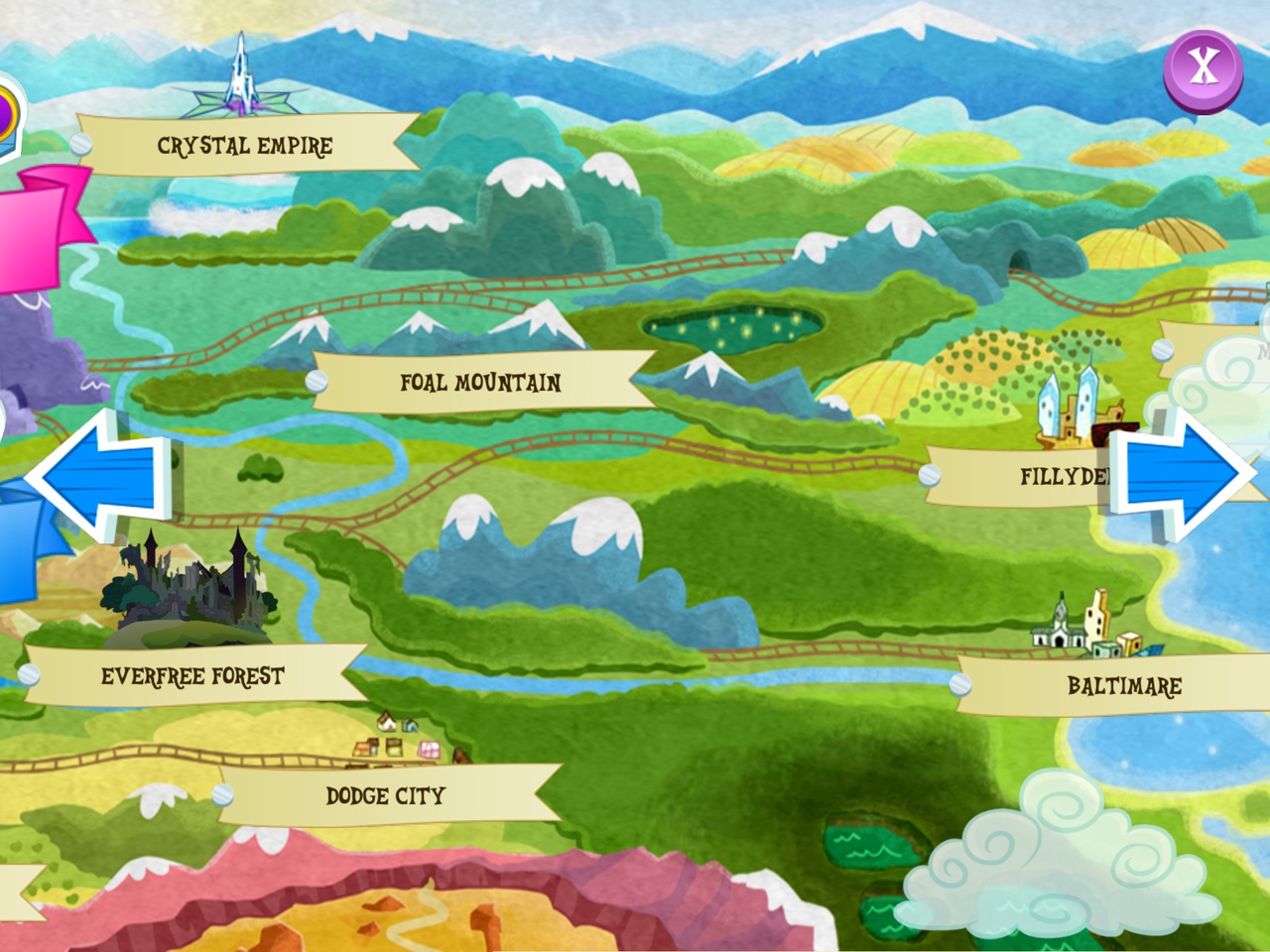
Baltimare’s harbor, once a backdrop for quiet cargo装卸, now hums with the rhythm of a viral sea shanty penned by dockworker Seabreeze Mariner. The song, “Waves of Steel,” has surged through Equestria’s social networks, redefining the city’s cultural identity and reigniting tensions over labor rights, artistic ownership, and the role of music in industrial communities.
Mariner, a 37-year-old Pegasus with a reputation for both stubbornness and a knack for melody, first performed the shanty at a dockside gathering last month. The song, a gritty blend of nautical lore and labor struggles, details the grueling lives of Equestria’s maritime workers while weaving in metaphors about solidarity and resistance. Within days, it had been shared over 200,000 times across Canterlot’s platforms, with versions recorded by amateur musicians, corporate sponsors, and even a parody by the Manehattan-based satirical duo Hoofprints.
“This isn’t just a song—it’s a rallying cry,” said Mavis Tides, a labor union rep for Baltimare’s Port Workers’ Guild. “It’s the first time I’ve seen a working-class anthem resonate this widely. People are using it at strikes, protests, even during shift changes. It’s giving them a voice they didn’t know they had.”
The shanty’s rise has not gone unnoticed by local officials. Mayor Corbin Ripple, a progressive mare known for her push to modernize Baltimare’s economy, praised the song’s “power to unite” but warned against “exploiting the labor movement for political gain.” Her comments came after a series of corporate-backed remixes featuring corporate slogans and branding, which critics argue dilute the song’s original message.
“This is about workers, not logos,” said Mariner during an interview at the docks. “I wrote it to honor the people who keep Equestria’s supply chains running. If companies want to use it, they should pay the workers who built it—directly.”
The song’s success has also sparked a broader conversation about intellectual property in Equestria’s creative economy. Legal analysts like Professor Thistlewick Puddle of the Canterlot University of Arts and Sciences note that Mariner’s case is unique: the shanty, though performed publicly, was initially shared without a formal copyright.
“This creates a legal gray area,” said Puddle. “While the song’s viral spread has benefited the artist, it also raises questions about how creators protect their work in a world where sharing is instantaneous. If Mariner hadn’t released it freely, would the song have reached millions? Or would it have been buried in obscurity?”
The debate has spilled into the political arena. A recent survey by the Equestrian Institute of Public Opinion found that 62% of respondents believe the song’s success should be shared with the workers who inspired it, while 41% think the viral momentum is a sign of “Equestria’s cultural renaissance.”
Meanwhile, the city’s cultural scene has taken notice. Baltimare’s annual Harbor Festival, once a modest event celebrating local seafood and maritime traditions, now faces pressure to incorporate the shanty into its programming. However, some longtime residents worry the song’s popularity could overshadow smaller, traditional artists.
“Every generation has its anthems,” said Coraline Gravy, a veteran folk singer from Baltimare’s Old Wharf district. “But this one feels different. It’s not just about music—it’s about the people behind it. If we let a single song define the city’s culture, we risk losing the stories of the hundreds of voices that built this place.”
The song’s unexpected rise has also drawn scrutiny from international observers. The Griffon Trade Council, which recently imposed stricter regulations on Equestria’s maritime exports, has quietly monitored the shanty’s spread. Analysts speculate that the council may view the song as a symbol of Equestrian resistance to foreign influence, though no official statements have been made.
For now, Mariner remains focused on the immediate impact of the song. She recently announced plans to use the shanty’s popularity to fund a new worker-led arts collective, though details remain vague.
“This isn’t about fame or money,” she said. “It’s about making sure the people who work the docks are remembered. If this song helps even one worker feel seen, then it’s worth it.”
As Baltimare’s harbor continues to buzz with the shanty’s melody, the city faces a pivotal question: Can a single song bridge the gap between labor and culture, or will the viral phenomenon fade into the next trend? For now, the answer lies in the hands of the workers—and the workers are singing.
---
Quotes:
- “This isn’t just a song—it’s a rallying cry.” — Mavis Tides, labor union rep
- “If companies want to use it, they should pay the workers who built it.” — Seabreeze Mariner, dockworker and shanty composer
Implications: The shanty’s viral success highlights tensions between artistic freedom, labor rights, and corporate interests in Equestria’s evolving cultural landscape. As debates over ownership and legacy intensify, the song’s fate may serve as a microcosm of broader struggles for creative and economic equity.