Cloudsdale’s Sky Platforms Crumble: Aging Infrastructure Sparks Crisis
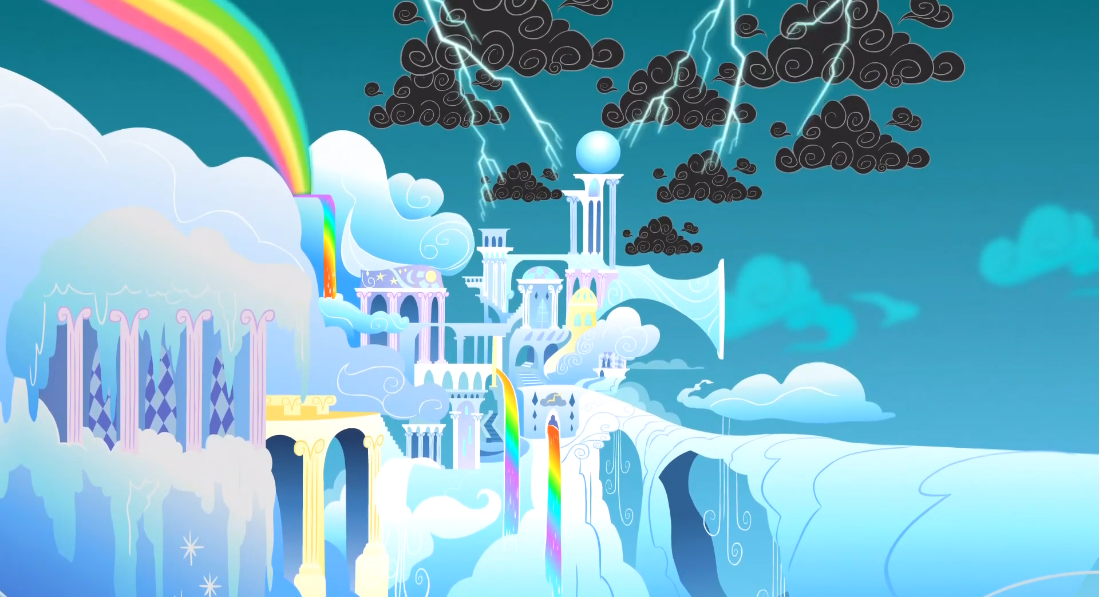
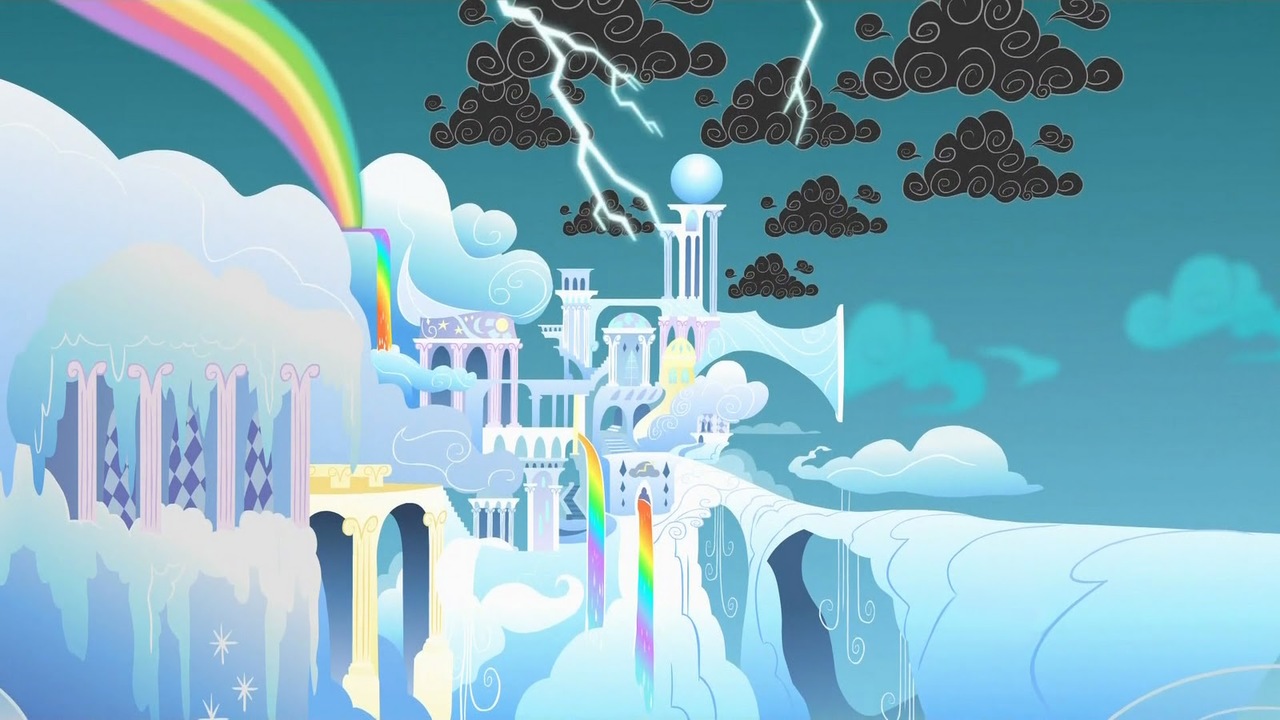
Cloudsdale’s iconic floating platforms, which have long symbolized the city’s technological prowess, are facing a stark reality: decades of use have left critical infrastructure in perilous disrepair. A recent structural survey by the Royal Engineering Corps has uncovered widespread deterioration in platforms built before the Great Sky Expansion of 2012, raising urgent questions about safety, oversight, and the city’s commitment to its citizens.
The survey, commissioned by the Mayor’s Office and conducted by the Royal Engineering Corps, found that 47% of platforms constructed prior to 2012 show signs of structural fatigue, with 12% classified as “high-risk” due to compromised load-bearing capacity. These platforms, which house everything from residential districts to commercial hubs, are now facing a growing threat of collapse, power outages, and catastrophic failures.
“This isn’t just about rust or wear—it’s about systemic neglect,” said Skyreach, a senior structural engineer and lead investigator on the survey. “The materials used in these platforms were state-of-the-art when they were built, but the relentless demands of a growing population and outdated maintenance protocols have left them vulnerable. We’re talking about structures that could bring down entire neighborhoods if they fail.”
The findings have already sparked outrage among residents and business owners. Gale Vortex, a cloud platform maintenance worker with 15 years of experience, described the situation as “a ticking time bomb.”
“I’ve seen the cracks in the foundations, the corrosion in the support beams, and the way the platforms sway under heavy weather,” Gale said. “We’re not just talking about old buildings—we’re talking about a city built on air. If one of these platforms collapses, the consequences will be disastrous.”
A City Built on Air Faces Unseen Perils
Cloudsdale’s platforms, which form the backbone of the city’s economy and daily life, were originally designed to last 50–70 years. However, rapid urbanization and the expansion of industries such as cloud mining and aerial tourism have placed unprecedented strain on the aging infrastructure.
The survey highlighted several critical issues: corroded support beams in the lower-tier platforms, degraded insulation in high-altitude districts, and inadequate reinforcement in areas prone to extreme weather. In particular, the older platforms in the Skyreach District, which house 12% of the city’s population, were flagged as the most vulnerable.
“This isn’t just a technical problem—it’s a public safety crisis,” said Mayor Breezy Zephyr, who has pledged to address the issue. “We’ve already allocated emergency funds to inspect and reinforce the most at-risk platforms, but we need more transparency and accountability. The citizens of Cloudsdale deserve to know the full extent of the danger and how their tax dollars will be used to fix it.”
The Royal Engineering Corps has confirmed that repairs will begin in the coming weeks, with priority given to high-risk platforms. However, critics argue that the scale of the problem demands a more comprehensive overhaul.
Community Fears and Legal Scrutiny
Residents are demanding more than just repairs—they’re calling for an independent review of the city’s infrastructure management practices. The Cloudsdale Safety Committee, a grassroots advocacy group, has launched a petition urging the city council to establish a permanent oversight body to monitor platform maintenance.
“We’ve been asking for this for years,” said Sable Nightshade, a local activist and former city planner. “The engineers who built these platforms knew they’d need regular upgrades, but the bureaucracy has been too slow. Now we’re paying the price with potential lives lost.”
Legal experts warn that the city could face significant liability if a platform collapses. “If a platform fails and causes injury or death, the city could be held responsible for negligence,” said Professor Dusty Verdict, a legal scholar at Celestia University. “This isn’t just about safety—it’s about liability. The city needs to act now before the courts force their hand.”
Economic Implications and the Road Ahead
The crisis has also raised concerns about Cloudsdale’s economic stability. The platforms host 40% of the city’s commercial activity, including major industries like cloud mining, aerial logistics, and tourism. A collapse or prolonged shutdown could disrupt supply chains and lead to a loss of billions in revenue.
“We’re already seeing some businesses relocate to newer platforms or consider moving to other cities,” said Penny Ledger, a business consultant specializing in Cloudsdale’s economy. “This isn’t just a technical issue—it’s a threat to the city’s economic future. If we don’t act quickly, we could be looking at a massive exodus.”
The mayor’s office has announced plans to fast-track funding for repairs, but the scale of the problem remains daunting. With over 200 platforms requiring urgent attention, the cost could exceed 100 million bits.
As the city scrambles to address the crisis, one question looms: will Cloudsdale’s leaders prioritize the safety of its citizens over political expediency? Or will the same bureaucratic inertia that allowed the problem to fester continue to delay action?
For now, the sky is no longer the limit—it’s the place where the city’s future hangs in the balance.
---
END OF ARTICLE