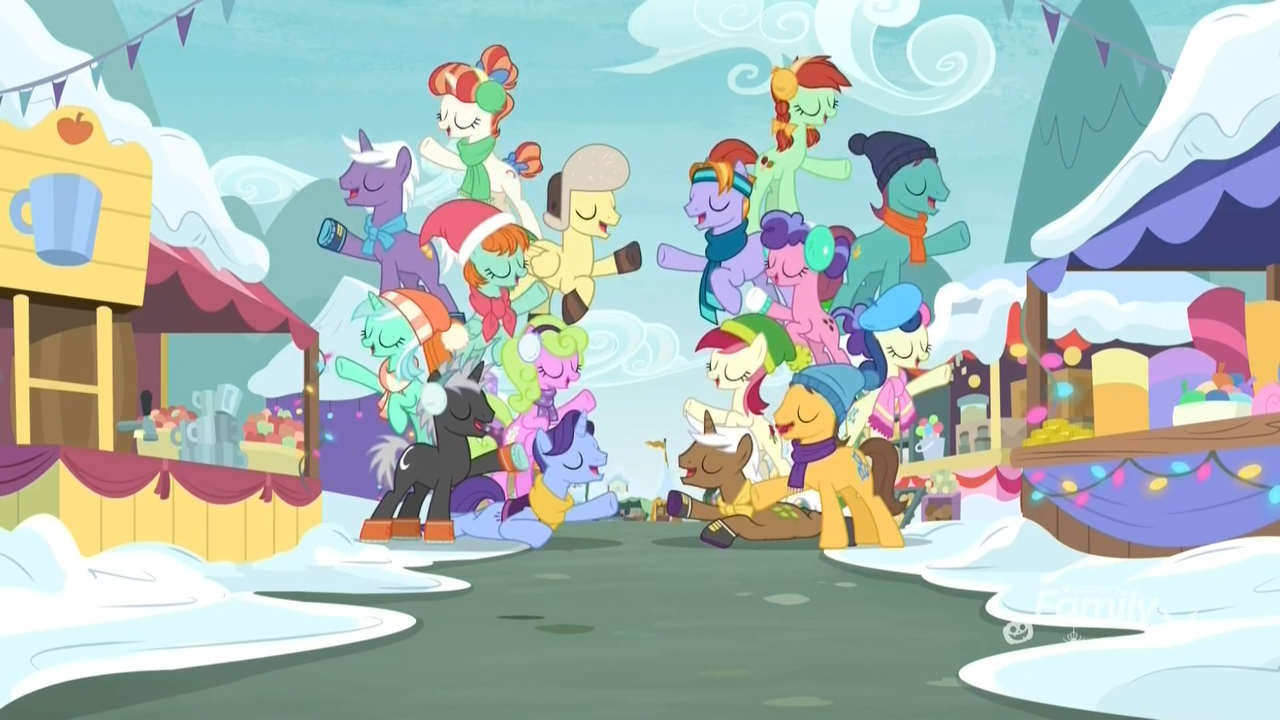
The rise of competitive cider brewing has transformed Equestria’s craft distilling scene into a high-stakes arena, with thousands of homebrewers vying for prestige and profit. What began as a niche hobby has erupted into a nationwide phenomenon, driving record sales, spurring rural revitalization, and sparking fears of market saturation. In Ponyville, where apple orchards once thrived on traditional farming, cider-making now outpaces wheat and hay production in annual value.
The trend’s meteoric rise is evident in the numbers. According to the Canterlot Economic Council, cider-related business registrations surged by 214% in 2024, with over 12,000 new licenses issued in the past year alone. “We’re seeing a cultural shift,” said Dusty Verdict, a market analyst at the Canterlot Trade Bureau. “Cider isn’t just a drink anymore—it’s a status symbol, a community anchor, and a cash cow.” Verdict’s data shows that cider sales in the Crystal Empire alone surpassed 3.2 million liters in Q2, outpacing even the iconic Apple Bloom’s annual Apple Festival.
At the heart of the boom is the Grand Cider Cup, a biannual competition hosted in Ponyville’s historic Applebuck Arena. The event, which draws competitors from as far as the Badlands and Yakyakistan, has become a spectacle of color, fragrance, and rivalry. “It’s not just about the prize money,” explained Appleshine Mosaic, a third-generation cider maker from Appleloosa. “It’s about proving your craft can stand up to the best. The crowd here? They’re your judges, your investors, your family.” Mosaic’s own cider, “Golden Grove,” recently won the 2024 Grand Cider Cup’s “Best Traditional” category, earning her a $50,000 prize and a spot in the Canterlot Cider Guild’s elite ranks.
The economic ripple effects are undeniable. In Ponyville’s outskirts, once-decrepit farmhouses have been converted into cider cellars, while rural cooperatives now supply premium apples to distillers. The town’s mayor, Sable Nightshade, reported a 47% increase in local tax revenue since the trend began. “We’re not just selling cider—we’re selling a lifestyle,” Nightshade said. “These ponies are building careers, not just hobbies.” Yet not everyone shares the optimism.
Critics warn of a looming crisis. “The market is growing too fast for the infrastructure to keep up,” said Rarity’s cousin, Luminous Sparkle, a food safety inspector with the Canterlot Department of Quality Assurance. “We’ve already seen cases of subpar ingredients, unlicensed distillers, and even counterfeit brands masquerading as premium. If regulators don’t act, this could turn into a public health nightmare.” Sparkle cited a recent bust in Baltimare, where a gang of counterfeit cider-makers was found selling diluted apple juice laced with synthetic flavorings.
The competition’s intensity has also raised concerns about fairness. In a recent scandal, the Grand Cider Cup’s judges were accused of favoring entries from Canterlot-based distillers, sparking accusations of regional bias. “The rules are clear: every cider must be judged on its merits,” countered Grand Cider Cup organizer, Spike’s apprentice, Glimmer Bolt. “But the system isn’t perfect. We’re working on a new scoring model to ensure transparency.” Bolt’s admission highlights a deeper tension: as the hobby grows, so does the pressure to maintain its integrity.
For many, however, the craze represents a renaissance for rural Equestria. In the Everfree Forest’s outskirts, a collective of 120 small-scale cider-makers formed the “Meadow Bloom Cooperative,” pooling resources to share equipment and expertise. “We’re not just making cider—we’re building a network,” said Meadow Bloom’s founder, Thistle Root. “These distillers are the new entrepreneurs, the new pioneers. They’re giving our rural areas a second life.”
Yet the path forward is fraught with challenges. Environmentalists have raised alarms about the strain on apple orchards, with some regions reporting a 30% drop in traditional apple farming due to the demand for premium cider-grade fruit. Meanwhile, labor disputes have erupted in the Crystal Empire, where workers at a major cider-processing plant are demanding higher wages and safer conditions. “This industry is booming, but at what cost?” asked labor union rep, Clover Margin. “We need regulations that protect both the ponies making the cider and the ponies drinking it.”
As the Grand Cider Cup prepares for its 2025 edition, the question remains: can Equestria’s cider boom sustain its momentum without sacrificing quality, equity, or safety? With over 18,000 entries expected this year, the stakes have never been higher. For now, the scent of fermented apples fills the air—and the competition is just getting started.
---
END OF ARTICLE