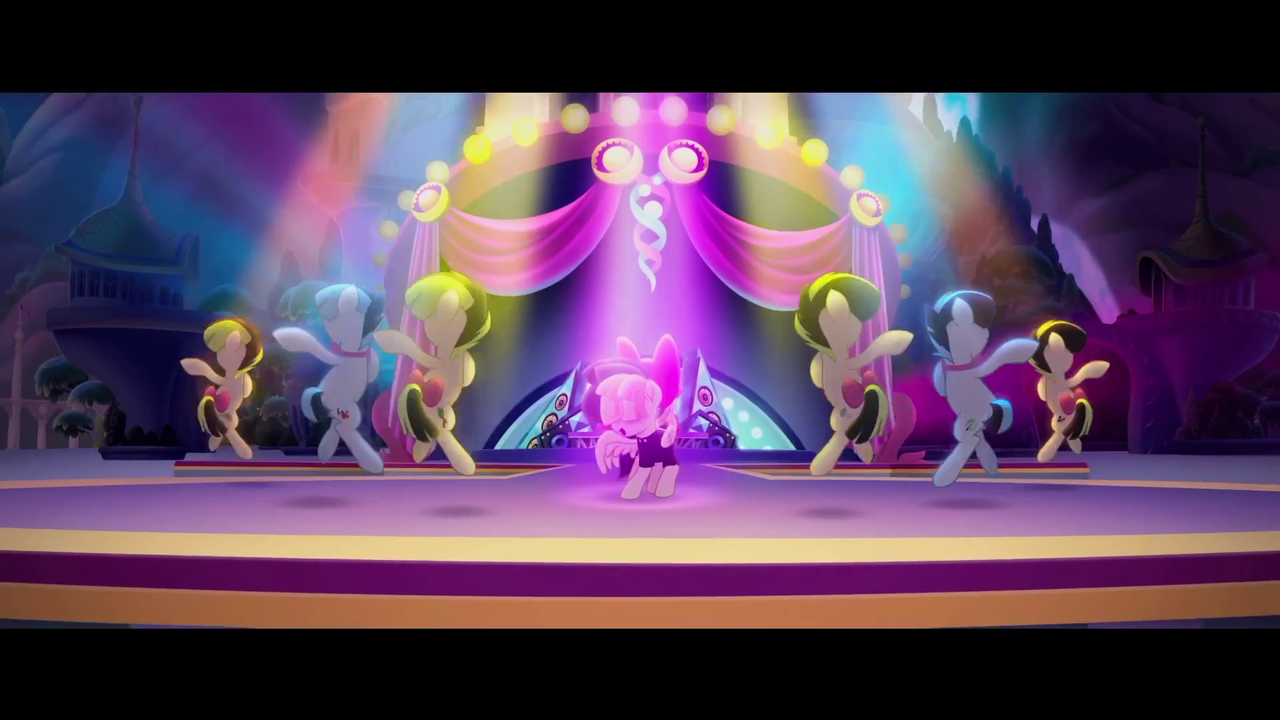
Canterlot’s Everglow Theater has abruptly canceled its controversial production Shadows of the Crown after weeks of public backlash, raising questions about artistic freedom, historical accountability, and the role of theater in a politically charged society. The play, which dramatized the reign of Princess Celestia’s predecessors with a mix of fictionalized events and alleged misconduct, was pulled just days before its scheduled debut, citing “unprecedented public pressure” and “ethical concerns.”
The decision has ignited a firestorm among artists, historians, and citizens, with critics accusing the theater of both sensationalism and self-censorship. The play’s cancellation comes as Canterlot’s royal family faces growing scrutiny over its legacy, particularly following recent leaks of archived royal correspondence suggesting tensions between Celestia’s ancestors and rival kingdoms.
A Play Divided
Shadows of the Crown premiered in a limited run last year, drawing mixed reviews. The production, directed by veteran stagehand Dusk Moth, reimagined the reign of Queen Luna’s predecessor, King Solstice, as a period of covert manipulation and political brinkmanship. The script, penned by playwright Ember Quill, wove together historical records, folklore, and speculative fiction to depict Solstice as a ruler who allegedly orchestrated the “Sunset Compact”—a fictional treaty with the Dragon Lands that allegedly predated the current peace accord.
“History is a mosaic, not a monolith,” Quill told OnlyMareNews in a recent interview. “The play didn’t invent events, but it gave voice to the shadows that history often ignores. That’s the role of theater—to challenge, not to placate.”
But for many Canterlot residents, the play crossed a line. “It’s not just about history; it’s about respect,” said Sable Nightshade, a local historian and member of the Canterlot Historical Society. “The royal family isn’t a punchline for dramatic license. If you’re going to dramatize the past, you have to do it with integrity—or not at all.”
Public Pressure and Political Climate
The cancellation was announced via a statement from Everglow Theater’s managing director, Glimmer Tarn, who cited “a surge in public concern” and “a need to align with community values.” The theater’s board reportedly faced mounting pressure from civic groups, including the Canterlot Citizens’ Council, which had organized a petition demanding the play’s withdrawal.
“We’re not against art that provokes,” said Tarn in a press briefing. “But this play’s narrative was seen as a direct attack on the legacy of the royal family, which is a symbol of unity for Equestria. We couldn’t risk further division at a time when our nation is already grappling with regional tensions and economic uncertainty.”
The decision has drawn sharp criticism from the artistic community. “This is a chilling precedent,” said Misty Rime, a playwright and critic at the Canterlot Drama Guild. “If theater can’t explore the past without fear of backlash, what does that say about our society’s appetite for truth? Are we so afraid of controversy that we silence the very medium that gave us our history in the first place?”
Royal Family Responds
The royal family has not publicly commented on the play’s content, but their spokesperson, Princess Celestia’s aide Apple Bloom, issued a brief statement: “The Crown values the arts, but also the dignity of its history. Any portrayal that risks undermining public trust in our institutions must be met with caution.”
Meanwhile, some historians have called for a more nuanced discussion. “The play’s flaws are not in its ambition, but in its execution,” said Professor Clover Ledger, a Canterlot University scholar specializing in royal history. “It’s easy to dismiss it as sensationalism, but the real issue is whether we’re willing to engage with the messy, unflinching truths of the past—or if we’d rather sanitize them for political comfort.”
A Broader Cultural Divide
The controversy reflects deeper tensions in Canterlot over the role of art in public life. With the Crystal Empire’s recent push for stricter cultural regulations and the Dragon Lands’ ongoing diplomatic disputes, many fear the cancellation signals a broader crackdown on dissenting narratives.
“This isn’t just about a play,” said citizen activist Penny Ledger. “It’s about who gets to write the story of our past. If the ruling class can dictate which histories are acceptable, then what’s left for the rest of us?”
Others, however, argue the decision was necessary. “Art shouldn’t be a weapon,” said local business owner Dusty Verdict. “If you’re going to use theater to stir up trouble, you’re not serving the public—you’re serving your ego.”
What Comes Next?
Everglow Theater has not announced plans to revive Shadows of the Crown, but Quill has hinted at a potential rewrite. “I’m not backing down,” she said. “If they won’t let me tell the story, I’ll find another way.”
For now, the cancellation leaves an open question: In a world where history is both a weapon and a mirror, who gets to decide what’s worth remembering—and what’s best left in the shadows?
---
OnlyMareNews is committed to reporting the news, not the opinions of those who shape it.