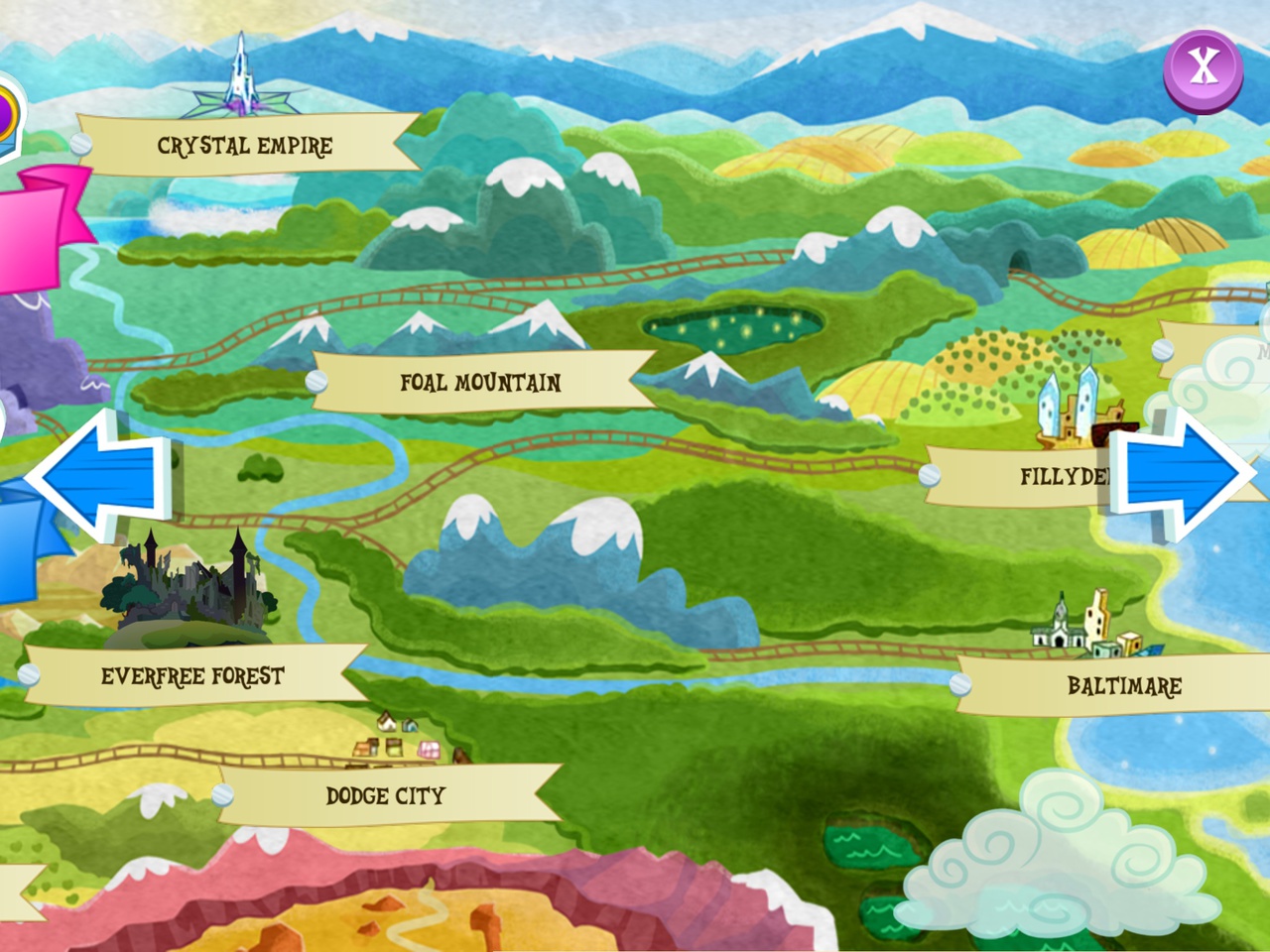
Baltimare’s underground music scene is growing louder, threatening to upend the polished, corporate-controlled landscape of Equestrian pop. As independent artists bypass traditional record labels and streaming platforms, they’re pushing boundaries with raw, experimental sounds that defy the sanitized aesthetics of mainstream charts. This cultural shift, driven by a coalition of renegade DJs, rogue producers, and disenfranchised musicians, has sparked both admiration and alarm among industry insiders and fans alike.
The movement, centered in Baltimare’s industrial districts and the labyrinthine alleys of the Midnight Bazaar, has gained momentum over the past two years. According to Sable Nightshade, a veteran DJ and co-founder of the Midnight Bazaar Collective, “We’re not just making music—we’re reclaiming the narrative. The major labels have turned pop into a commodity, and we’re here to disrupt that.” Nightshade, a former Canterlot Academy graduate turned underground icon, describes the scene as a “cultural rebellion,” with artists using arcane tech and DIY methods to craft soundscapes that reject the polished, cookie-cutter productions of mainstream studios.
The Midnight Bazaar Collective, a loose network of artists and technomancers, has become a hub for innovation. Its members blend traditional earth pony melodies with cutting-edge arcane engineering, creating music that resonates with the raw energy of the city’s working-class districts. One such project, Echoes of the Forgotten, merges hauntingly beautiful arias with pulsating magical frequencies, drawing crowds to clandestine performances in abandoned warehouses and underground clubs.
But this rise has not gone unnoticed. Major labels and streaming platforms, which dominate the Equestrian music market, have responded with a mix of censorship and co-optation. Last month, the Ponyville-based Celestia Records issued a statement warning against “disruptive content,” while the Everfree Media Guild—a coalition of corporate media outlets—launched a campaign to discredit underground artists as “unstable” and “unmarketable.”
“Corporate gatekeepers fear what they can’t control,” says Dusty Verdict, a producer and co-founder of the Midnight Bazaar Collective. “They’d rather flood the market with shallow, algorithm-driven hits than let raw creativity thrive.” Verdict, whose work with arcane resonance tech has made him a sought-after collaborator, points to the growing success of underground artists on independent platforms like the Crystal Empire’s Luminous Stream and the Griffonstone-based Runic Replay. These platforms, free from corporate oversight, have become sanctuaries for artists who prioritize artistic integrity over profit.
The impact of this shift is already being felt. Last week, the Baltimare-based indie label Sparks Unbound reported a 300% increase in sales of underground music, while mainstream chart-toppers saw a decline in streaming numbers. Yet, the industry’s response has been swift. In a recent op-ed published in The Canterlot Times, former Equestrian Music Association president Starlight Glimmer argued that “underground movements risk alienating audiences who crave accessibility and consistency.” Glimmer, now a consultant for the Ponyville-based Harmony Records, criticized the scene for “lack of structure” and “self-aggrandizing rhetoric.”
But for many in Baltimare, the underground movement represents a necessary evolution. “Mainstream music has become a factory, churning out the same beats and lyrics for decades,” says Penny Ledger, a critic and longtime advocate for independent artists. Ledger, who runs the blog Rhythms Unbound, highlights how underground artists are redefining what music can be, incorporating elements of spoken word, interactive magic, and even audience participation. “These artists aren’t just making music—they’re creating experiences.”
The economic implications are equally significant. With the rise of independent platforms, local businesses in Baltimare’s arts districts are benefiting from a surge in foot traffic. The Midnight Bazaar, once a shadowy haven for smugglers and black-market traders, now hosts underground music festivals that draw thousands. “We’ve turned the bazaar into a cultural landmark,” says Mayor Mallow, a supporter of the arts district’s revitalization. “These artists are giving our city a new identity—one that’s unapologetically real.”
Yet challenges persist. The underground scene faces legal hurdles, including crackdowns on unauthorized performances and restrictions on the use of arcane tech in music production. In a recent incident, the Canterlot Council passed a resolution banning “unregulated magical sound manipulation,” citing concerns over public safety. While supporters argue the move is a thinly veiled attempt to stifle creativity, others warn of the risks of unregulated arcane experimentation.
As the debate intensifies, one question looms: Can the underground scene sustain its momentum without falling into the same traps of commercialization it seeks to escape? For now, the answer lies in the beats of Baltimare’s streets, where artists continue to push the boundaries of what music—and magic—can achieve. Whether this movement will reshape Equestria’s cultural landscape or fade into obscurity remains to be seen. But one thing is clear: the underground is no longer silent.