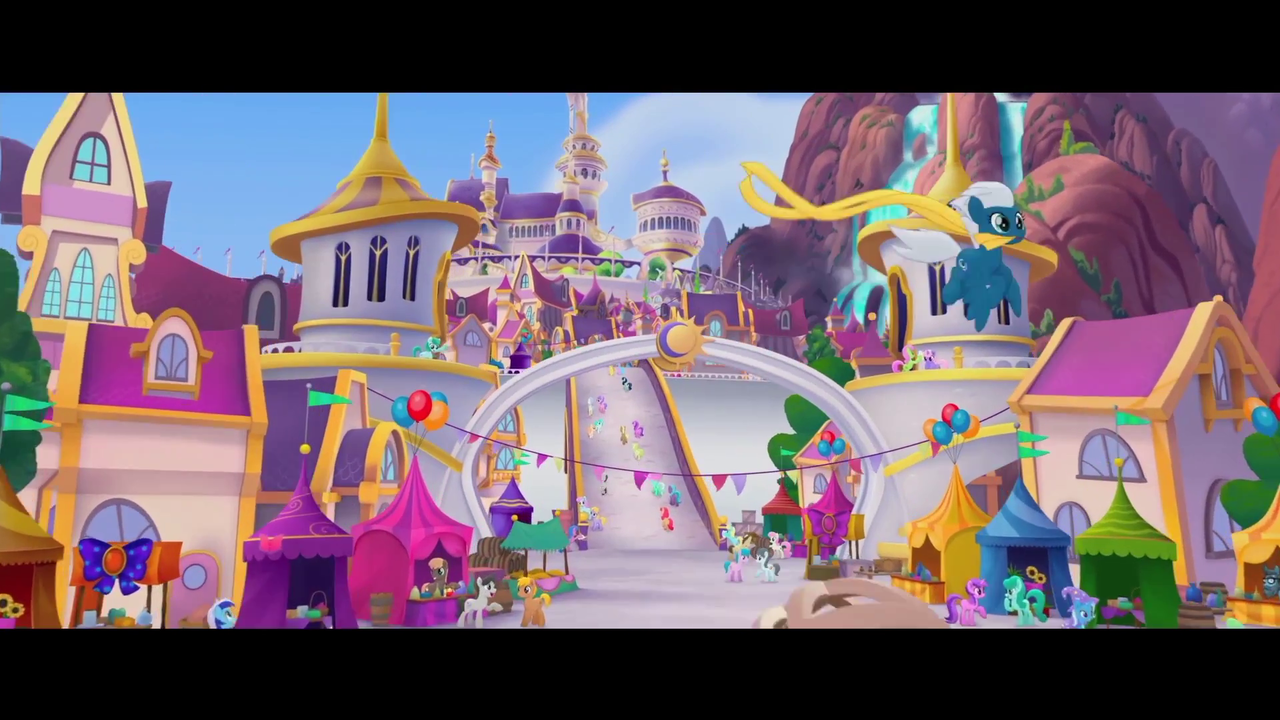
The Equestrian shipping industry is in crisis. Ports in Manehattan and Baltimare report a 35% drop in dockworkers since 2023, with young ponies increasingly shunning the grueling labor of loading cargo ships and maintaining harbor infrastructure. As trade routes grind to a halt, officials warn the sector’s collapse could ripple across the economy, from Crystal Empire imports to Griffonstone exports.
“Without enough hands to unload cargo, ships are sitting idle in the harbor,” said Iron Hoof, a senior manager at Manehattan’s Starlight Terminal. “We’re losing millions in revenue every month, and the backlog is threatening our ability to meet international deadlines.” Hoof’s comments came after a recent report by the Equestria Trade Alliance revealed that over 200 dock positions remain unfilled in key ports, despite wage hikes and safety improvements.
The exodus of young workers has left ports scrambling. At Baltimare’s Sunken Reef Terminal, a recent attempt to hire 50 new workers yielded only 12 applicants. “The work is physically demanding, and the hours are brutal,” said Sable Nightshade, a 22-year-old who recently declined a dockworker offer. “I’d rather work in a tech startup or run a boutique café. The pay is better, and the hours are more flexible.” Nightshade’s sentiment reflects a broader trend: younger ponies are flocking to industries perceived as less hazardous and more lucrative.
The shift has created a stark divide between older workers and younger generations. “We’ve been doing this for decades,” said Dusty Verdict, a 47-year-old dock supervisor at Starlight Terminal. “We understand the risks, and we’ve built careers here. But the kids? They don’t want to carry heavy crates or work 12-hour shifts. They want something… different.” Verdict’s frustration is echoed across the industry, where veteran workers are now shouldering the brunt of the labor shortage.
The economic consequences are already visible. At the Starlight Terminal, delays in unloading Crystal Empire gem shipments have forced importers to pay steep storage fees, while Griffonstone’s reliance on Equestrian ports has left its exporters scrambling to find alternative shipping routes. “We’re losing ground to the Dragon Lands and Yakyakistan,” said Copper Gauge, a trade analyst at the Equestria Commerce Institute. “Their ports are more efficient, and their workers are more willing to take on the labor.”
The root of the problem lies in the perception of dockwork as a dead-end job. Unlike tech startups or boutique businesses, which promise career growth and innovation, the shipping industry is seen as a repetitive, low-paying trade. “Young ponies don’t see a future in this,” said Penny Ledger, an economist at the Canterlot Institute of Labor Studies. “They’re looking for stability, not just a paycheck. And the industry isn’t offering either.”
Safety concerns also play a role. Dockwork involves heavy lifting, exposure to harsh weather, and the constant risk of accidents. While safety protocols have improved in recent years, the industry still lags behind sectors like healthcare or education in terms of worker protections. “We’ve made progress, but it’s not enough,” said Hoof. “Ponies need to feel safe, respected, and valued. Right now, the industry isn’t meeting those standards.”
Some ports are experimenting with solutions. Manehattan’s Starlight Terminal recently partnered with the Equestria Vocational College to offer apprenticeships in logistics and maritime technology, aiming to attract younger workers with career advancement opportunities. Similarly, Baltimare’s Sunken Reef Terminal launched a pilot program offering flexible hours and remote management roles for dockworkers. “We’re trying to make the job more appealing,” said Hoof. “But we’re not there yet.”
Others are looking to automation. Several ports have begun investing in enchanted cranes and AI-driven cargo systems to reduce reliance on manual labor. However, critics argue that such measures are too slow and expensive to implement at scale. “Automation can’t replace the human touch in handling delicate cargo or navigating complex port operations,” said Ledger. “We need a combination of policy changes, wage reforms, and cultural shifts to solve this.”
The labor shortage has also sparked debates about the broader economic implications. With Equestria’s reliance on maritime trade for 40% of its exports, a collapse in port efficiency could trigger inflation, supply chain disruptions, and a decline in global competitiveness. “This isn’t just about dockworkers,” said Gauge. “It’s about the entire economy. If we can’t keep our ports running, we’ll lose our edge in the international market.”
For now, the industry is stuck in a cycle of decline. Older workers are overburdened, younger ponies are uninterested, and the economic fallout is mounting. As ports brace for further cuts and delays, the question remains: can the Equestrian shipping industry adapt to the changing workforce, or is it destined to become a relic of the past?
---
QUOTES
- “We’re losing millions in revenue every month, and the backlog is threatening our ability to meet international deadlines.” – Iron Hoof, Manehattan Starlight Terminal manager
- “I’d rather work in a tech startup or run a boutique café. The pay is better, and the hours are more flexible.” – Sable Nightshade, 22-year-old rejecting dockwork offer
- “We’ve made progress, but it’s not enough. Ponies need to feel safe, respected, and valued.” – Iron Hoof, Manehattan Starlight Terminal manager
- “This isn’t just about dockworkers. It’s about the entire economy.” – Copper Gauge, Equestria Commerce Institute analyst