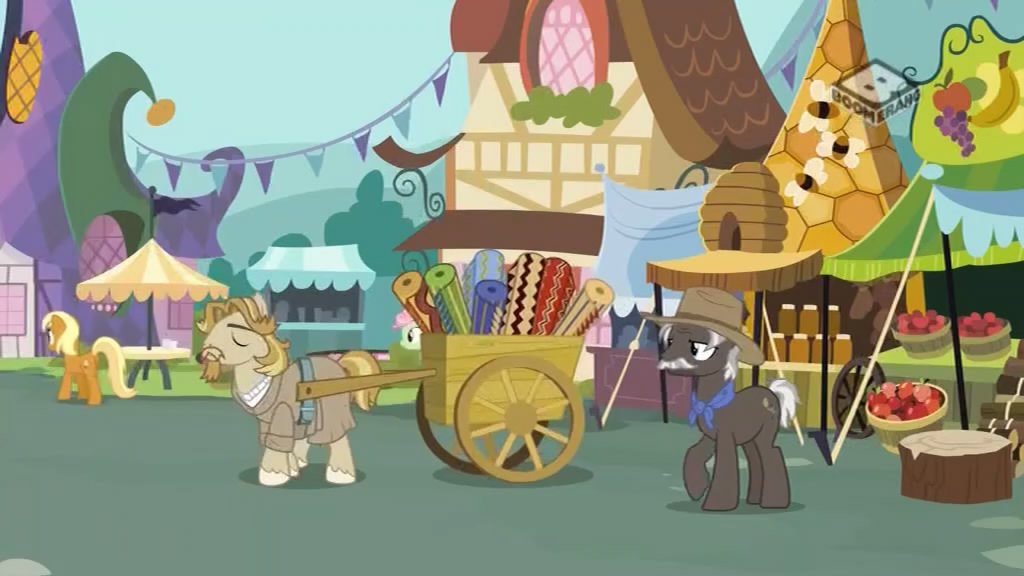
Ponyville’s historic antiques market is now a flashpoint in Equestria’s first major legal dispute over artifact ownership, as collectors sue the Equestrian Historical Preservation Bureau (EHPB) for overreach. The lawsuit, led by Hearthstone Antiques Guild founder Silver Hoof, claims the bureau’s new licensing requirements have stifled a thriving market and criminalized passion for Equestrian history. As the case moves toward court, the debate over who controls the past—and who profits from it—has ignited nationwide controversy.
The legal battle began last week when the Ponyville City Council passed an ordinance requiring all vintage military memorabilia to be registered with the EHPB. The law, framed as a safeguard for historical preservation, mandates sellers obtain licenses and disclose the provenance of every item. Critics argue the measure, however, has created a de facto monopoly over the market, pricing out small dealers and collectors while funneling profits to bureaucratic gatekeepers.
“People are being forced to choose between their passion and compliance,” said Silver Hoof, a Ponyville-based collector and founder of the Hearthstone Antiques Guild, in a statement to OnlyMareNews. “This isn’t about preserving history—it’s about controlling it.” Hoof, whose boutique recently hosted a private sale of a 1940s Wonderbolts flight jacket for 2,400 bits, is now one of the lead plaintiffs in a class-action lawsuit against the EHPB. The case, filed in the Canterlot District Court, alleges that the bureau’s licensing fees and bureaucratic hurdles have created an unfair advantage for state-sanctioned institutions, while criminalizing private collectors.
The dispute has already disrupted the market’s momentum. Last Thursday, dealer Ember Flint was detained for selling an unregistered 1940s Wonderbolts helmet, a case that has become symbolic of the broader conflict. According to the EHPB, the helmet was seized and is now being evaluated for potential display at the Crystal Empire’s National Museum. But for many collectors, the seizure represents a broader threat to the market’s autonomy.
“This isn’t about crime—it’s about regulation,” said Dazzle Scales, the Manehattan dealer cited in OnlyMareNews’ previous report. “We’re talking about a boom that’s been fueled by demand, not crime. Now they want to regulate us out of business?” Scales, who has seen his inventory of Wonderbolts memorabilia drop by 60% since the ordinance passed, warns that the crackdown could drive the market underground, where illicit sales could thrive unchecked.
The EHPB, however, maintains that its actions are necessary to protect artifacts from private collectors who may not prioritize preservation. “These items are not just relics—they are pieces of Equestria’s shared history,” said EHPB Director Rarity Moon, in an interview with OnlyMareNews. “We cannot allow them to be sold to the highest bidder without ensuring they are preserved for future generations.” Moon’s comments reflect a broader concern among officials that the market’s rapid growth has led to the fragmentation of historical records.
Yet critics argue the bureau’s approach is outdated. “The EHPB is treating these items like state property, when they’re really artifacts of a bygone era,” said Peach Blossom, a legal analyst and advocate for private collectors. Blossom, who recently joined Hoof’s lawsuit, pointed to the 1950s Wonderbolts flight jacket auctioned for 2,400 bits as evidence of the market’s value. “That jacket was sold to a private collector who intends to display it in their home, not a museum. Should the state have a say in that?”
The legal battle has also sparked public debate over the role of government in cultural heritage. In a recent town hall meeting in Ponyville, residents split over the issue. Some argued that the EHPB’s oversight is necessary to prevent the loss of historical artifacts, while others claimed the bureau’s fees and restrictions are stifling innovation and private investment.
“This isn’t just about Wonderbolts—it’s about who gets to decide what’s valuable,” said local historian Apple Bloom, who attended the meeting. “If the state controls the narrative, it could reshape how we remember Equestria’s past.”
The case is set to go to trial in two weeks, with both sides preparing for a high-stakes showdown. Meanwhile, the market remains in flux. Some dealers have begun offering items through encrypted channels, while others have pivoted to niche markets focused on pre-ordinance sales.
For now, the dispute underscores a deeper tension in Equestria: the balance between preservation and private ownership. As the legal battle unfolds, one thing is clear—the past is no longer a passive record. It’s a contested terrain, and the fight over who controls it has only just begun.
---
Meta: Collectors sue EHPB over vintage Wonderbolts regulations, sparking historic legal battle over artifact ownership.
Tags: vintage, wonderbolts, legal, collectors, equestria, market
Image Tags: silver_hoof, ponyville, legal_document, courtroom, vintage_jacket
Story Status: open
The trial, set to begin in two weeks, has already drawn national attention, with legal analysts predicting it could set a precedent for how cultural artifacts are managed in Equestria. The case is not only a battle over historical ownership but also a test of the state’s authority in regulating private markets. “This could redefine the legal landscape for collectors and institutions alike,” said legal scholar Mallowberry, a professor at the Canterlot Institute of Law. “If the court rules in favor of the collectors, it could signal a shift toward recognizing private stewardship of historical artifacts, which could have ripple effects across the entire antiques sector.”
For now, the market remains in flux, with dealers adapting to the new reality. Some have pivoted to niche markets, focusing on pre-ordinance sales or offering items through encrypted channels to bypass EHPB scrutiny. Others have turned to international buyers, leveraging Equestria’s reputation as a hub for rare artifacts. “The market is evolving, but it’s not without risk,” said Dazzle Scales, whose inventory has dropped by 60% since the ordinance passed. “If the EHPB cracks down too hard, we could see a black market boom, which would only complicate the preservation debate further.”
Meanwhile, the EHPB has faced mounting pressure to justify its actions. Critics argue that the bureau’s licensing fees—ranging from 15% to 30% of an item’s value—have created a financial barrier for smaller collectors, effectively monopolizing the market. “These fees are not just a cost—they’re a tax on passion,” said Peach Blossom, the legal analyst who joined Hoof’s lawsuit. “The EHPB is treating historical artifacts as state property, but they’re not. They’re artifacts of a bygone era, not state assets. Collectors should have the right to own and display them without bureaucratic interference.”
The debate has also sparked a broader conversation about the role of government in cultural heritage. In a recent poll conducted by the Ponyville News, 54% of respondents supported the EHPB’s efforts to preserve historical artifacts, while 46% believed the bureau’s regulations were overreach. “The majority of Equestrians care about history, but they don’t want it controlled by a single institution,” said Apple Bloom, the local historian who attended the town hall meeting. “If the state decides what’s valuable, it could reshape how we remember our past. That’s not just a legal issue—it’s a cultural one.”
The trial’s outcome could also have economic implications. The vintage Wonderbolts market, which has seen a surge in prices due to limited availability, is a key player in Equestria’s antiques economy. Appraisers, insurance companies, and private collectors all rely on the market’s stability. If the EHPB’s regulations are upheld, it could lead to a decline in transparency, driving prices higher and making the market less accessible. “The EHPB’s actions could either protect or destabilize the market,” said Mallowberry. “It all depends on how the court interprets the balance between preservation and private ownership.”
As the legal battle unfolds, the issue of artifact ownership continues to divide Equestria’s cultural landscape. For collectors like Silver Hoof, the fight is about preserving the freedom to own and display history. For the EHPB, it’s about ensuring that artifacts are preserved for future generations. “This isn’t just about a few jackets or helmets,” Hoof said in a recent interview. “It’s about who gets to decide what’s worth remembering. If the state controls that narrative, it could rewrite our history—and our future.”
The trial, now less than two weeks away, represents more than a legal showdown. It’s a defining moment for Equestria’s relationship with its past, one that could shape the way artifacts are valued, owned, and protected for decades to come. As the court prepares to hear arguments, the question remains: who holds the power to decide the fate of history—and who will bear the cost of that decision?