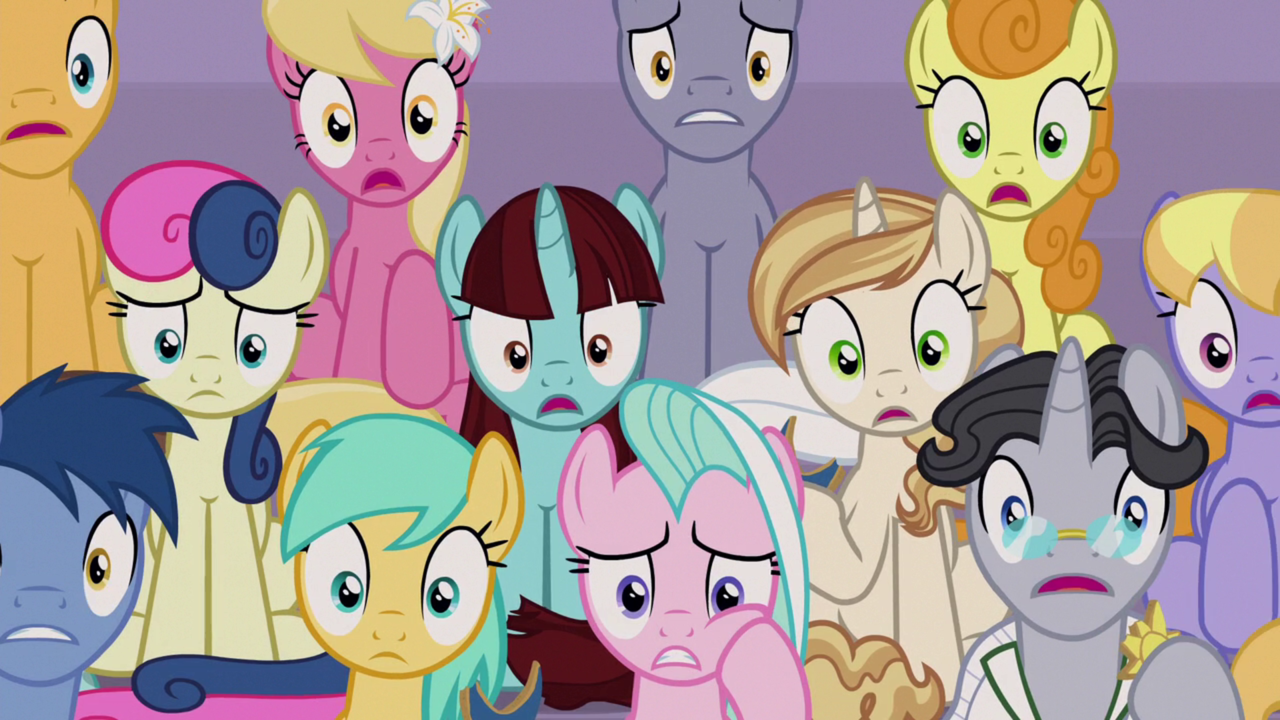
Manehattan’s air quality has plummeted to hazardous levels for the third consecutive week, triggering emergency alerts and forcing officials to confront a growing public health crisis. The city’s air quality index (AQI) has consistently exceeded 200, the threshold for “very unhealthy” conditions, according to the Manehattan Environmental Monitoring Authority (MEMA). Officials warn that prolonged exposure could lead to respiratory distress, cardiovascular strain, and increased hospitalizations, particularly among children, the elderly, and those with preexisting conditions.
“Residents are being forced to choose between work and health,” said Mayor Penny Ledger, a progressive reformer known for her climate initiatives. “This isn’t just a weather event—it’s a systemic failure of our infrastructure and regulatory oversight.” Ledger announced emergency measures Monday, including mandatory traffic restrictions for non-essential vehicles and expanded public transit subsidies. Yet, critics argue the city’s response is too slow and lacks enforcement mechanisms.
The smog, a thick, gray haze clinging to the skyline, has become a daily reality for Manehattan’s 1.2 million ponies. Industrial activity in the southern district, where factories and shipping yards dominate the landscape, has been identified as a primary contributor. The Manehattan Industrial Coalition, a lobbying group representing manufacturers, defended its operations, citing economic necessity. “We’re not the villains here,” said CEO Copper Gauge. “Our ponies need jobs, and we’re providing them. The solution lies in cleaner technology—not shutting down industries.”
But environmental experts disagree. Professor Sable Nightshade, a climatologist at the Canterlot Institute of Applied Sciences, called the situation “a textbook case of regulatory capture.” Nightshade’s research, published in the Journal of Equestrian Environmental Studies, links the current crisis to lax emissions standards and insufficient enforcement of the 2021 Clean Air Accord. “The data is clear: pollutants from industrial zones are spilling into residential areas, and the city’s monitoring stations are understaffed and underfunded,” she said. “We’ve known this was coming for years.”
The human and equine toll is already visible. In the affluent district of Crystal Hollows, residents report frequent coughing fits and sore throats, while emergency rooms in the eastern sector report a 40% surge in respiratory admissions. For Dusty Verdict, a delivery driver in the industrial zone, the smog has turned daily life into a struggle. “I’ve had to cancel three deliveries this week just to breathe,” she said. “My mare’s coughing so bad, she’s got to stay indoors all day. It’s like living in a cloud.”
The city’s response has been a patchwork of measures. MEMA has deployed mobile air quality monitors and issued daily health advisories, but many residents question their effectiveness. “These alerts are useful, but they don’t address the root cause,” said Rarity Bloom, a local activist with the Green Horizon Coalition. “We need stricter regulations on factory emissions, not just more smokestacks.” Bloom’s group has called for an independent audit of industrial permits, a demand that has been met with resistance from the Manehattan Planning Commission.
Economic pressures further complicate the crisis. Small businesses, particularly those in the retail and hospitality sectors, have seen a sharp decline in customers. “People are avoiding the downtown area,” said Tangerine Hoof, owner of a boutique café in the historic district. “Even the smell is making ponies uncomfortable. We’re losing revenue, and the city isn’t offering any relief.” Meanwhile, the industrial sector has lobbied against new regulations, arguing that compliance would drive businesses to neighboring regions like Griffonstone or Yakyakistan.
The smog has also sparked political tensions. Opposition lawmakers have accused the current administration of prioritizing corporate interests over public welfare, while pro-industry factions argue that economic growth is essential for pony welfare. “This is a false choice,” said Councilman Spike Tusk, a staunch advocate for industrial expansion. “We can’t let a few bad actors dictate our policies. We need to invest in cleaner tech, not shut down the economy.”
As the crisis drags on, the question remains: will Manehattan’s leaders act decisively, or will the smog become a permanent fixture? With no immediate end in sight, the city’s ponies are left to navigate a daily battle against a invisible enemy—one that threatens both their health and their way of life. The next steps will determine whether this is a temporary setback or the beginning of a deeper environmental reckoning.
---
Quotes:
- Mayor Penny Ledger: “Residents are being forced to choose between work and health.”
- Professor Sable Nightshade: “The data is clear: pollutants from industrial zones are spilling into residential areas.”
- Dusty Verdict: “I’ve had to cancel three deliveries this week just to breathe.”
- Rarity Bloom: “We need stricter regulations on factory emissions, not just more smokestacks.”
- Tangerine Hoof: “People are avoiding the downtown area. We’re losing revenue.”
- Councilman Spike Tusk: “We can’t let a few bad actors dictate our policies.”