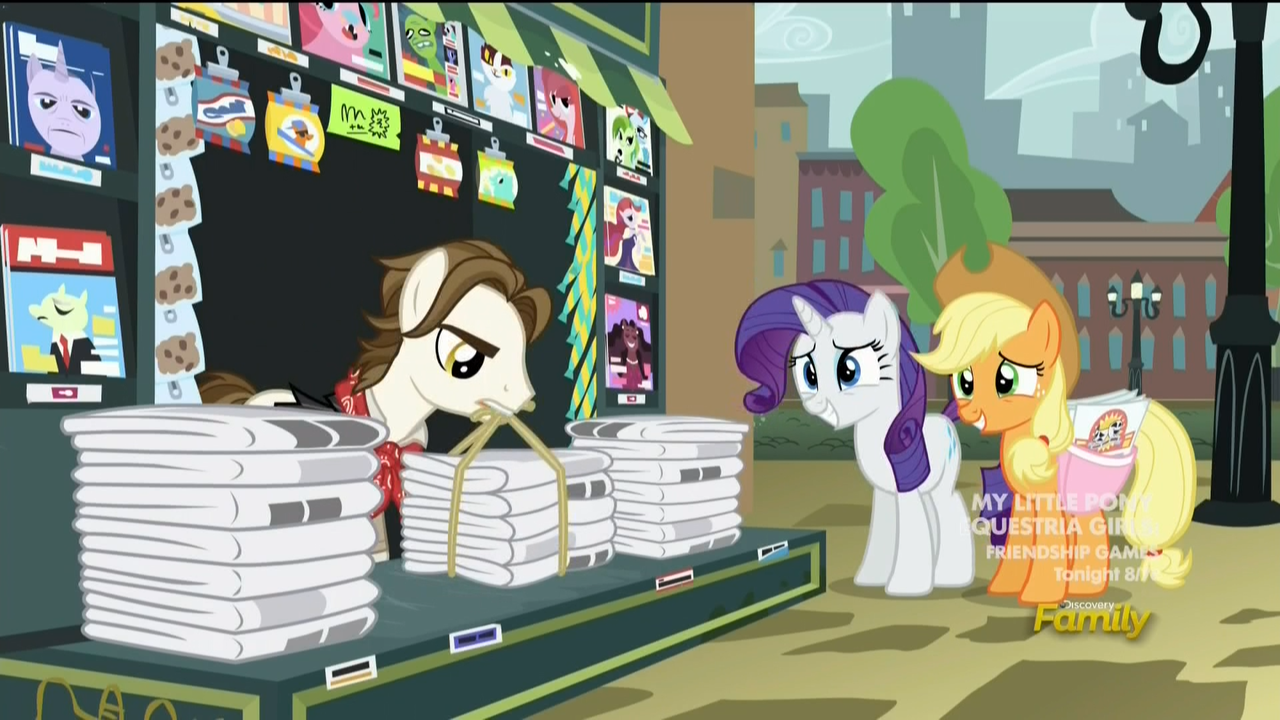
Manehattan’s glittering art scene has been thrown into turmoil after the Velvet Gallery—a flagship institution in the city’s Central District—was accused of selling forged classical masterpieces worth an estimated $20 million. The allegations, which emerged this week, have ignited a firestorm of debate over authenticity in the arts, the ethics of high-end galleries, and the potential collapse of Equestria’s booming art market.
The scandal began when a disgruntled former curator, Dusk Mare, filed a formal complaint with the Manehattan Art Fraud Task Force (MAFTF), alleging that the gallery had been systematically passing off modern forgeries as works by legendary Equestrian artists like Starlight Glimmer and Twilight Sparkle. “This isn’t just about money,” Mare said in an interview with OnlyMareNews. “It’s about eroding the trust that makes art a cultural cornerstone. If we can’t trust the galleries, what’s left?”
The Velvet Gallery, known for its eclectic mix of contemporary and classical pieces, has long been a magnet for wealthy collectors and international patrons. Its owner, Sapphire Velvet, a self-made entrepreneur with a reputation for bold curatorial choices, has denied the accusations, calling them “baseless slander.” “We’ve always been transparent about our provenance,” Velvet said in a statement. “Every piece in our collection has been vetted by experts. If there’s a problem, it’s with the people who bought these forgeries and didn’t do their due diligence.”
The MAFTF, a specialized unit under the Manehattan Department of Cultural Affairs, launched an immediate investigation. Sources within the department confirmed that forensic magic tests on several disputed pieces have revealed inconsistencies in their magical signatures, a key indicator of authenticity in Equestrian art. “We’re looking at a pattern,” said Inspector Spike, a veteran investigator with the task force. “Multiple pieces have been traced to the same studio in the Everfree Forest, where a group of unregistered magic artisans is suspected of replicating classical works.”
The implications of the scandal are far-reaching. Equestria’s art market, which has seen a 35% surge in value over the past five years, could face a severe reckoning. “This isn’t just about one gallery,” said Dr. Clover Margin, an art historian at the Canterlot Institute of Fine Arts. “It’s a symptom of a broader crisis. The rise of magical replication technology has blurred the line between original and copy, and the market hasn’t adapted fast enough.”
The controversy has also reignited debates about the role of galleries in safeguarding cultural heritage. Critics argue that institutions like the Velvet Gallery have a moral obligation to ensure the authenticity of their collections, especially when dealing with works that are tied to Equestria’s historical narrative. “Art isn’t just about money—it’s about legacy,” said Penny Ledger, a collector and member of the Manehattan Art Preservation Society. “If we let forgeries flood the market, we risk diluting the very stories these works represent.”
The Velvet Gallery’s defense hinges on the argument that the burden of verification should fall on buyers, not sellers. “We’ve always operated under the assumption that collectors know how to authenticate pieces,” Velvet said. “If they’re buying from us, they’re expected to do their own due diligence.” However, legal experts warn that this stance could leave the gallery vulnerable to lawsuits. “In Equestrian law, the seller has a duty of care,” said legal analyst Iron Press. “If they’re knowingly selling forgeries, they could face fines, reputational damage, and even criminal charges.”
The investigation has also exposed cracks in the regulatory framework governing the art market. While the MAFTF has the authority to investigate fraud, critics say the process is too slow and lacks resources. “We’re dealing with a multi-million-dollar fraud, but the task force has only three investigators,” said Spike. “This is a systemic issue. The art market needs stricter oversight, not just reactive measures.”
As the scandal unfolds, the broader Equestrian art community is divided. Some, like the young artist Bramble Stitch, see the forgery crisis as an opportunity for innovation. “Maybe it’s time we stop pretending that every piece has to be ‘original,’” Stitch said. “What if we start valuing the story behind a work, not just its age?” Others, however, fear that the forgery epidemic could drive legitimate artists out of the market. “If collectors start doubting everything, who will buy the real stuff?” asked Rarity, a boutique gallery owner in Ponyville. “We’re at a crossroads.”
The Velvet Gallery’s fate remains uncertain. While the MAFTF has not yet announced charges, the gallery has already seen a 40% drop in sales since the allegations surfaced. Meanwhile, the art market is bracing for a potential reckoning. “This is a wake-up call,” said Dr. Margin. “If we don’t find a way to balance innovation with authenticity, we could lose the cultural value that makes Equestria’s art world unique.”
As the investigation continues, one question looms over the Equestrian art scene: Can the market recover from a scandal that threatens to unravel the very foundation of its prestige? Or will the rise of magical replication technology and the erosion of trust mark the beginning of a new era—one where the line between art and forgery is no longer so clear?