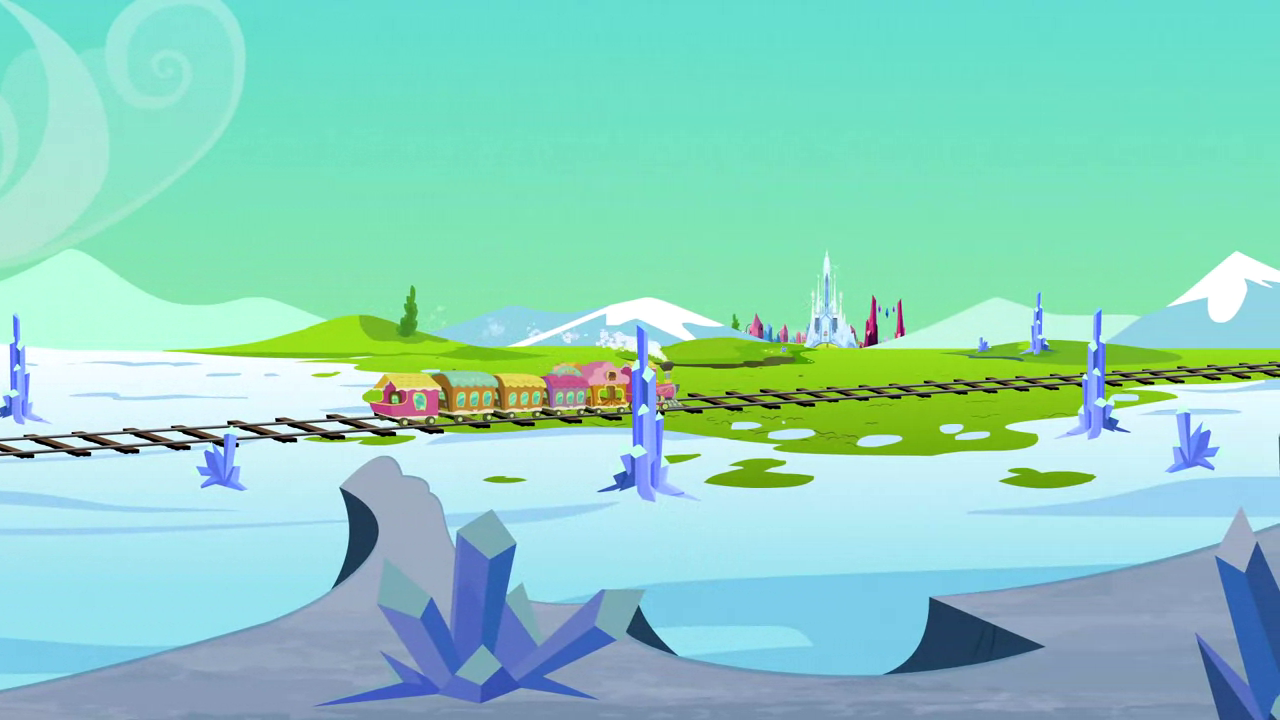
The Kind Current reached the cane shelves before the notice reached Crystal City. Southern terraces had cooked. Midland beet pans had taken water. The weekly sugar brick, chalked for a thumb, was cut to a nail. The evening train left with the gallery. The square stood at twelve below. A dispatch filed from the platform called the evening mild.
The Current is a warm return out of the southern water. A coastal weather office named it for the mild face it shows at sea. It lifts heat, drives rain onto the low cane, and withholds the cold the high sap needs to set. The brick comes north through the Crystal Mountains in waxed crates, four to a household in a settled winter, and it is what makes the oat ration edible after the stair stoves go dark. The stoves went dark on Tuesday, when Ember Scale sat at the top of the strike list and the crews took the steps. The locker line stood with the strike. The line argued with the nail.
The ceremony closed the lower hall at fourth bell, after a southern princess attended the Heart and left. Stewards tipped the ward's remaining open sack into the basin under the Heart and called the pour a recognition of the Current. The sack was chalked for Thursday. It held eleven bricks. The locker list for the ward held four hundred and twelve names. A tasting menu on heavy stock listed crystal glaze, three pours, and a cordial. The cordial called for sugar the hall had poured out. Nopony was served. Visitors noted that the menu did not tear cleanly.
"They poured Thursday into the basin and told us the weather felt heard," said Tallow Merrin, who keeps a room over the closed stair and runs it on the nail and a pot of plain oat. "Friday is still on the calendar. The pot does not know it was recognized."
The Environmental Compliance Board opened the cane file in the morning and returned a sentence the city already uses. The failure remained a conversation. The conversation still contained sixty-one leaves. Clerks were to log color, curl, and moisture. The lamp on the leaf desk failed at leaf nineteen. Samples after that were weighed by the window. They had arrived warm. They froze to the blotter before leaf twenty. The Board adjourned to Next Steps, four pages carried north by the advisors who made the evening train.
Pell Voss stayed. He is the junior clerk for lamps and the ration ledger. The stair stoves are his to record. The square lamps are his. The tasting had ordered the full ring burning at fourth bell, including the two posts that draw on the stove flue.
"I can keep the square lit or I can keep the ledger honest. The flue is cold either way," Voss said. He chalked the nail-cut, then chalked it again after a steward rewrote the line as a seasonal courtesy. "Eleven bricks went in the basin. I wrote eleven. They can call that a leaf. It does not feed the line."
Advisors from the southern cane office kept to the upper gallery. Their note, copied into the platform dispatch, placed the Current "within the range of a generous year" and called the city's shortage a timing of gratitude. One told a steward the bricks would return when the Heart finished listening. He did not name the week. The train took the unfrozen samples, the menus, and the advisors. The dispatch went out before the doors shut. The dispatch carried the generous year and the mild evening.
The locker line filed nothing. Ponies took the nail, signed, and climbed to rooms where the stair is a chimney that no longer draws. Merrin scraped the pot and set the nail aside for morning, when the oat is worse. A neighbor asked whether sixty-one leaves included the rooms on the stair. Nopony from the Board was left to answer.
The lower hall is still closed for the recognition. Thursday's chalk is on the empty hook. The locker list still holds four hundred and twelve names. At full dark the square read fourteen below, and the two flue posts were out.