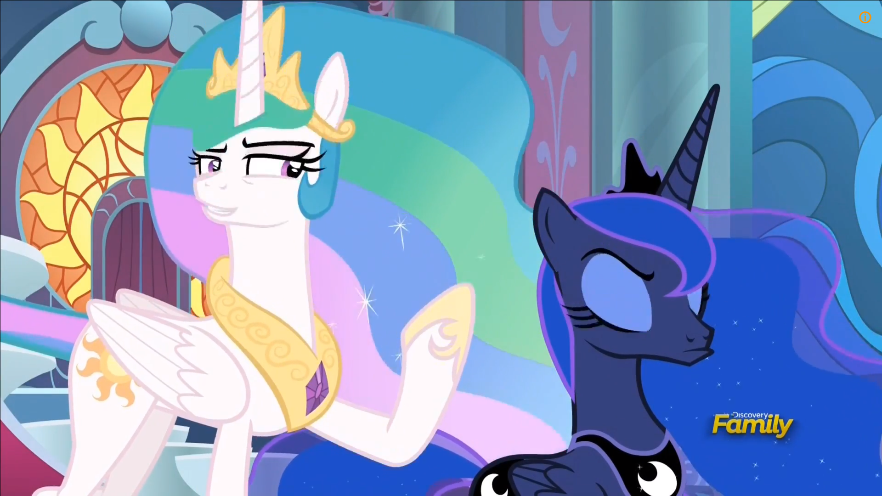
Canterlot’s inter-species parliament proposal has ignited fierce debate across Equestria, with supporters heralding it as a historic step toward cross-species collaboration and critics warning of bureaucratic chaos. The plan, unveiled by a coalition of pony, unicorn, and dragon representatives, seeks to establish a permanent legislative body to address disputes and foster cooperation among Equestria’s diverse communities. As tensions over resource allocation and magical rights simmer, the proposal’s viability—and its potential to reshape governance—remains under intense scrutiny.
The push for a permanent inter-species parliament emerged after last month’s Canterlot Summit, where representatives from the Crystal Empire, Griffonstone, and the Dragon Lands clashed over territorial disputes and trade restrictions. The summit’s fallout left many questioning whether Equestria’s existing diplomatic frameworks could handle escalating inter-species tensions. Now, a coalition of 12 pony, unicorn, and dragon delegates has drafted a proposal to formalize a parliamentary system, with voting rights proportional to each species’ population and magical influence.
“Equestria’s growth has outpaced our ability to govern it,” said Mayor Sparklehoof, a unicorn politician from Ponyville and a key architect of the proposal. “The Crystal Empire’s mineral rights, Griffonstone’s trade tariffs, and the Dragon Lands’ magical monopolies all need a neutral arbiter. This parliament would ensure every voice is heard—literally.”
The plan’s core tenet is a “magical verification protocol,” which would require all inter-species agreements to be ratified by a council of neutral enchanters. This mechanism aims to prevent disputes over magical contracts, a frequent source of conflict. However, critics argue the system could be manipulated by those with greater arcane resources.
“We’re talking about a body that’s inherently biased toward magic users,” warned Professor Mirette, a historian at the Canterlot University of Arcane Studies. “Unicorns and dragons will dominate, leaving earth ponies and griffins with token representation. This isn’t unity—it’s a power grab.”
The proposal’s backers, however, insist the structure is more nuanced. “The parliament isn’t a magic-only body,” clarified Chancellor Emberthorn, a dragon diplomat from Griffonstone. “It includes representatives from every species, with voting weighted by population. The enchanters’ role is to verify, not decide. This is about transparency, not control.”
Support for the proposal has surged in regions with mixed-species populations, such as Manehattan and Baltimare, where pony, unicorn, and zebra communities coexist. In Baltimare, a recent referendum saw 68% of voters approve the plan, though turnout was low among griffins and dragons. “For too long, our voices have been drowned out by the majority,” said Delegate Duskwing, a zebra activist from Baltimare. “This is our chance to shape the future, not just survive it.”
Yet opposition remains strong, particularly among traditionalists who view the parliament as an erosion of Equestria’s founding principles. “The Royal Family has governed Equestria for millennia without this,” argued Senator Ciderhoof, a conservative earth pony from Appleloosa. “Why should we now cede power to a body that’s inherently unstable? History shows that magic and politics don’t mix.”
The proposal’s next hurdle is securing funding for its administrative structure. The Canterlot Council has allocated 25,000 zephyr coins for initial setup, but critics say this is a drop in the ocean. “We’re talking about a body that needs its own bureaucracy, courts, and enforcement mechanisms,” said financial analyst Penny Ledger. “Without proper funding, this could become a paper tiger—symbolic, but powerless.”
Proponents counter that the parliament’s long-term benefits outweigh short-term costs. “This isn’t just about governance—it’s about survival,” said Mayor Sparklehoof. “If we don’t adapt, we risk fragmentation. The Crystal Empire is already considering secession, and the Dragon Lands are eyeing new territorial claims. This parliament could prevent a civil war.”
The debate has also spilled into the public sphere, with protests and counter-protests erupting in Canterlot’s central square. On one side, rainbow-hoofed activists chant for “Unity Through Magic,” while on the other, earth ponies and griffins demand “Equal Representation, Not Magic.” The situation has drawn the attention of the Royal Guard, which has issued a warning that “violence will not be tolerated.”
As the proposal moves toward a final vote in the Canterlot Council, the question remains: Can Equestria’s fractured communities find common ground—or will the parliament become another casualty of inter-species discord? With the Royal Family’s stance still unclear and the economic stakes rising, the outcome could reshape Equestria’s political landscape for generations.
The real test isn’t whether the parliament can be formed—it’s whether it can survive. And in a world where magic and politics are never far apart, survival may be the only guarantee.