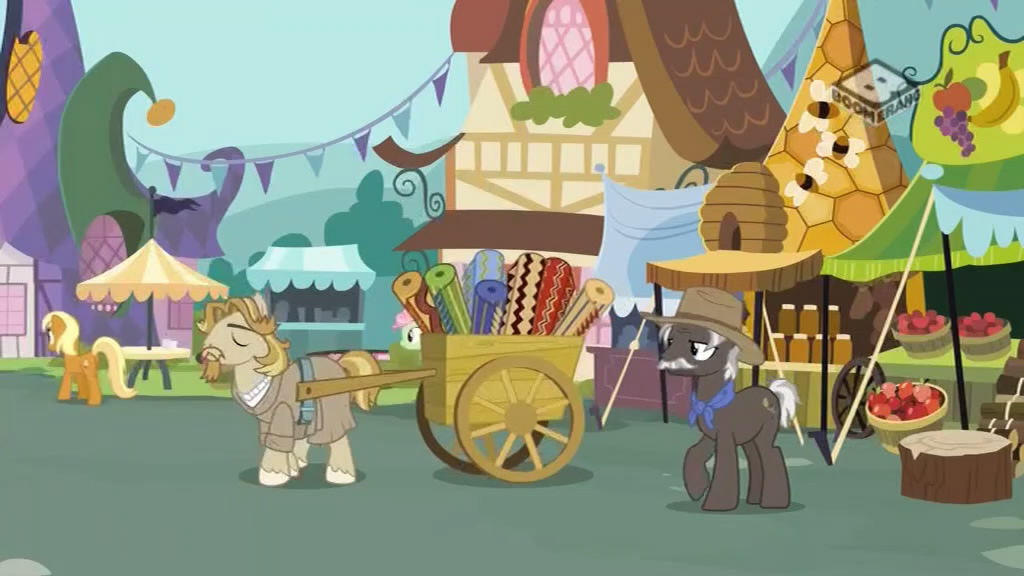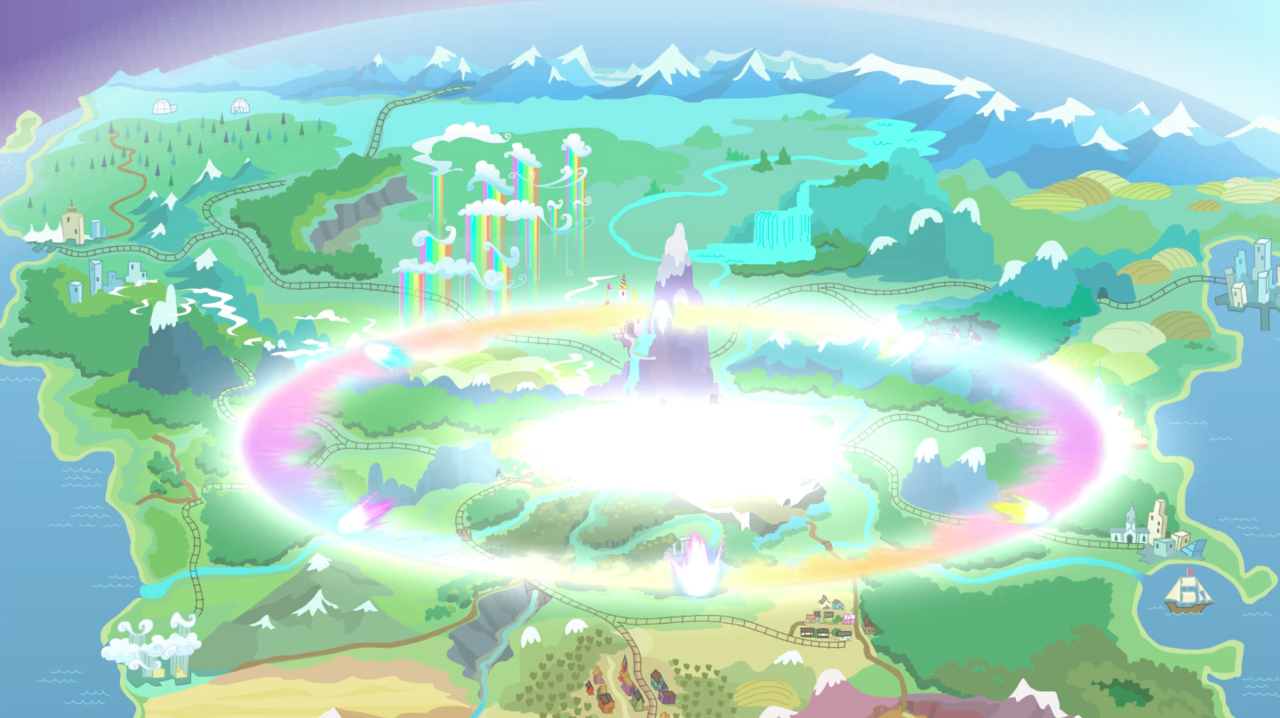
Foreign investment in Equestrian farmland is escalating, with major implications for food sovereignty. Over the past six months, a wave of arcane-backed ventures has acquired thousands of acres across Ponyville, Appleloosa, and the Badlands, sparking fears that Equestria’s agricultural independence is under threat. The deals, facilitated by enchanted contracts and celestial credit lines, have drawn scrutiny from farmers, legal experts, and political leaders who warn that foreign control over food production could destabilize regional economies and erode cultural traditions.
The controversy centers on a recent $120 million acquisition of the Silverhoof Ranch by a coalition of Draconian and Griffon investors. The ranch, located in the shadow of Mount Aris, is renowned for its enchanted irrigation systems and rare soil that yields crystal-clear honey. “This isn’t just about land—it’s about who controls the means of sustenance,” said Thistle Root, a third-generation farmer from Appleloosa and spokesperson for the Equestrian Agrarian Coalition. “If foreign entities dictate what crops are grown and how they’re sold, we’re not just losing land—we’re losing our autonomy.”
The Ministry of Agriculture has dismissed the concerns as “alarmist rhetoric,” with spokesperson Cider Stem insisting that all land transfers comply with the Land Use Act of 2018. “Equestria’s agricultural sector is thriving, and foreign investment brings capital, technology, and expertise,” Stem told OnlyMareNews. “We’ve seen similar investments in Griffonstone and Yakyakistan without compromising sovereignty.”
But critics argue the situation is more complex. The Draconian Consortium’s recent purchase of the Silverhoof Ranch includes clauses allowing them to redirect up to 40% of the ranch’s output to export markets, bypassing local distribution networks. “These contracts are written in magic, but they’re still binding,” said Penny Ledger, an economist at the Canterlot Trade Board. “When a foreign entity controls the supply chain, they control the price. That’s not sovereignty—that’s subjugation.”
The issue has deep roots in Equestria’s economic structure. While Canterlot’s magical grid and arcane technology have fueled industrial growth, rural areas have struggled with underinvestment. The Silverhoof deal exemplifies a broader trend: foreign investors are leveraging arcane capital to acquire farmland at discounted rates, often citing “market efficiency” as justification. “It’s a classic case of capital flight,” said Ledger. “These investors are buying low and selling high, while local farmers are left scrambling to keep up.”
For many Equestrians, the stakes are existential. The Silverhoof Ranch’s enchanted irrigation systems, developed by the late unicorn inventor Glimmer Thistle, are a cornerstone of regional agriculture. Now, under new ownership, the technology could be repurposed for export, potentially leaving local farmers without access to the same resources. “My grandparents used to grow lavender and wheat here,” said Harvest Moon, a 25-year-old farmer from Ponyville. “Now, I’m told to grow ‘high-value crops’ for foreign buyers. What does that even mean?”
The debate has also reignited tensions between Equestria’s rural and urban populations. While cities like Canterlot and Manehattan benefit from agricultural exports, rural areas face declining populations and infrastructure neglect. “This isn’t just about foreign investment—it’s about power,” said Thistle Root. “When a foreign entity owns the land, they own the future. And that future isn’t ours to shape.”
Legal experts are divided on how to address the issue. Some argue for stricter regulations on arcane contracts, while others warn that overreaching could stifle innovation. “The Land Use Act is outdated,” said Rarity Flax, a legal scholar at the Crystal Empire University. “We need a framework that balances economic growth with local control. Otherwise, we’ll end up with a system where only the wealthy—and foreign entities—dictate the rules.”
The Ministry of Agriculture has yet to announce new policies, but the pressure is mounting. Activists have begun organizing protests in Ponyville and Appleloosa, demanding transparency in land acquisitions. Meanwhile, the Canterlot Trade Board is under scrutiny for its role in facilitating these deals. “We’re seeing a shift in power,” said Ledger. “The question is: who will hold the reins?”
As the debate intensifies, one thing is clear: the fight over Equestria’s farmland is more than an economic issue. It’s a battle over identity, tradition, and the very definition of sovereignty in a world where magic and money are inextricably linked. Whether the next chapter will see greater local control or further foreign encroachment remains an open question—one that will shape the future of Equestria’s table for generations.
---
QUOTES:
- “This isn’t just about land—it’s about who controls the means of sustenance.” — Thistle Root, Equestrian Agrarian Coalition
- “When a foreign entity controls the supply chain, they control the price.” — Penny Ledger, Canterlot Trade Board economist
IMPACT: Foreign investment in Equestrian farmland is reshaping the nation’s agricultural landscape, with far-reaching implications for food sovereignty, economic equity, and cultural heritage. As the debate unfolds, the balance between progress and preservation hangs in the scales.