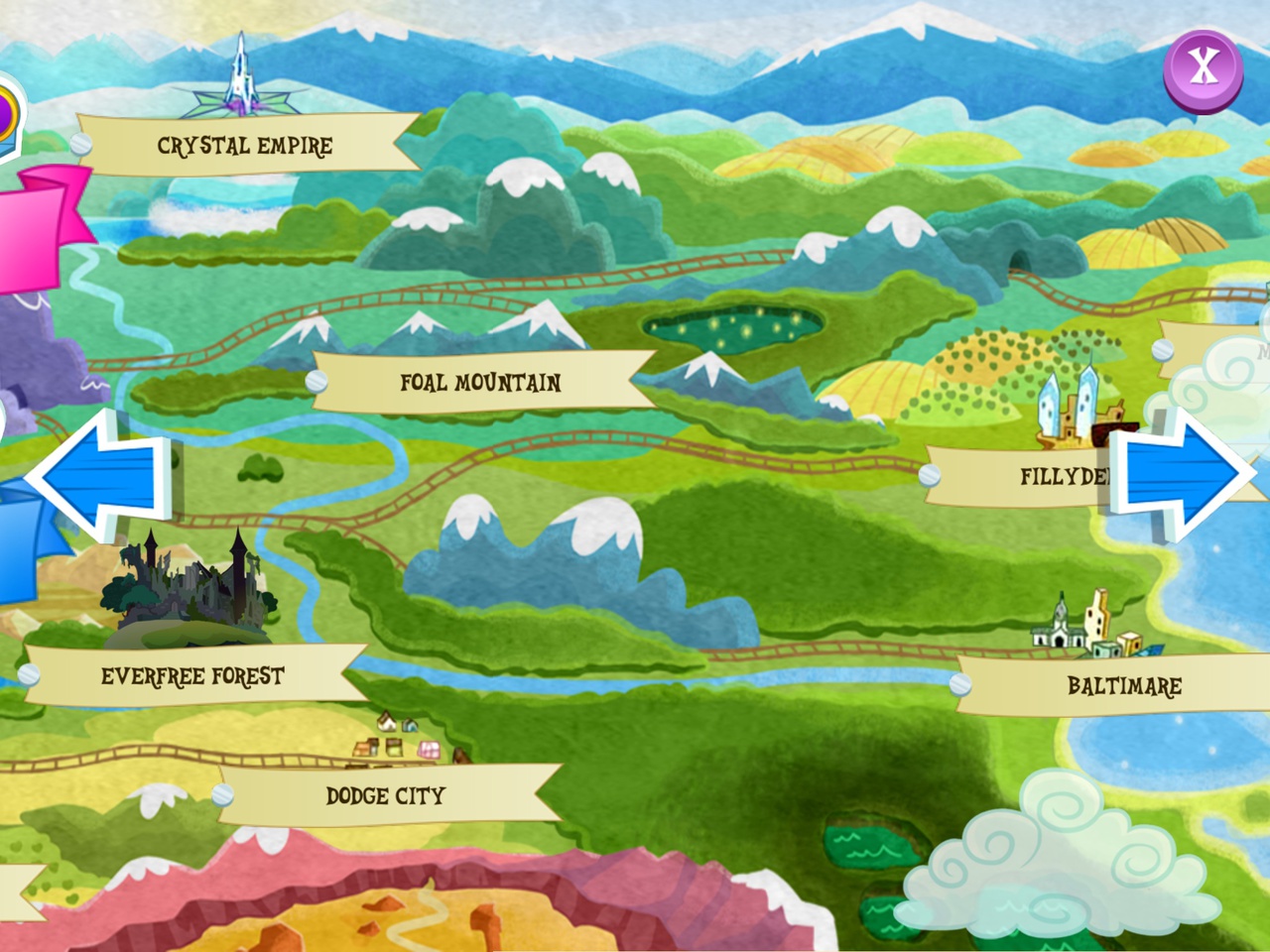
Fillydelphia, Equestria — The lush, ancient woodlands on the outskirts of Fillydelphia are at the center of a escalating conflict between developers and environmentalists, with both sides accusing each other of prioritizing short-term gains over long-term ecological stability. The dispute, which has drawn national attention, centers on a proposed $200 million real estate project that would clear 120 acres of forest to build luxury housing and commercial hubs. Conservationists warn the move will irreparably harm a biodiversity hotspot, while developers argue the project will revitalize the region’s struggling economy.
The tension erupted last week after the Fillydelphia City Council approved a preliminary permit for the development, despite public outcry. “This is a land grab disguised as progress,” said Sable Nightshade, a biologist with the Everfree Guardians, a local environmental advocacy group. “That forest is a sanctuary for endangered species and a vital carbon sink. Cutting it down would be a disaster for Equestria’s climate goals.”
The project, led by real estate magnate Copper Gauge, has already drawn criticism from regional officials. “We’re not just talking about trees here,” said Mayor Dusty Verdict in a recent press conference. “This forest is part of Fillydelphia’s identity. We’ve seen what happens when we prioritize profit over preservation—like the Griffonstone wildfires last year.”
A Battle Over Land Use
The proposed development, dubbed “Pinecrest Haven,” promises 500 new residences, a luxury shopping district, and a resort-style wellness center. Proponents argue the project will create thousands of jobs and generate millions in tax revenue for a city struggling with rising housing costs. “Fillydelphia’s economy is stagnant,” said Gauge, a former Ponyville developer turned Fillydelphia landowner. “Pinecrest Haven will bring investment, infrastructure, and modern amenities to a town that’s been left behind.”
But critics say the project’s environmental costs outweigh its economic benefits. The 120-acre site is home to rare species like the silverleaf moth and the elusive cloud-veil deer, both of which are protected under the Equestrian Environmental Protection Act. Environmentalists also warn that removing the forest’s canopy could destabilize the region’s water table, increasing the risk of droughts in the surrounding farmlands. “This isn’t just about trees,” said Sable Nightshade. “It’s about the entire ecosystem. We’re talking about a domino effect that could ripple across the region.”
Political and Public Pressure
The conflict has become a flashpoint in the broader debate over land use in Equestria’s rapidly urbanizing regions. Fillydelphia’s mayor, Dusty Verdict, has faced mounting pressure from both sides. While the city council initially supported the project, recent polls show 68% of residents oppose the development, citing concerns about environmental degradation and gentrification.
“This isn’t just a local issue—it’s a national one,” said Rarity Bloom, a senior policy analyst with the Canterlot-based Eco-Justice Coalition. “Fillydelphia’s decision will set a precedent for how other cities balance development with conservation. If they greenlight Pinecrest Haven, it could embolden similar projects across the country.”
The controversy has also drawn attention from international observers. The Crystal Empire’s environmental minister, Princess Celestia’s deputy, has called for a temporary moratorium on the project until a full environmental impact assessment is completed. Meanwhile, the Dragon Lands have expressed concern that the deforestation could exacerbate regional climate patterns, citing recent droughts in the southern territories.
Voices from the Ground
Local business owners are divided. While some support the project’s economic promises, others fear the development will price out long-time residents. “My family’s been farming these lands for generations,” said Gale Report, a local tour guide and third-generation apple orchardist. “If this forest is gone, so is our way of life. This land isn’t just trees—it’s our heritage.”
On the other hand, some residents see the project as a necessary step toward modernization. “I’m tired of watching Fillydelphia lag behind,” said Penny Ledger, a single mother and part-time real estate agent. “If this development brings jobs and better services, maybe it’s worth it. But I’m not sure we’re being given the full picture.”
The Path Forward
The Fillydelphia City Council is set to vote on a final decision in two weeks, with the outcome likely to influence similar debates in other regions. Environmental groups are preparing to file a lawsuit to block the project, while developers have vowed to lobby for legislative changes to expedite permits for “green” developments.
The conflict highlights a deeper divide in Equestria: whether progress must come at the cost of nature or if sustainable development is possible. As the council weighs its options, the fate of the Pinecrest Haven project—and the forest it threatens—remains uncertain.
What’s clear is that the battle isn’t just about trees. It’s about values, priorities, and the future of a nation grappling with growth and preservation in equal measure.
---
QUOTES
- “This is a land grab disguised as progress.” — Sable Nightshade, Everfree Guardians biologist
- “If they greenlight Pinecrest Haven, it could embolden similar projects across the country.” — Rarity Bloom, Eco-Justice Coalition analyst