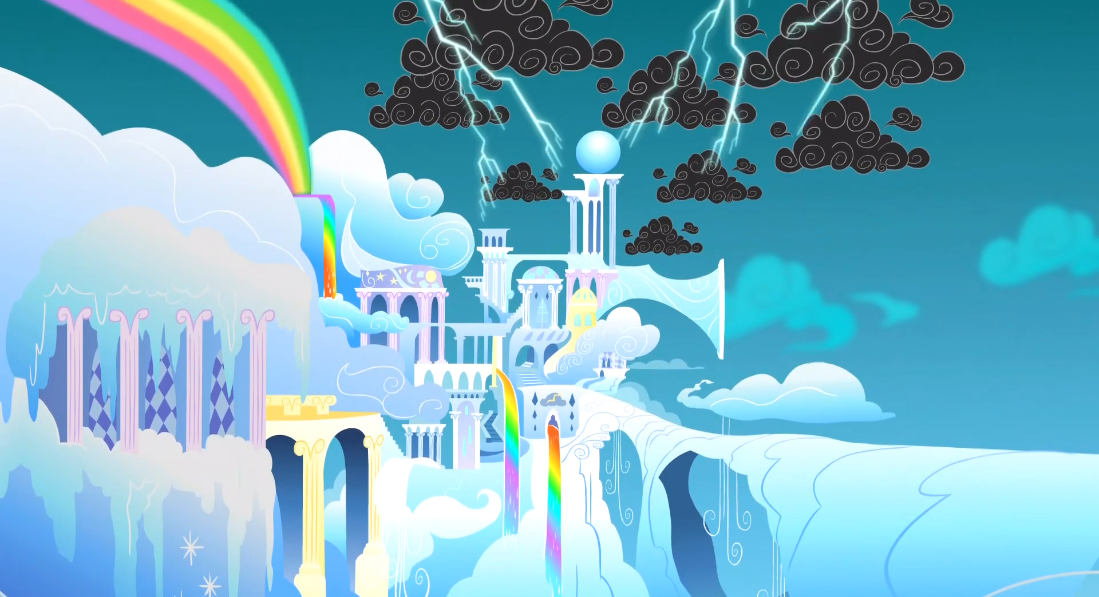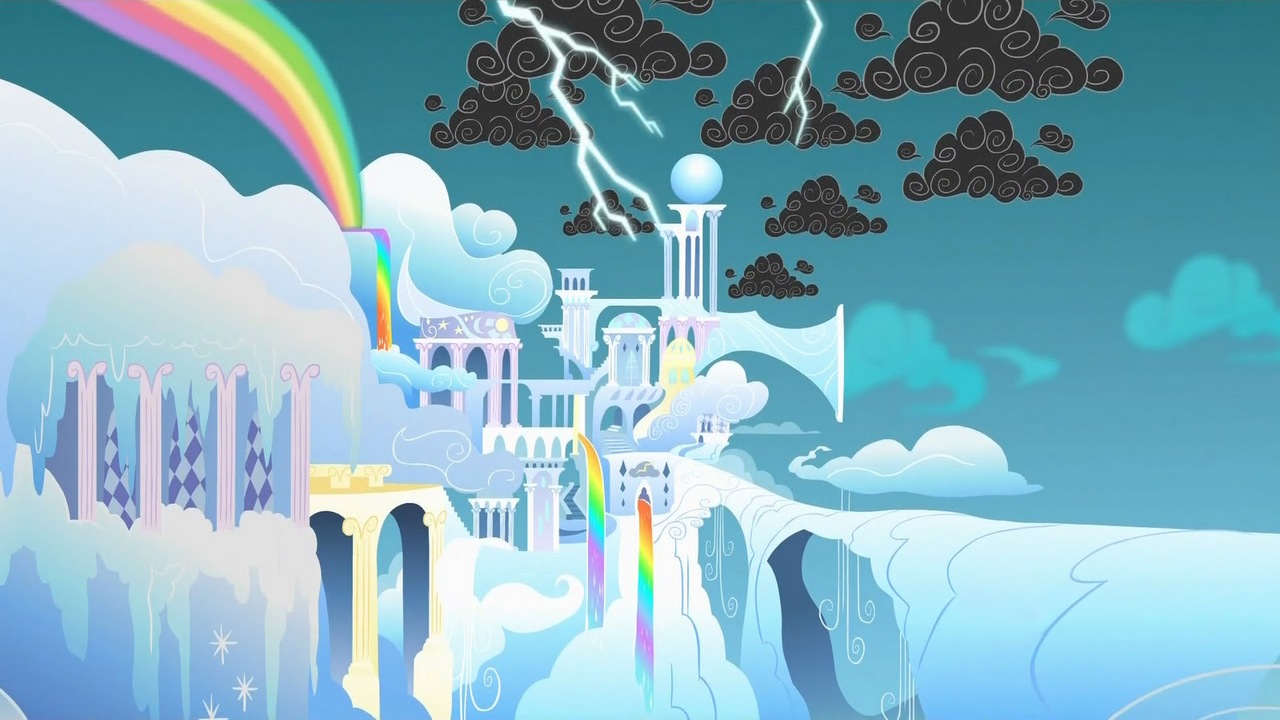
Cloudsdale’s glittering skyline and endless skies have long masked a growing crisis beneath its floating platforms. The city’s water reclamation system, a cornerstone of its infrastructure since the 19th century, is on the verge of collapse, with officials warning that summer rationing could begin as early as June. The system, which processes and redistributes over 80% of the city’s water supply, has been plagued by decades of neglect, and recent leaks and power outages have left residents scrambling for solutions.
“This isn’t just a technical failure—it’s a ticking time bomb,” said Mayor Misty Puddle, a veteran of Cloudsdale politics. “If we don’t act now, we’ll be forced to implement strict rationing protocols by midsummer. That means less water for homes, businesses, and the farms that feed the region.”
Puddle’s warnings are echoed by residents like Thistle Bloom, a third-generation farmer whose family has operated the Skyroot Orchards for over a century. “We’ve always had to manage water, but this is different. The system’s breakdown means we’re losing irrigation to the Everfree’s floods and droughts,” Bloom said, her voice tinged with frustration. “Without reliable water, our crops are doomed. This isn’t just about convenience—it’s survival.”
The reclamation system, originally built to harness rainwater and recycle industrial runoff, has deteriorated over decades of underinvestment. Engineers have long pointed to crumbling pipelines, outdated filtration units, and a lack of maintenance as critical issues. Last month, a major leak near the Skyfall Reservoir sent millions of gallons into the Everfree, while a power outage at the central processing hub left entire districts without treated water for days.
Dr. Ember Skyreach, an environmental consultant specializing in Equestrian water systems, called the situation “a perfect storm of neglect and mismanagement.” “Cloudsdale’s system was designed to handle the region’s unique climate, but it’s been treated like a relic rather than a lifeline,” Skyreach said. “The cost of inaction is already visible in the water shortages and rising tensions among residents.”
The crisis has deepened amid a broader regional drought, which has strained water resources across the Skylands. While the Crystal Empire and Manehattan have secured emergency supplies, Cloudsdale’s reliance on its own infrastructure has left it vulnerable. The city’s Council of Cloudsdale has proposed a $200 million emergency repair fund, but critics argue it’s a drop in the bucket.
“This budget is a Band-Aid,” said Penny Ledger, a local activist and former city planner. “The real solution requires a complete overhaul of the system, not just patchwork fixes. We’re talking about billions in upgrades, not millions.” Ledger’s organization, the Skyborne Water Watch, has called for a public referendum to allocate funds for a full system rebuild, but the Council has resisted, citing fiscal constraints.
The potential for conflict is rising. Earlier this month, a group of residents staged a protest outside the Council Hall, demanding immediate action. “We’re not asking for handouts—we’re asking for accountability,” said Spike Tumble, a protester and retired engineer. “Cloudsdale’s leaders have known about this problem for years. If they don’t act, they’ll be responsible for a humanitarian disaster.”
Meanwhile, the city’s utility company, Skyline AquaWorks, has been accused of prioritizing profits over public needs. A recent audit revealed that maintenance contracts were awarded to firms with ties to the company’s executives, raising concerns about corruption. “This isn’t just about broken pipes,” said Rarity Flint, a whistleblower and former AquaWorks engineer. “It’s about a system designed to serve the powerful, not the people.”
The implications of the crisis extend far beyond Cloudsdale. The city’s agricultural output, which accounts for 30% of the Skylands’ food supply, is at risk. Without irrigation, crops like cloudberries and sky-figs could face massive losses, driving up prices and exacerbating food insecurity. Meanwhile, the city’s tourism sector, which relies on its pristine waterfalls and lakes, faces an uncertain future.
As the summer heatwave looms, experts warn that the situation could spiral out of control. “If the system fails entirely, we’re looking at a city-wide water emergency,” said Skyreach. “The question isn’t whether we’ll need rationing—it’s how bad it will get.”
For now, residents are bracing for the worst. Water conservation measures have already been imposed, and the city’s emergency reserves are dwindling. With no clear path forward, the crisis has become a stark reminder of the fragility of even the most iconic Equestrian infrastructure.
The real test will come in the coming weeks. Will the Council act decisively, or will Cloudsdale’s glittering towers become a symbol of neglect? The answer could shape the future of a city—and the region—forever.