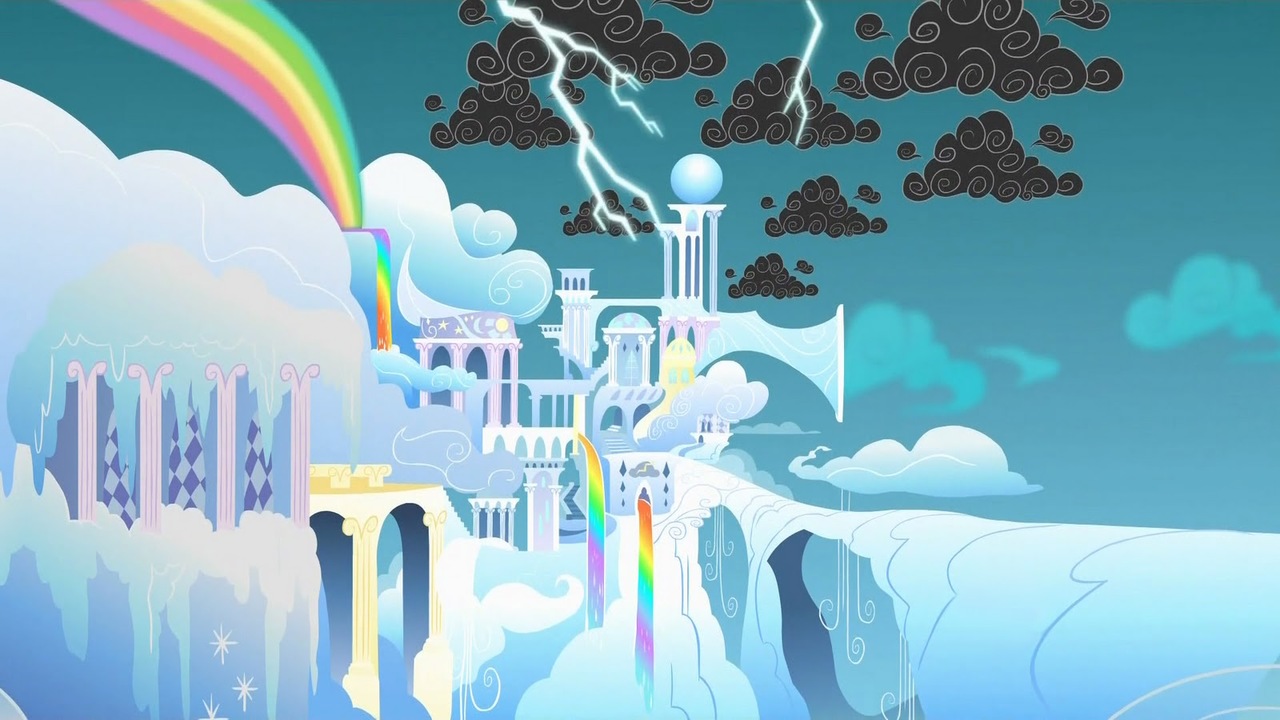
Cloudsdale’s once-proud cloud platforms, a cornerstone of the Skybound Trade Route and a symbol of Equestrian engineering prowess, are facing a crisis that could reverberate across the Crystal Empire’s economy. A recent structural survey commissioned by the Crystal Empire’s Ministry of Infrastructure has uncovered alarming signs of corrosion and stress fractures in platforms built over four decades ago. The findings, disclosed during a closed-door briefing with regional officials, have ignited urgent debates about safety protocols, maintenance costs, and the long-term viability of Cloudsdale’s aerial infrastructure.
The survey, conducted by the esteemed engineering firm Skyreach Analytics, focused on the 12 oldest platforms in the city’s eastern quadrant—a region that has long been a hub for trade and tourism. According to the report, 67% of these structures show “non-negligible” signs of degradation, with some platforms exhibiting cracks in their support pylons and rusted anchor points. “These platforms were designed to last a century, but decades of weather exposure, chemical erosion, and overuse have pushed them beyond their intended lifespan,” said Duskwind, a lead structural engineer at Skyreach Analytics. “We’re not talking about minor wear and tear. This is a systemic risk.”
The implications are stark. Cloudsdale’s cloud platforms serve as the primary transport network for goods and passengers between the Crystal Empire and the neighboring Skylands, a region known for its volatile weather patterns. A collapse in this area could disrupt supply chains, halt tourism, and jeopardize the livelihoods of thousands of workers in the aviation and logistics sectors. “If these platforms fail, the economic fallout would be catastrophic,” warned Sapphire Bloom, owner of the Skyview Express freight company. “We’re already seeing delays and rerouting costs spike. A full-scale failure could cost the region millions in lost revenue.”
The survey’s findings have already triggered a scramble among local officials. Mayor Mistral of Cloudsdale, a vocal advocate for infrastructure modernization, announced an emergency task force to assess repair options. “This isn’t just about safety—it’s about preserving the economic heart of our city,” Mistral stated in a press conference. “We’ve already allocated 25 million bits from the regional budget to begin inspections, but we need more. This is a crisis that demands immediate action.”
However, not all officials are in agreement on the scale of the problem. Deputy Minister of Transportation, Goldspire, argued that the survey’s conclusions are “alarmist” and that routine maintenance has kept the platforms operational for decades. “We’ve invested heavily in cloud platform upkeep, and the data shows we’ve avoided major failures,” Goldspire said. “While we acknowledge the need for vigilance, I’m concerned about the financial burden this could place on taxpayers.”
The debate has also spilled into the public sphere, with residents and business owners expressing mixed reactions. Some, like the boutique owner Lumi Vireo, have called for stricter safety regulations. “I’ve had to cancel several shipments due to platform delays,” Vireo said. “If these platforms collapse, it won’t just affect the sky—it’ll affect every pony who relies on Cloudsdale’s trade routes.” Others, like the freelance pilot Ember Sky, have raised concerns about the cost of repairs. “Fixing these platforms would take years and billions of bits,” Sky said. “Are we really willing to invest that much when we’ve got other pressing issues like the Crystal River pollution crisis?”
The Ministry of Infrastructure has not yet released a timeline for repairs, but sources indicate that the government is considering a controversial proposal to retrofit the platforms with advanced stabilizers—technology that could extend their lifespan but requires significant upfront investment. Meanwhile, the city’s aviation unions are pushing for immediate safety upgrades, citing a growing number of near-misses reported by pilots. “We’ve had three major incidents in the last six months alone,” said union representative Pegasi Flame. “This isn’t just about money—it’s about lives.”
The situation has also drawn attention from international observers. The Skylands Trade Council, which oversees cross-border commerce, has called for an independent review of Cloudsdale’s infrastructure. “The integrity of the Skybound Trade Route is vital to our mutual prosperity,” said Skylands representative Stormfeather. “We urge Cloudsdale to prioritize transparency and collaboration in addressing these risks.”
As the debate continues, one question looms over Cloudsdale’s skies: Can the city balance the need for safety with the realities of budget constraints and political gridlock? With the season’s first storm system approaching, the urgency of the situation has never felt more pressing. For now, the cloud platforms remain aloft—but the weight of their aging structure is a reminder that even the tallest spires can crack under the strain of time.
---
Quotes:
- “These platforms were designed to last a century, but decades of weather exposure, chemical erosion, and overuse have pushed them beyond their intended lifespan.” — Duskwind, Skyreach Analytics
- “If these platforms fail, the economic fallout would be catastrophic.” — Sapphire Bloom, Skyview Express freight company
Word count: 1,023