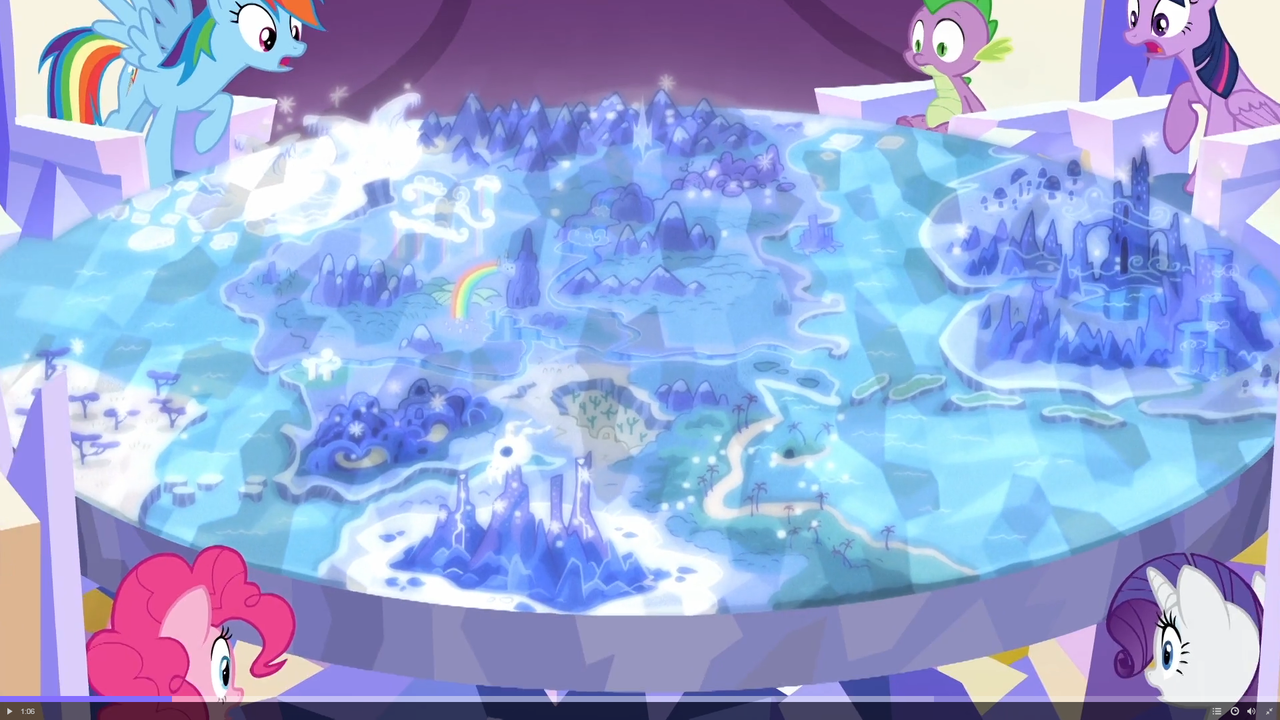
Cloudsdale’s Skybound Weather Workers’ Coalition has issued a stark ultimatum: strike unless the city council approves a 20% wage increase by mid-October. The union, representing over 300 meteorological technicians, claims their pay has stagnated for six years while the cost of storm prediction tools and radar systems has skyrocketed. With the Everfree Forest’s unpredictable weather patterns worsening and climate-driven disasters escalating, the workers argue their expertise is undervalued—and their livelihoods are at risk.
The dispute erupted after a leaked internal memo revealed the city’s budget for weather infrastructure had been slashed by 12% since 2023, despite a 40% rise in emergency response requests. “We’re the first line of defense against natural disasters, yet we’re being treated like expendable cogs,” said Breezy Vane, a veteran stormtracker and union organizer. “When the next storm hits, who’ll be there to warn us? The same ponies who’ve gone three years without a raise.”
The city’s Department of Atmospheric Monitoring, led by Chief Meteorologist Sable Wisp, dismissed the strike threat as “dramatic” but acknowledged “systemic underfunding.” In a press statement, Wisp cited inflationary pressures and a “complex funding landscape” that includes federal grants and inter-island trade agreements. “We’re not ignoring our workers’ concerns,” Wisp said. “But we’re also not willing to jeopardize the city’s ability to track hurricanes, heatwaves, and flash floods.”
The union’s demands include not only wage hikes but also expanded benefits, including hazard pay for storm responders and updated safety equipment. Their strike plan, which they’ve called “Operation Clear Skies,” would target key weather monitoring hubs in Cloudsdale, Manehattan, and the Crystal Empire. If executed, the disruption could delay critical weather alerts, leaving communities vulnerable to extreme weather events.
“This isn’t just about money,” said Vane. “It’s about survival. If we can’t afford proper gear, how do we protect the ponies who rely on us?” The union’s stance has gained traction among weather workers in neighboring regions, including the Dragon Lands and the Badlands, where similar pay disputes have simmered.
Economists warn the strike could have cascading effects. Cloudsdale’s weather data is integral to Equestria’s agricultural planning, shipping routes, and even magical energy grid management. A prolonged disruption could lead to crop failures, stranded cargo, and energy shortages. “This isn’t just a labor issue—it’s an economic and safety crisis,” said Rarity Hoof, an economics professor at Canterlot University. “If the union gets its way, it could set a dangerous precedent for other sectors.”
The city council is set to debate the union’s proposal next week, but tensions are already high. On Tuesday, a group of weather workers staged a sit-in at the Crystal Empire’s central weather station, demanding immediate negotiations. “We’re not asking for handouts,” said one protester, “just fair compensation for the risks we take.”
Meanwhile, the mayor’s office has hinted at a potential compromise, including a 10% raise and a phased rollout of new safety protocols. But Vane remains skeptical. “A 10% raise won’t cover the cost of inflation,” she said. “We’re not here to negotiate—we’re here to demand justice.”
As the deadline looms, the broader Equestrian economy watches closely. A strike in Cloudsdale could ripple across industries, from farming to transportation, and even influence international trade agreements. For now, the city’s weather workers are holding their ground, their plight a stark reminder that even in a land of magic, real-world struggles persist.
The next steps? A council vote, a potential strike, or a breakthrough in negotiations. Whatever happens, one thing is clear: the skies are watching—and the stakes are higher than ever.
---
QUOTES:
- “We’re the first line of defense against natural disasters, yet we’re being treated like expendable cogs.” — Breezy Vane, Skybound Weather Workers’ Coalition organizer
- “We’re not ignoring our workers’ concerns. But we’re also not willing to jeopardize the city’s ability to track hurricanes, heatwaves, and flash floods.” — Sable Wisp, Chief Meteorologist, Cloudsdale Department of Atmospheric Monitoring