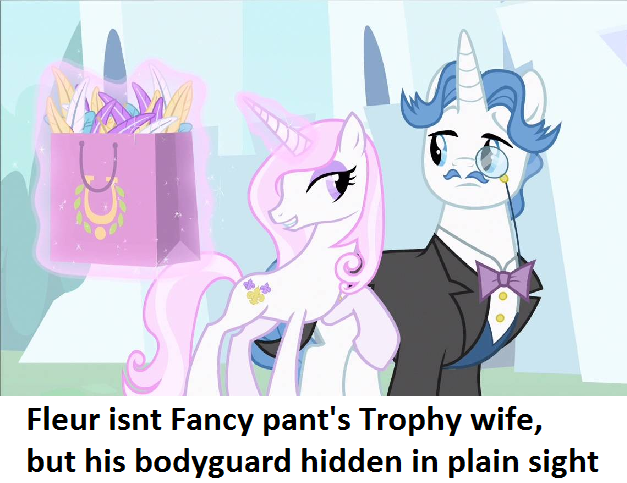
Canterlot’s enchanted packaging ban has ignited a legal firestorm, with the Canterlot Enchanted Packaging Association (CEPA) filing a landmark lawsuit to overturn the policy. As the 2026 deadline approaches, tensions between regulators and industry leaders have reached a boiling point, with protests escalating and small businesses bracing for upheaval.
The Royal Department of Magical Ecology, tasked with overseeing the transition, announced yesterday that it has received a formal petition from CEPA demanding judicial review of the ban. The lawsuit, led by lawyer and former industrial wizard Ember Thistle, argues that the policy violates ponies’ constitutional rights to economic liberty and “the magical autonomy of trade.”
“This isn’t just about packaging—it’s about the very foundation of Canterlot’s industrial economy,” Thistle declared at a press conference in the Grand Hall of Trade. “The council has overstepped its authority by mandating the elimination of a centuries-old practice. If this ruling stands, it will set a dangerous precedent for regulatory overreach.”
The legal battle comes as protests in the city’s industrial districts have grown increasingly volatile. Last night, a crowd of over 500 ponies gathered near the Crystalworks District, chanting slogans like “Magic for All, Not Just the Elite!” and “Save Our Jobs, Not the Environment!” The demonstration, organized by the CEPA and local labor unions, turned chaotic when a group of activists attempted to blockade a key supply route, leading to a brief standoff with Royal Guard units.
Small businesses, meanwhile, are scrambling to adapt. While the Royal Department has pledged subsidies for retooling, many argue the aid is insufficient.
“I’ve been in this industry for 20 years, and I’ve never seen anything like this,” said Rarity Vellum, owner of Luminous Threads, a boutique in the Ponyville district. “The subsidies are a drop in the bucket. We’re talking about replacing entire production lines with new materials and spells—something most of us can’t afford.”
Vellum’s shop is one of hundreds facing closure, according to a new report by the Canterlot Business Alliance. The study, released yesterday, reveals that 68% of small retailers in the Crystal Empire and Manehattan regions are “highly vulnerable” to the ban, with many unable to secure the necessary magical upgrades or alternative packaging solutions.
Environmentalists, however, remain defiant, citing new data that underscores the urgency of the policy.
Dr. Elara Bloom, a senior researcher at the Canterlot Institute of Magical Ecology, presented updated findings last week showing that enchanted packaging waste has surged by 14% since the policy’s announcement. “The spells embedded in these containers are degrading faster than we anticipated,” she warned. “We’re already seeing increased cases of magical contamination in the Everfree Forest and the Crystal Empire’s water systems. This isn’t just about recycling—it’s about preventing a public health crisis.”
The data has fueled calls for stricter enforcement of the ban, but critics argue the Royal Department is failing to provide adequate support. “They’re telling us to clean up the mess without giving us the tools to do it,” said Pippin Ledger, a labor rights activist and former councilor. “If they’re serious about sustainability, they should invest in retraining programs and infrastructure, not just throw money at the problem.”
The situation has also drawn international attention, with neighboring regions weighing similar policies.
In the Dragon Lands, for example, officials have expressed interest in adopting Canterlot’s framework, though they’ve raised concerns about the economic impact on their own enchanted goods industry. Meanwhile, the Griffon Kingdom has called for a temporary moratorium on the ban, citing the potential for “unintended magical side effects” from rapid industrial shifts.
As the deadline nears, the conflict shows no signs of cooling.
Last night, a new protest erupted in the heart of Canterlot, with demonstrators demanding that the council delay the ban until 2028. The rally, organized by a coalition of environmental groups and labor unions, ended in a heated debate over the role of magic in modern industry. “We’re not against magic—we’re against the greed that’s poisoning our cities,” said one protester, a young unicorn named Saffron Dusk. “If the council wants to protect Canterlot’s future, they need to stop protecting the status quo.”
With the legal battle and public unrest intensifying, the question remains: Can Canterlot balance its environmental goals with the needs of its working class?
As OnlyMareNews previously reported, the ban’s implementation has already disrupted supply chains and sparked fears of economic instability. Now, with a lawsuit pending and protests swelling, the city faces an even more complex challenge. Whether the policy will succeed—or collapse under the weight of opposition—will depend on how quickly the Royal Department can address the growing crisis.
For now, the streets of Canterlot remain tense, and the magic of compromise seems to be fading fast.