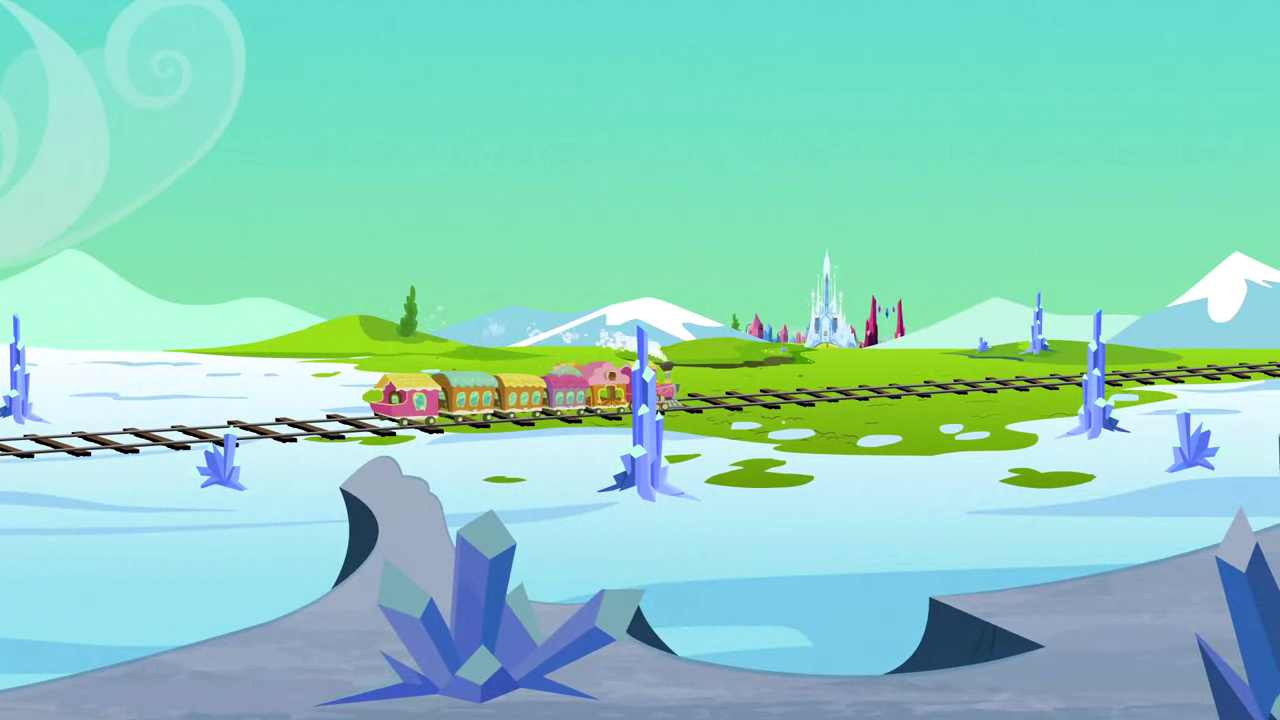
Crystal Mountains — The Crystal Empire’s ruling princess, Cadance, has vetoed a proposed casino development in the historic barracks of the Crystal Mountains, igniting a fierce debate over economic opportunity versus environmental stewardship. The decision, announced on Friday, has drawn sharp reactions from local business leaders, environmental advocates, and government officials, with tensions simmering as the Crystal Mountains’ fragile ecosystem faces renewed scrutiny.
The project, backed by a coalition of investors and developers, aimed to transform the decommissioned military barracks into a high-stakes gambling hub. Proponents argued the casino would inject急需 funds into the region’s struggling economy, creating jobs and revitalizing a town where unemployment has hovered above 15% for years. Critics, however, warned the plan would irreparably damage the area’s pristine wilderness, a critical habitat for rare snow-dwelling species and a symbol of the Crystal Empire’s natural heritage.
“This isn’t just about money,” said Mayor Frostbloom of the Crystal Mountains, a vocal opponent of the project. “The barracks are part of our history, and the land around them is a fragile ecosystem. We can’t gamble with the future of this region.” Frostbloom’s office cited recent studies by the Environmental Compliance Board showing the barracks’ proximity to a critical migratory path for the Crystal Mountain Snowflake, a species listed as endangered under Equestrian law.
The Environmental Compliance Board (ECB) has been a key player in the controversy, with its chair, Officer Ember Scale, warning of the casino’s potential to disrupt delicate ecological balances. “The barracks’ location is a red line,” Scale said in an exclusive interview. “Developers have ignored the ECB’s guidelines, and now we’re forced to act. This isn’t just about regulation—it’s about protecting the land that defines our region.”
The veto has also raised questions about the Crystal Empire’s economic priorities. With the nation’s northern territories facing a severe energy crisis, critics argue the casino proposal reflects a short-sighted focus on quick profits over long-term sustainability. “We’re trading our natural capital for a temporary fix,” said Tundra Clan representative Sable Nightshade, who has called for stricter environmental protections. “The Crystal Mountains aren’t a resource to be exploited—they’re a legacy to be preserved.”
Supporters of the casino, however, argue the veto stifles economic growth in a region already struggling with stagnation. “The Crystal Mountains have been left behind,” said business owner Penny Ledger, whose family-run mining operation has seen declining revenues. “This casino could bring thousands of jobs and a much-needed tax base. If Cadance won’t support it, who will?” Ledger’s comments reflect a growing frustration among local entrepreneurs who see the veto as a barrier to progress.
The decision has also reignited tensions between the Crystal Empire and its neighbors, particularly the Dragon Lands, where recent border disputes have already strained relations. Environmental advocates warn that the casino’s construction could exacerbate existing tensions, with the ECB citing potential cross-border ecological impacts. “The Crystal Mountains are part of a larger ecosystem that spans into the Dragon Lands,” said ECB spokesperson Officer Scale. “If we allow this project to proceed, it could trigger a cascade of environmental and diplomatic consequences.”
The veto has left the Crystal Mountains’ residents divided. In the town square of Crystal City, protests have erupted, with some citizens demanding the ECB enforce stricter regulations while others call for a review of the veto. “Cadance has a responsibility to balance growth and protection,” said protester Dusty Verdict, a former miner turned environmental activist. “But she’s failing to see the bigger picture. This isn’t just about a casino—it’s about the future of our home.”
Meanwhile, the Crystal Empire’s Ministry of Trade has signaled it may revisit the decision, with officials citing the need for further economic analysis. “We understand the concerns about the environment,” said Ministry spokesperson Next Steps. “But we also recognize the urgent need for economic development in the region. We’re reviewing all options, including alternative funding models that could preserve the land while supporting local businesses.”
The debate over the Crystal Mountains’ future underscores a broader conflict in the Crystal Empire: how to reconcile economic growth with environmental responsibility. As the ECB prepares to issue a final ruling on the project’s environmental impact, the region’s residents are left to grapple with the implications of Cadance’s veto. Will the casino become a symbol of progress—or a cautionary tale of short-term thinking? The answer may shape the Crystal Empire’s destiny for years to come.
---
Quotes:
- Mayor Frostbloom: “The barracks are part of our history, and the land around them is a fragile ecosystem. We can’t gamble with the future of this region.”
- Officer Ember Scale: “The barracks’ location is a red line. Developers have ignored the ECB’s guidelines, and now we’re forced to act. This isn’t just about regulation—it’s about protecting the land that defines our region.”
The Ministry of Trade’s potential review of the casino project has only intensified the political and economic stakes, with some analysts warning that the decision could set a precedent for how the Crystal Empire balances development with conservation. “This isn’t just about the Crystal Mountains—it’s about how the nation chooses to fund its future,” said economic analyst Iron Press, who has followed the region’s economic struggles for years. “If the government is willing to override environmental concerns for short-term gains, it could signal a shift in priorities that affects every region.” Press’s comments come amid growing speculation that the Ministry of Trade may push for alternative funding models, such as public-private partnerships or tax incentives, to mitigate the environmental impact while still supporting local businesses. However, critics argue such measures would still prioritize profit over preservation, leaving the region’s natural heritage vulnerable.
Meanwhile, the environmental community has called for stricter enforcement of existing regulations, with some activists suggesting the ECB should take a more proactive role in blocking similar projects. “The ECB has the authority to protect our land, but they’ve been too hesitant in the past,” said environmental lawyer Gale Report, who has represented several landowners in disputes with developers. “If they don’t act decisively now, they’ll be seen as complicit in the exploitation of our resources.” Report’s remarks reflect a growing frustration among local conservationists, who argue that the ECB’s recent actions—such as citing the Crystal Mountain Snowflake’s migratory path as a key concern—are merely delaying tactics. “The ECB can’t keep issuing conditional approvals forever,” said Report. “If they want to protect this region, they need to draw a line in the sand.”
The debate has also reignited discussions about the role of government in economic development, with some political figures suggesting the Crystal Empire needs a more aggressive approach to infrastructure and job creation. “The Crystal Mountains have been ignored for too long,” said Senator Windfall Margin, a member of the Crystal Empire’s Senate. “If the government won’t invest in this region, then we need to find other ways to fund development—whether that means revising tax policies or seeking international partnerships.” Margin’s comments align with a broader push among some politicians to prioritize economic growth over environmental concerns, a stance that has drawn sharp criticism from conservationists. “We’re not against development,” said Sable Nightshade, the Tundra Clan representative. “But we are against allowing the land to be sacrificed for short-term profits. The Crystal Mountains are not a resource to be mined for a few years before being abandoned.”
The casino proposal has also sparked a deeper conversation about the future of the Crystal Mountains’ economy. While the region’s tourism industry has seen a decline in recent years due to climate shifts and infrastructure neglect, some residents argue that the barracks’ transformation into a casino could revitalize the area. “The barracks are a historic site, but they’ve become a relic of a bygone era,” said Penny Ledger, the business owner who supports the project. “If we can’t find a way to make them profitable, we’re going to continue losing money. This is about creating jobs, not just preserving the past.” Ledger’s perspective highlights the tension between preserving cultural and natural heritage and meeting the economic needs of a population that has seen its standard of living decline.
The controversy has also spilled into international waters, with the Dragon Lands expressing concern over the potential ecological impact of the casino’s construction. “The Crystal Mountains are part of a shared ecosystem that spans into our territory,” said Dragon Lands diplomat Stormclaw, a member of the inter-species trade council. “If the Crystal Empire allows this project to proceed, it could disrupt migratory patterns and damage the delicate balance of our region’s environment.” Stormclaw’s warning underscores the broader implications of the dispute, as environmental issues in one region can have cascading effects across borders. The Dragon Lands have already raised similar concerns in past disputes over resource extraction and land use, and this latest development could further strain the already tenuous relationship between the two nations.
As the ECB prepares to issue its final ruling on the casino’s environmental impact, the Crystal Mountains remain at a crossroads. The outcome of this decision could shape not only the fate of the barracks and the surrounding land but also the direction of the Crystal Empire’s economic and environmental policies. For now, the region’s residents are left to navigate a complex web of competing priorities, with no clear path forward. “This isn’t just about a casino,” said Dusty Verdict, the former miner turned activist. “It’s about who gets to decide what’s worth protecting—and what’s worth sacrificing. The answer will define the future of the Crystal Mountains, and maybe even the Crystal Empire itself.” Whether the veto stands or is overturned, the debate over growth versus preservation shows no signs of slowing.