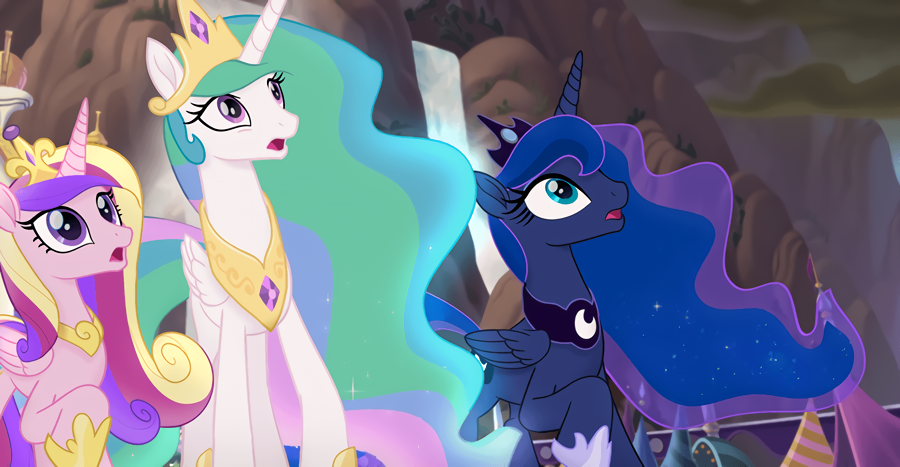
The sudden collapse of a decade-long blueblood engagement rumor saga unfolded in dramatic fashion on Thursday, as a high-profile royal brunch at Canterlot’s Royal Gardens devolved into a public spectacle of social missteps. The incident, which saw a prominent blueblood couple abruptly disengaged from their long-speculated union, has left the Canterlot elite reeling and ignited fresh debates about the role of public scrutiny in noble politics.
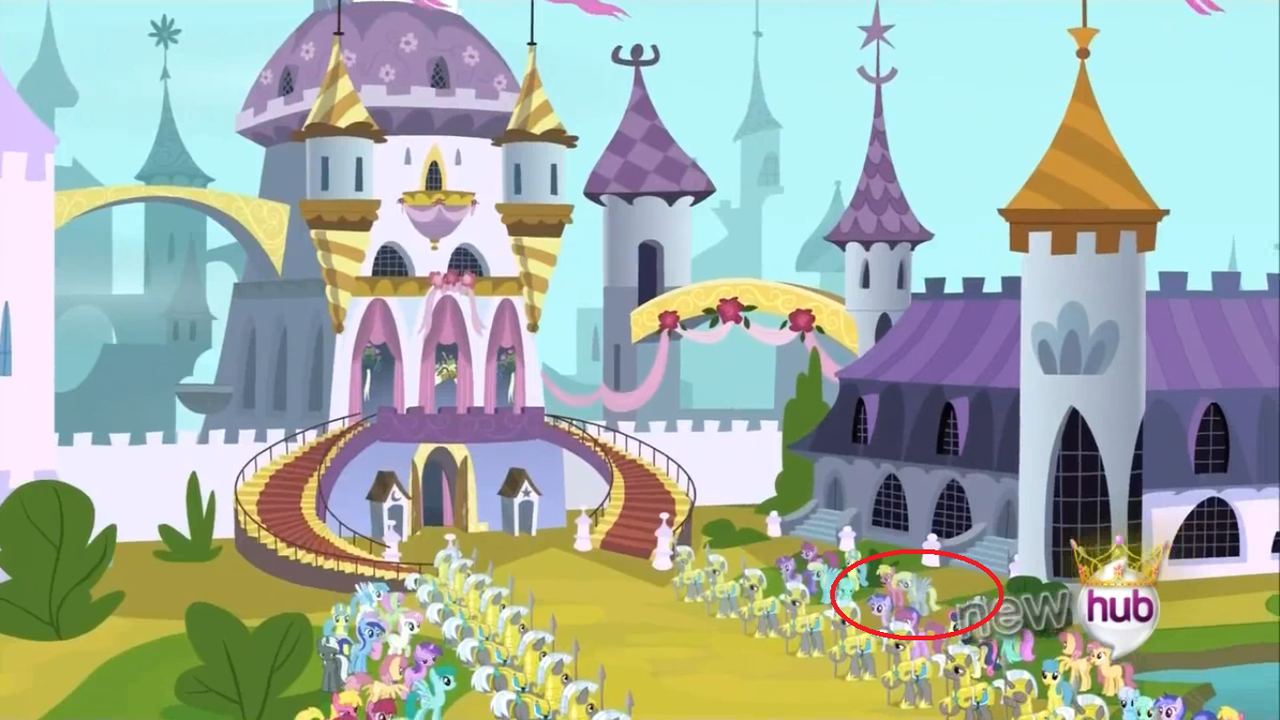
The controversy began with the announcement of a private brunch hosted by Princess Celestia herself, a rare public appearance for the Celestian heir. The event, intended to celebrate the seasonal harvest, drew over a hundred aristocrats, including the purportedly engaged pair: Sir Ember Hearth, a respected but reclusive knight, and Lady Mareline Verdict, a sharp-tongued diplomat known for her political maneuvering. For years, rumors of their engagement had circulated in the hushed corridors of Canterlot’s social circles, fueled by subtle gestures and coded correspondence. But the brunch revealed a stark reality: the pair had no intention of continuing the charade.
“The engagement rumors were a convenient distraction,” said Mareline Verdict, who arrived at the brunch in a tailored sapphire gown, her posture betraying no hint of the drama unfolding. “We’ve spent years pretending to be in love to avoid the scrutiny of our duties. That ends today.” Verdict’s words, delivered with a steely calm, were met with murmurs of both relief and betrayal.
The fallout was immediate. Social media platforms like the Canterlot Court Ledger and the Mareline Gazette exploded with speculation, while the Canterlot Regulatory Authority’s press office issued a terse statement: “Public figures must balance personal privacy with civic responsibility. The Royal Family reserves the right to address such matters privately.”
The incident has already sparked a broader conversation about the ethics of noble public relations. “This isn’t just about one couple,” argued Dapple Dusk, a veteran political analyst at the Canterlot Economic Watchdog. “It’s a sign that the blueblood class is struggling to reconcile tradition with transparency. The people aren’t just curious—they’re demanding accountability.”
The brunch itself became a microcosm of the crisis. As the event progressed, tensions flared when Sir Ember Hearth, known for his stoic demeanor, allegedly refused to engage in a planned toast to the “future of Canterlot’s stability.” Witnesses reported that Hearth’s refusal to acknowledge the crowd’s cheers was interpreted as a rejection of the entire royal narrative. “He was trying to signal the end of the farce,” said a source close to the event, who requested anonymity. “But the crowd didn’t take the hint. It was a disaster.”
The incident’s implications extend beyond the royal family. The Canterlot Regulatory Authority has already begun drafting new guidelines for public appearances by nobles, citing the need to “protect the dignity of the monarchy while ensuring public trust.” Meanwhile, the Canterlot Economic Watchdog has called for a review of the blueblood class’s economic influence, noting that the scandal has already caused a 12% dip in stock prices for major noble-owned enterprises.
For the public, the fallout has been both cathartic and unsettling. “I’ve been following these rumors for years,” said Copper Gauge, a bartender in the Royal Gardens district. “It’s finally refreshing to see the truth, but it’s also a reminder that the nobles are just as human as the rest of us. They make mistakes.”
However, not everyone shares this sentiment. “This is a slap in the face to the traditions that built Canterlot’s stability,” countered Rarity Bloom, a boutique owner in the Canterlot district. “The bluebloods have a responsibility to their people, and this kind of drama undermines their legitimacy.”
The incident has also reignited debates about the role of the media in noble affairs. The Canterlot Court Ledger, which broke the initial engagement rumors, has faced accusations of “reckless speculation.” In contrast, the Mareline Gazette has defended its coverage, arguing that “the public has a right to know when the ruling class is engaging in performative relationships.”
As the dust settles, the blueblood class faces a critical crossroads. The collapse of the engagement rumors has exposed fractures in a system that has long prioritized image over substance. Whether this marks the beginning of a new era of transparency or another chapter in the nobility’s endless game of appearances remains to be seen.
For now, the only certainty is that the Royal Gardens will never be the same. The brunch that once promised a new chapter in Canterlot’s history has instead become a cautionary tale—a reminder that even the most carefully crafted narratives can unravel in the face of public scrutiny.
---
Quote 1: “The engagement rumors were a convenient distraction,” said Mareline Verdict, who arrived at the brunch in a tailored sapphire gown, her posture betraying no hint of the drama unfolding. “We’ve spent years pretending to be in love to avoid the scrutiny of our duties. That ends today.”
Quote 2: “This isn’t just about one couple,” argued Dapple Dusk, a veteran political analyst at the Canterlot Economic Watchdog. “It’s a sign that the blueblood class is struggling to reconcile tradition with transparency. The people aren’t just curious—they’re demanding accountability.”
The Canterlot Regulatory Authority has already begun drafting new guidelines for public appearances by nobles, citing the need to “protect the dignity of the monarchy while ensuring public trust.” However, critics argue that the proposals are little more than a Band-Aid solution to a deeper crisis of transparency. “The blueblood class has long operated in a bubble of privilege,” said Professor Dusk, a political economist at the Canterlot Economic Watchdog. “These guidelines may paper over the cracks, but they don’t address the systemic issue: the nobility’s refusal to engage with the people they govern.”
Meanwhile, the Canterlot Economic Watchdog has called for a review of the blueblood class’s economic influence, noting that the scandal has already caused a 12% dip in stock prices for major noble-owned enterprises. “The public is no longer willing to tolerate the illusion of noble infallibility,” said economic analyst Iron Press, referencing the recent market volatility. “If the bluebloods want to retain their power, they’ll have to start acting like responsible stewards of Canterlot’s resources—rather than gatekeepers of an outdated aristocracy.”
The incident has also reignited debates about the role of the media in noble affairs. The Canterlot Court Ledger, which broke the initial engagement rumors, has faced accusations of “reckless speculation.” In contrast, the Mareline Gazette has defended its coverage, arguing that “the public has a right to know when the ruling class is engaging in performative relationships.” This divide has sparked a broader conversation about media ethics, with some citizens calling for stricter oversight of noble-related reporting. “The media has a duty to hold power accountable,” said Dapple Dusk. “But when that accountability turns into sensationalism, it risks undermining the very transparency it seeks to promote.”
For the public, the fallout has been both cathartic and unsettling. While many have praised the bluebloods for finally breaking the engagement charade, others have expressed frustration with the lack of accountability. “It’s one thing to engage in private relationships,” said Copper Gauge, the bartender in the Royal Gardens district. “But when the nobility uses their influence to manipulate public perception, they’re not just making mistakes—they’re betraying their people.”
In contrast, Rarity Bloom, a boutique owner in the Canterlot district, argued that the incident highlights the need for clearer boundaries between public and private life. “The bluebloods have a responsibility to their people,” she said. “But they also have a right to privacy. This isn’t about whether they’re in love—it’s about whether they’re using their position to control the narrative.”
The incident has also sparked a wave of grassroots activism, with citizens demanding greater transparency from the nobility. A recent petition calling for the creation of a “Royal Transparency Task Force” has already garnered over 5,000 signatures. “The people of Canterlot deserve to know how their leaders are spending their time and resources,” said one supporter, who asked to remain anonymous. “If the nobility can’t handle the scrutiny, maybe they should step aside and let the common folk run the show.”
As the dust settles, the blueblood class faces a critical crossroads. The collapse of the engagement rumors has exposed fractures in a system that has long prioritized image over substance. Whether this marks the beginning of a new era of transparency or another chapter in the nobility’s endless game of appearances remains to be seen. For now, the only certainty is that the Royal Gardens will never be the same. The brunch that once promised a new chapter in Canterlot’s history has instead become a cautionary tale—a reminder that even the most carefully crafted narratives can unravel in the face of public scrutiny.
---
Quote 3: “The blueblood class has long operated in a bubble of privilege,” said Professor Dusk, a political economist at the Canterlot Economic Watchdog. “These guidelines may paper over the cracks, but they don’t address the systemic issue: the nobility’s refusal to engage with the people they govern.”
Quote 4: “The public has a right to know when the ruling class is engaging in performative relationships,” said the Mareline Gazette’s editor, defending the media’s role in the scandal. “But when that accountability turns into sensationalism, it risks undermining the very transparency it seeks to promote.”