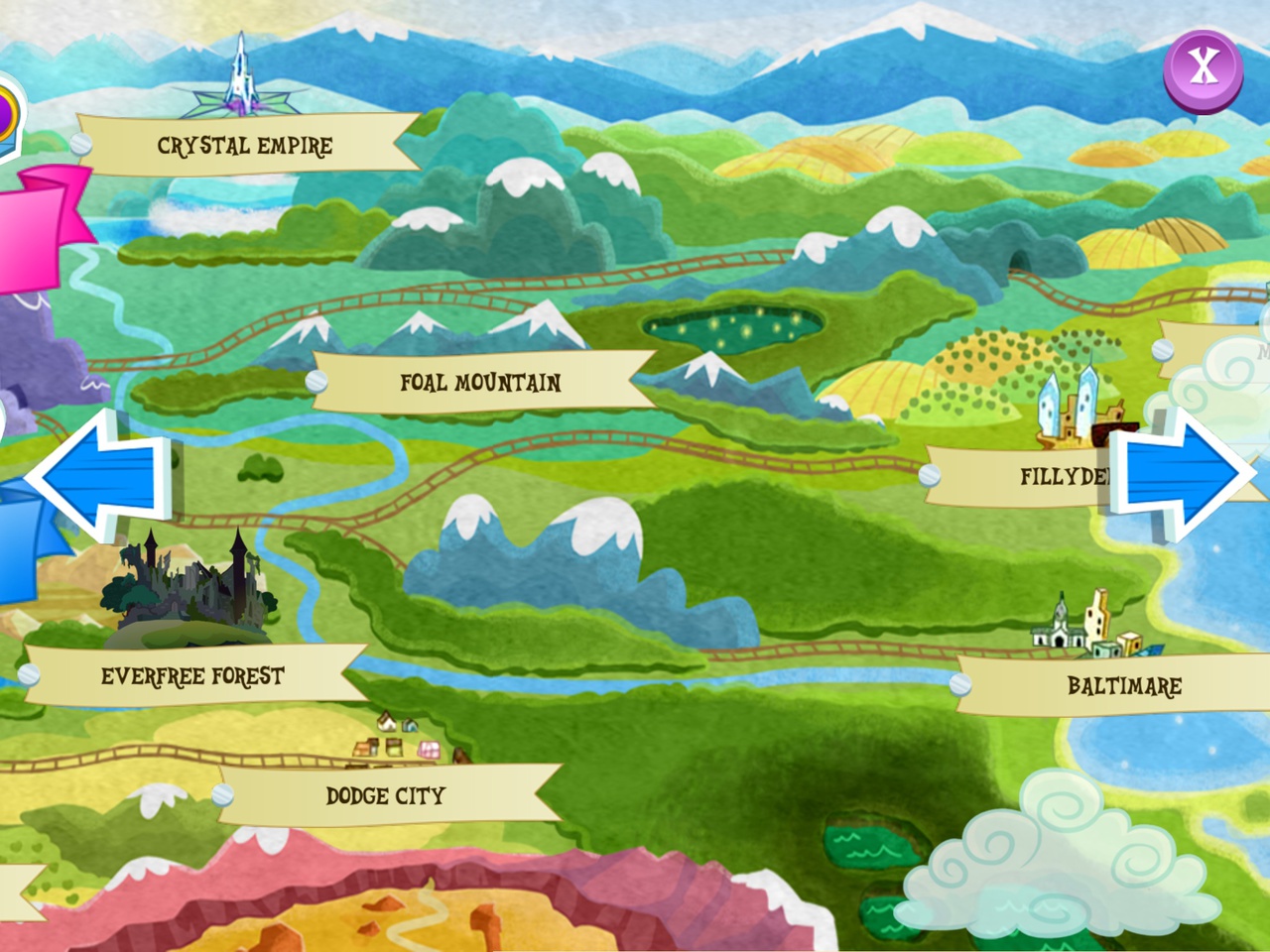
Baltimare’s underground music scene is growing louder, its beats echoing through the Hollow Echo District’s neon-lit alleyways and the Neon Vein Club’s spell-infused sound systems. As mainstream Equestrian pop culture—dominated by Canterlot’s polished, commercially driven acts—clings to its polished veneer, a new generation of artists is rejecting the status quo, wielding raw emotion, experimental soundscapes, and arcane technology to redefine what music can be.
The movement, rooted in the city’s marginalized neighborhoods, has sparked both fascination and alarm. While Canterlot’s music industry celebrates algorithm-optimized hits and polished vocals, Baltimare’s underground scene thrives on imperfection, improvisation, and the fusion of magic with sound. From enchanted drums that pulse with the listener’s heartbeat to spell-crafted guitars that hum with primal energy, these artists are pushing Equestria’s musical boundaries—and provoking a cultural reckoning.
“We’re not just making music; we’re rewriting the rules.”
Luna Mire, a 23-year-old DJ and co-founder of the avant-garde collective Echo Dissonance, described the scene’s ethos in a recent interview. “Canterlot’s pop stars are all about the perfect chord, the flawless performance. But here? We’re embracing the glitch, the distortion, the magic that can’t be quantified. Our sound isn’t a product—it’s a rebellion.”
Mire’s words resonate with fans in Baltimare’s lower districts, where the underground scene has become a haven for disenfranchised youth. The Neon Vein Club, a converted warehouse powered by enchanted generators, hosts weekly showcases where artists like Neon Pulse—a pegasus who blends storm-charged synths with spoken-word poetry—and Dusty Verdict, a earth pony whose basslines are said to vibrate with subterranean resonance—draw crowds eager for something different.
Yet the rise of this movement has not gone unnoticed. Canterlot’s Ministry of Culture and Arts has recently tightened regulations on “unverified magical enhancements” in music production, citing concerns over safety and intellectual property. Meanwhile, major labels have dismissed the underground as a “faddish niche,” though some analysts argue the scene’s popularity signals a deeper cultural shift.
“This isn’t just about music—it’s about who gets to shape Equestria’s cultural narrative.”
Echo Vane, a former Canterlot pop star turned critic, analyzed the trend in a recent editorial. “The mainstream industry has become a machine, churning out the same polished tracks for decades. The underground is a crack in that machine, and it’s letting in air, noise, and ideas that Canterlot’s executives don’t want to hear.”
Vane’s critique echoes concerns from within the underground itself. While many artists embrace the chaos, others warn of the risks. “There’s a lot of talent here, but the magic in our gear isn’t foolproof,” said Sable Nightshade, a sound engineer who works with Echo Dissonance. “A misaligned spell can fry a speaker, or worse—mess with a listener’s mind. We’re playing with forces we don’t fully understand.”
The scene’s reliance on arcane technology has also drawn scrutiny. Unlike traditional music production, which depends on physical instruments and digital tools, Baltimare’s underground artists often use enchanted devices—some of which are rumored to be built using stolen or unlicensed magic. Last month, a raid on a clandestine workshop uncovered over 200 spell-infused instruments, sparking debates about the ethics of magical innovation in art.
“Art should be free, but freedom has its limits,” said Rarity Bloom, a Canterlot-based ethics consultant who has studied the underground’s rise. “These artists are pushing boundaries, but they’re also creating new risks. The question is: who gets to decide what’s acceptable?”
Despite the controversies, the underground scene continues to grow. Last week, a collaboration between Neon Pulse and the experimental synth duo Crimson Chord—a pair of unicorns known for their ability to manipulate sound waves—drew over 500 attendees to the Neon Vein Club, proving that the movement’s appeal extends beyond Baltimare’s borders.
For now, the mainstream industry remains unshaken. Canterlot’s pop stars continue to dominate charts, and their polished, algorithm-driven hits remain the standard for commercial success. But as the underground scene gains momentum, its influence on Equestria’s cultural landscape is undeniable.
“The question isn’t whether this movement will succeed,” said Mire. “It’s whether the mainstream will listen—and if it can’t, how long before the noise becomes a roar.”
As the echoes of Baltimare’s underground music reverberate through Equestria, one thing is clear: the battle for cultural dominance is far from over. Whether this movement will reshape the industry or fade into obscurity remains an open question—one that will be answered not by the polished halls of Canterlot, but by the unfiltered, magical pulse of the streets.