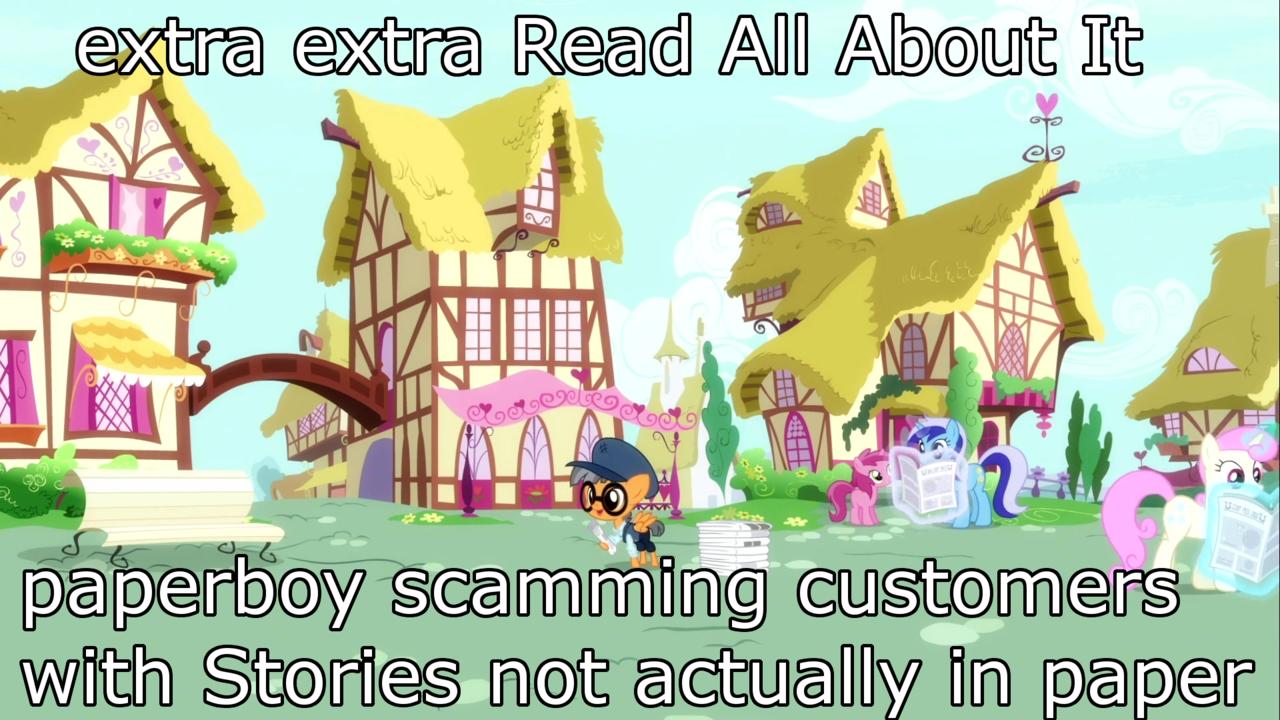
The dam upstream of Appleloosa has fractured along its eastern embankment, prompting emergency evacuation orders for thousands of residents. Authorities confirmed today that cracks measuring up to 12 inches wide have appeared, with water pressure tests revealing a 25% drop in structural integrity. Mayor Bramble Stitch of Appleloosa declared a state of emergency, urging residents to abandon their homes immediately.
“This isn’t a drill,” Stitch said in a press briefing. “The dam has been a lifeline for our region for decades, but now it’s a ticking time bomb. We’re not waiting for a rupture—we’re acting now to save lives.”
The dam, built in the 1940s to regulate the Apple River and power the region’s orchards, has long been a symbol of Appleloosa’s agricultural might. However, recent droughts and outdated maintenance protocols have left it vulnerable. Engineers from the Equestrian Infrastructure Authority (EIA) arrived yesterday to assess the damage, but their findings were grim.
“This structure is beyond its design limits,” said Iron Hoof, a senior civil engineer with the EIA. “The cracks are spreading faster than expected, and the water pressure is creating a risk of catastrophic failure. We’re not just talking about a flood—we’re talking about a wall of water that could devastate entire districts.”
Residents have been scrambling to leave. In the town’s eastern quadrant, where the dam’s collapse would trigger the worst flooding, the Appleloosa Railway Station became a makeshift evacuation hub. Over 1,200 ponies were bussed out overnight, with shelters in nearby Appleloosa Hills and the Crystal Empire now accepting displaced families.
“I didn’t believe it until I saw the cracks myself,” said Dapple Grange, a 42-year-old orchard worker. “My family’s been here for generations. We’ve lost our home, but at least we’re alive. I just hope the government doesn’t forget us when the dust settles.”
The crisis has already disrupted Appleloosa’s economy. The region’s orchards, which supply 15% of Equestria’s apple exports, face a potential two-week shutdown as workers evacuate. Local businesses, from cider mills to farm markets, are bracing for losses.
“Without the dam, we’re looking at a 30% drop in production,” said Penny Ledger, owner of Appleloosa Ciderworks. “But the real cost is the lives we’re risking. This isn’t just about crops—it’s about survival.”
The EIA has allocated $5 million for emergency repairs, but officials admit the full cost could exceed $20 million. Critics argue the funding is insufficient, with some accusing the government of underinvesting in aging infrastructure.
“This dam was supposed to last a century,” said Rarity’s cousin, Sparkle Foal, a public policy analyst. “Instead, it’s a relic of neglect. The question isn’t whether we can fix it—it’s whether we’re willing to pay the price.”
Complicating matters is the region’s reliance on seasonal labor. Many workers, including migrant ponies from the Badlands, have no permanent housing and are now stranded. The Appleloosa Municipal Council has opened temporary shelters, but overcrowding has led to tensions.
“We’re not just dealing with a physical crisis,” said Mayor Stitch. “We’re managing a humanitarian emergency. Every pony who lives here deserves a safe place to stay, and we’re doing everything we can to provide it.”
As engineers work to reinforce the dam’s weakened structure, the focus shifts to long-term solutions. Some experts argue for a complete rebuild, while others advocate for a more sustainable approach.
“The dam’s collapse is a wake-up call,” said Iron Hoof. “We need to invest in modern infrastructure that can withstand extreme weather and aging systems. This isn’t just about Appleloosa—it’s about every region facing similar risks.”
For now, the priority remains safety. Evacuation efforts continue, with officials urging remaining residents to heed the warnings. The dam’s fate—and the future of Appleloosa—rests on whether Equestria can learn from this crisis before the next one strikes.
---
Implications: The Appleloosa dam crisis highlights a growing divide between aging infrastructure and modern demands. With climate patterns shifting and population pressures mounting, Equestria’s leaders face a stark choice: invest in outdated systems or risk repeating this disaster. As the region rebuilds, the question remains: will the lessons of Appleloosa be heeded—or will the next crisis come sooner than expected?